
🇧🇭 NHRA
Pharmacy Bahrain
Pharmacists preparing for GCC licensing exams
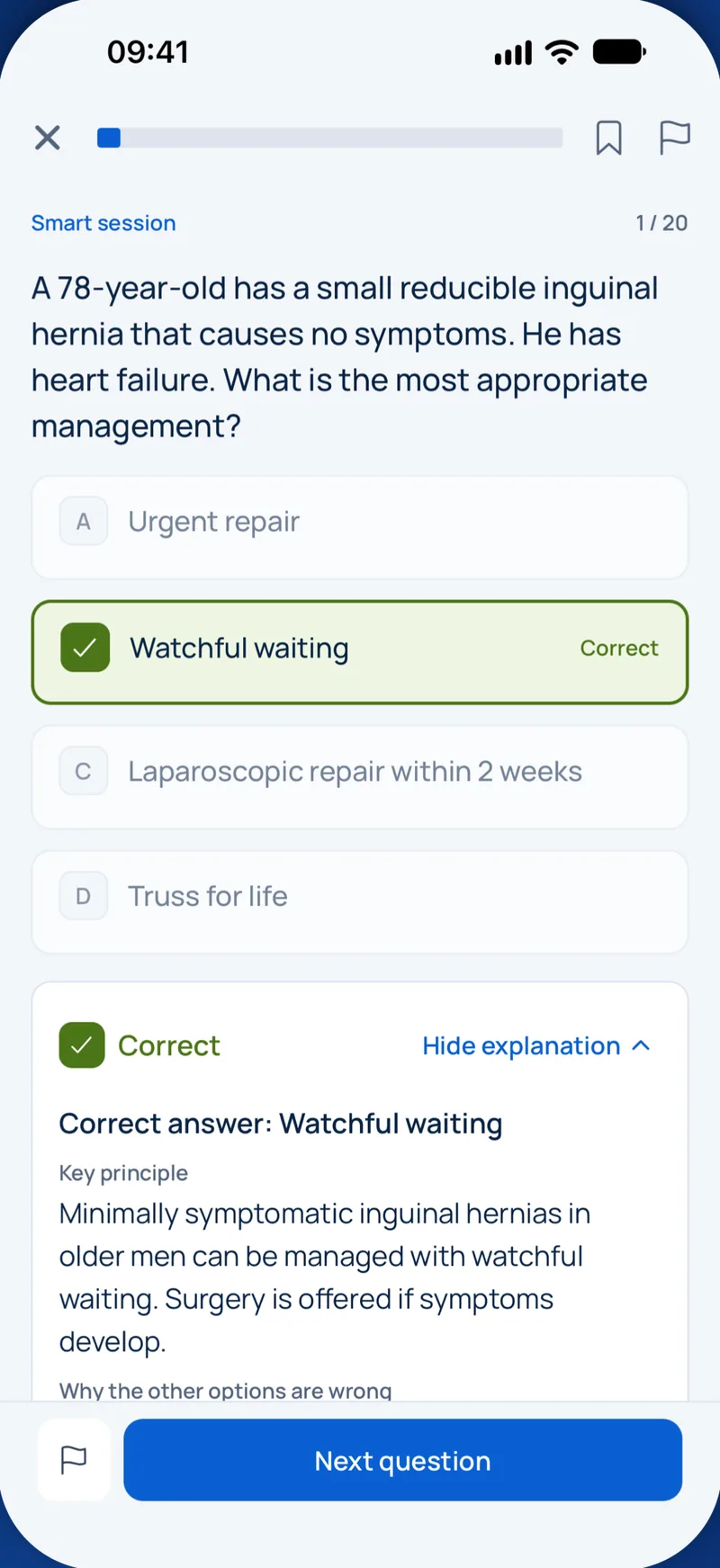
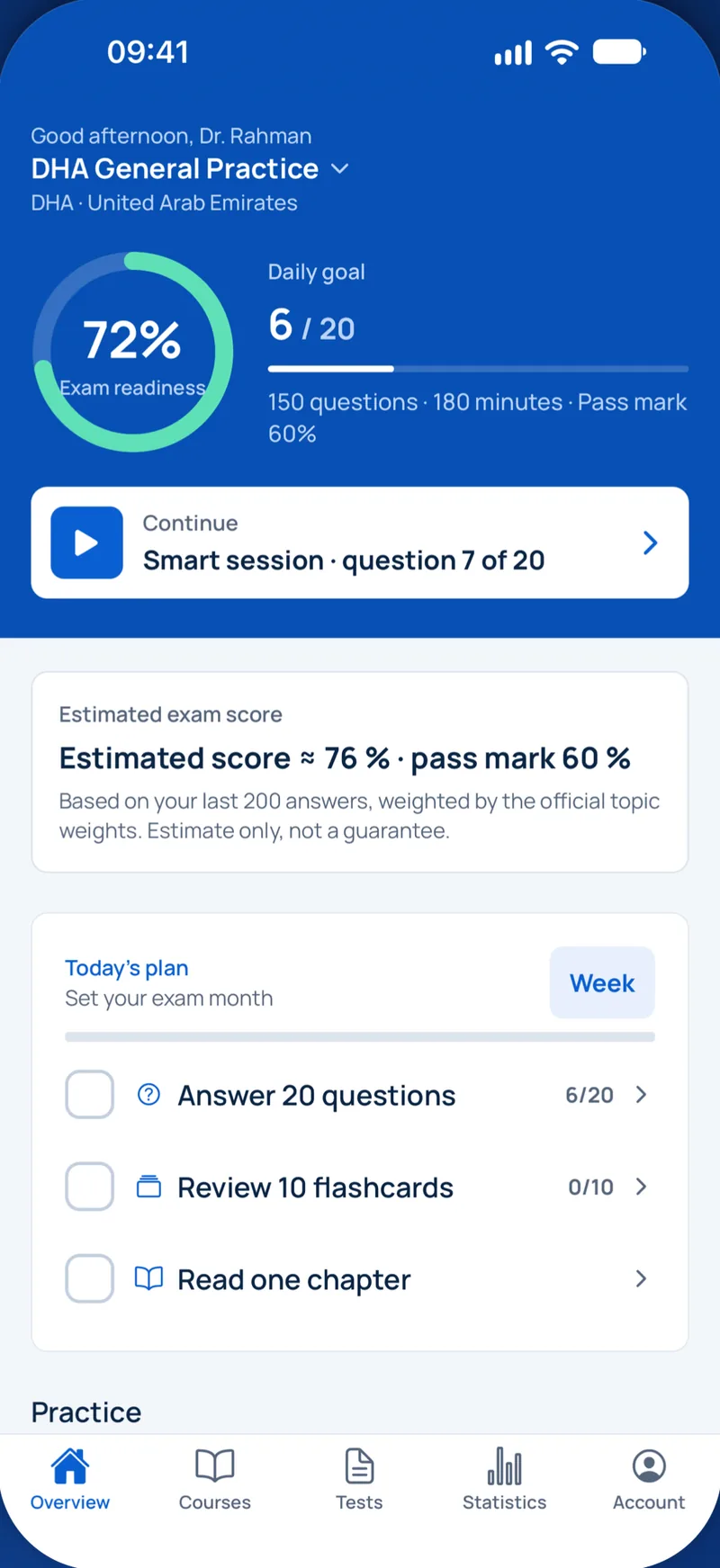
Domanda di esempio
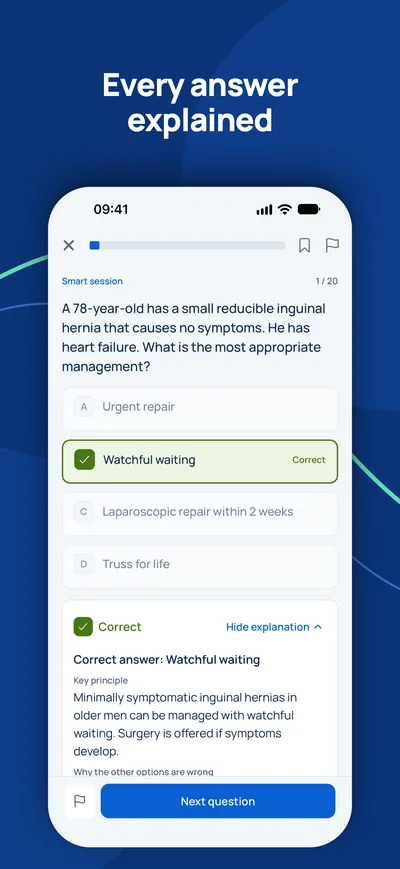
A drug has a half-life of 6 hours and is given regularly. After approximately how long will steady state be reached?
Keys: 1–5 or A–E to choose, Enter to check and continue, F to mark.
Original MediFlow content, not official exam questions. Medical review in progress.
Syllabus and high-yield notes
1. Pharmacokinetics · 9 % peso nell’esame · 4 lessons+
- The loading dose depends on the volume of distribution (LD = Vd × Ctarget / (S × F)); the maintenance dose rate depends on clearance (MD rate = CL × Css / (S × F)). In renal failure the loading dose is usually unchanged while the maintenance dose is reduced or given less often.
- Half-life = 0.693 × Vd / CL, so it changes when either Vd or CL changes. Steady state, and practically complete elimination after stopping, take about 4–5 half-lives regardless of the dose; only a loading dose reaches the target concentration faster.
- First-order kinetics: a constant fraction is eliminated per unit time and half-life is constant. Saturable (Michaelis–Menten) kinetics, as with phenytoin, ethanol and high-dose salicylates, approach zero-order elimination, so small dose increases cause disproportionate rises in concentration.
- Absolute bioavailability F = (AUCoral / Doseoral) / (AUCiv / Doseiv). Two products are bioequivalent when the 90% confidence interval of the test/reference geometric mean ratio for AUC and Cmax lies within 80.00–125.00%.
- Vancomycin (2020 ASHP/IDSA/PIDS/SIDP consensus): for serious MRSA infections target an AUC24 of 400–600 mg·h/L (assuming MIC 1 mg/L), ideally with Bayesian software; trough-only monitoring at 15–20 mg/L is no longer recommended because it increases nephrotoxicity.
- Aminoglycosides show concentration-dependent killing. With conventional dosing, a high trough means the interval should be extended and a low peak means the dose should be increased; with extended-interval dosing (e.g., gentamicin 7 mg/kg) a single random level is plotted on the Hartford nomogram.
- Digoxin levels must be drawn at least 6 hours after a dose because of its long distribution phase; in heart failure the target is 0.5–0.9 ng/mL (about 0.6–1.2 nmol/L). Hypokalaemia, hypomagnesaemia, hypercalcaemia and renal impairment increase toxicity.
- Phenytoin total range is 10–20 mg/L (40–80 µmol/L). In hypoalbuminaemia correct with Sheiner–Tozer, Ccorrected = Cmeasured / (0.2 × albumin [g/dL] + 0.1), or measure the free level (1–2 mg/L). Lithium is sampled 12 hours after the dose, with a usual maintenance target of 0.6–0.8 mmol/L.
- Cockcroft–Gault: CrCl (mL/min) = (140 − age) × weight (kg) / (72 × SCr [mg/dL]), multiplied by 0.85 for women; with SCr in µmol/L use (140 − age) × weight × 1.23 (men) or 1.04 (women) / SCr. In marked obesity many references use adjusted body weight = IBW + 0.4 × (TBW − IBW).
- In liver disease, high-extraction drugs (morphine, propranolol, lidocaine, verapamil) show reduced first-pass metabolism and flow-dependent clearance, so oral doses must be lowered. There is no hepatic equivalent of creatinine clearance; the Child–Pugh class guides dose reduction.
- Core pharmacokinetic parameters: Vd, clearance, half-life and bioavailability – Pharmacokinetics (PK) describes what the body does to a drug: absorption, distribution, metabolism and excretion. For dosing questions you only need a small set of parameters. If you understand what each one means physically, almost every exam calculation becomes simple arithmetic. This chapter defines them, links them together and shows why they matter at the bedside.
- Dosing calculations: loading dose, maintenance dose, steady state and decay – Most exam calculations use four equations. Learn what goes into each, write down units every time, and check the answer for plausibility. The salt factor S and bioavailability F are the details that most often cost marks.
- Therapeutic drug monitoring: aminoglycosides, vancomycin, digoxin, lithium, phenytoin, theophylline – Therapeutic drug monitoring (TDM) means measuring drug levels to adjust doses for drugs with a narrow therapeutic index, large variability between patients and a clear concentration–effect relationship. The two most important rules: sample at the right time, and interpret the level together with the patient, not alone.
- Special populations: renal and hepatic impairment, obesity, older people and bioequivalence – Doses from the product information assume a typical adult with normal organs. This chapter covers how to adjust for kidney function, liver disease, body size and age, and how generic products are shown to be interchangeable.
2. Drug interactions & adverse effects · 8 % peso nell’esame · 4 lessons+
- Strong CYP3A4 inhibitors include clarithromycin, itraconazole, ketoconazole, voriconazole, posaconazole, ritonavir and cobicistat; grapefruit juice inhibits intestinal CYP3A4. Strong inducers include rifampicin, carbamazepine, phenytoin, phenobarbital and St John's wort. Inhibition acts within days, whereas induction takes 1–2 weeks to develop and to wear off.
- Warfarin: the potent S-enantiomer is cleared by CYP2C9. Metronidazole, fluconazole, co-trimoxazole and amiodarone raise the INR; rifampicin and carbamazepine lower it. Check the INR within 3–5 days of starting or stopping an interacting drug and advise a consistent vitamin K intake.
- Statins: simvastatin and lovastatin are contraindicated with strong CYP3A4 inhibitors (and gemfibrozil, ciclosporin); simvastatin is limited to 10 mg with verapamil or diltiazem and 20 mg with amlodipine, amiodarone or ranolazine. Pravastatin and rosuvastatin depend little on CYP3A4.
- QT-prolongation risk is additive: macrolides, fluoroquinolones, methadone, citalopram/escitalopram, haloperidol, ondansetron and class IA/III antiarrhythmics, plus hypokalaemia, hypomagnesaemia, bradycardia, female sex and structural heart disease. A QTc above 500 ms or an increase above 60 ms marks high risk of torsades de pointes.
- Serotonin syndrome develops within hours: clonus (inducible, spontaneous or ocular), agitation, diaphoresis, tremor, hyperreflexia and hyperthermia (Hunter criteria). Typical causes are SSRIs/SNRIs combined with MAOIs, linezolid, methylene blue, tramadol, pethidine or fentanyl. Treatment: stop serotonergic drugs, benzodiazepines, cooling and cyproheptadine.
- Renal and potassium combinations: the 'triple whammy' (ACE inhibitor or ARB + diuretic + NSAID) causes acute kidney injury; ACE inhibitor/ARB + MRA + trimethoprim or potassium supplements causes hyperkalaemia; aminoglycosides with vancomycin, amphotericin B or loop diuretics add nephrotoxicity and ototoxicity.
- Pharmacodynamic interactions need no change in drug levels: PDE5 inhibitor + nitrate (profound hypotension), opioid + benzodiazepine or gabapentinoid (respiratory depression), NSAID + anticoagulant + SSRI (bleeding), and several anticholinergic drugs together (delirium, urinary retention).
- Food–drug interactions: tyramine with irreversible MAOIs (hypertensive crisis); grapefruit with oral CYP3A4 substrates such as felodipine or simvastatin; calcium, iron, magnesium and dairy chelate tetracyclines, fluoroquinolones, levothyroxine and bisphosphonates; continuous enteral feeds reduce phenytoin absorption.
- ADR classification (Rawlins–Thompson, extended): A augmented (dose-related), B bizarre (immunological or idiosyncratic), C chronic, D delayed, E end of use (withdrawal), F failure of therapy. Causality is assessed with the Naranjo algorithm or the WHO-UMC system.
- A serious ADR results in death, is life-threatening, requires or prolongs hospitalisation, causes persistent disability or a congenital anomaly, or is otherwise medically important. Serious, unexpected reactions and reactions to newly marketed medicines are the priority for reporting to the national pharmacovigilance centre, such as the SFDA in Saudi Arabia.
- How drug interactions happen: CYP enzymes, transporters and absorption – A drug interaction is a change in the effect of one drug caused by another drug, food, herb or disease. Pharmacokinetic interactions change how much drug reaches its site of action; pharmacodynamic interactions change the response at the same concentration. Pharmacokinetic interactions are the most testable, because they follow a few predictable rules about enzymes and transporters.
- High-risk interaction pairs every pharmacist must know – Some interactions are responsible for a large share of interaction-related harm. They involve narrow therapeutic index drugs (warfarin, lithium, digoxin, methotrexate, immunosuppressants, antiepileptics) or additive pharmacodynamic toxicity. Learn the mechanism and the practical management for each, because exam options usually differ in the management step.
- Pharmacodynamic interactions: QT prolongation, serotonin syndrome and hypertensive crisis – Pharmacodynamic interactions occur when two drugs act on the same system, either at the same receptor or through additive physiological effects. Concentrations may be unchanged, so drug levels do not warn you. The three most tested are QT prolongation, serotonin toxicity and MAOI hypertensive reactions.
- Adverse drug reactions: classification, causality assessment and reporting – An adverse drug reaction (ADR) is a harmful, unintended response to a medicine at normal doses (the WHO definition); the EU definition also includes errors, misuse and off-label use. Pharmacists are expected to classify reactions, judge whether the drug caused them, decide which ones to report and prevent repeats.
3. Anti-infectives · 7 % peso nell’esame · 4 lessons+
- Mechanisms: β-lactams bind penicillin-binding proteins and glycopeptides bind D-Ala-D-Ala (cell wall); aminoglycosides and tetracyclines act on the 30S ribosome; macrolides, clindamycin and linezolid on the 50S ribosome; fluoroquinolones inhibit DNA gyrase and topoisomerase IV; sulfonamides and trimethoprim block folate synthesis; daptomycin and polymyxins damage the cell membrane.
- PK/PD drivers: β-lactams are time-dependent (time above MIC, so prolonged or continuous infusions help); aminoglycosides and fluoroquinolones are concentration-dependent (Cmax/MIC, AUC/MIC); vancomycin efficacy correlates with AUC/MIC.
- β-Lactam allergy: most penicillin labels are not true allergy. Cross-reactivity is driven mainly by similar R1 side chains; cephalosporins with dissimilar side chains (e.g., cefazolin) can usually be given without testing after non-anaphylactic penicillin reactions, carbapenem cross-reactivity is below 1%, and aztreonam cross-reacts only with ceftazidime (identical side chain).
- C. difficile: highest risk with clindamycin, fluoroquinolones, third- and fourth-generation cephalosporins and carbapenems. First episode: fidaxomicin 200 mg twice daily for 10 days (preferred) or oral vancomycin 125 mg four times daily for 10 days; fulminant disease: oral or nasogastric vancomycin 500 mg four times daily plus intravenous metronidazole. Stop the inciting antibiotic and review PPIs.
- Key adverse effects: aminoglycosides (nephrotoxicity, ototoxicity), vancomycin (AKI, infusion-related flushing), fluoroquinolones (tendinopathy, QT prolongation, aortic aneurysm, dysglycaemia, CNS effects), linezolid (myelosuppression after about 2 weeks, serotonin syndrome, lactic acidosis), tetracyclines (tooth staining under 8 years, photosensitivity), nitrofurantoin (avoid if CrCl below 30 mL/min; pulmonary and hepatic toxicity), co-trimoxazole (hyperkalaemia, SJS).
- Antifungals: fluconazole covers most Candida but not C. krusei and is unreliable for C. glabrata, with no mould activity; echinocandins are first-line for candidaemia; voriconazole is first-line for invasive aspergillosis (TDM, visual disturbances, many CYP interactions); amphotericin B causes nephrotoxicity, hypokalaemia and hypomagnesaemia (lipid formulations less).
- Antivirals: WHO-preferred first-line HIV therapy is tenofovir + lamivudine + dolutegravir; test HLA-B*57:01 before abacavir; separate dolutegravir from polyvalent cations. Hepatitis C: pangenotypic sofosbuvir–velpatasvir (12 weeks) or glecaprevir–pibrentasvir (8 weeks), screen for HBV first. Hepatitis B: tenofovir or entecavir. Influenza: oseltamivir 75 mg twice daily for 5 days.
- Tuberculosis: standard therapy 2HRZE/4HR. Isoniazid causes hepatitis and peripheral neuropathy (give pyridoxine), rifampicin causes orange body fluids and potent enzyme induction, pyrazinamide causes hepatotoxicity and hyperuricaemia, ethambutol causes optic neuritis (check visual acuity and red–green vision). Latent TB: 3HP, 4R, 3HR or 6–9H.
- Malaria: uncomplicated P. falciparum is treated with an artemisinin-based combination such as artemether–lumefantrine; severe malaria with intravenous artesunate. P. vivax and P. ovale need radical cure with primaquine or tafenoquine after G6PD testing (not in pregnancy). Prophylaxis options include atovaquone–proguanil, doxycycline and mefloquine (avoid with psychiatric illness or epilepsy).
- Antimicrobial stewardship: take cultures before antibiotics, review and de-escalate at 48–72 hours, switch intravenous to oral therapy once the patient is stable and can absorb, use the shortest effective duration, and do not treat asymptomatic bacteriuria except in pregnancy or before urological procedures.
- Antibacterial basics: mechanisms, spectrum and beta-lactam allergy – Choosing an antibiotic means matching the likely organism, the site of infection and the patient. Knowing the mechanism of each class explains its spectrum, its resistance patterns and many of its adverse effects. This chapter builds that framework and then deals with the most common practical problem: the patient labelled penicillin-allergic.
- Common infections: urinary tract, pneumonia, MRSA and C. difficile – This chapter applies the basics to the infections pharmacists see daily. In each case think: the likely organisms, local resistance, the site (does the drug reach it?), patient factors (renal function, allergy, pregnancy, interactions) and duration.
- Antifungals, tuberculosis and antimalarials – These three areas are heavily tested because the drugs have distinctive toxicities and interactions. Learn each drug's key target, main adverse effect and one monitoring rule.
- Antivirals: influenza, herpes viruses, HIV and hepatitis B and C – Antiviral therapy is a fast-moving field, but exam questions focus on stable principles: who should receive influenza treatment, renal dosing, screening tests before starting therapy, and absorption interactions with cations.
4. Cardiovascular pharmacotherapy · 7 % peso nell’esame · 4 lessons+
- HFrEF has four medication pillars: ARNI (or ACE inhibitor/ARB), an evidence-based β-blocker (bisoprolol, carvedilol, metoprolol succinate), an MRA and an SGLT2 inhibitor. Start low, titrate to target doses, and check potassium and creatinine 1–2 weeks after starting or changing RAAS inhibitors or MRAs.
- Avoid in HFrEF: non-dihydropyridine calcium-channel blockers (diltiazem, verapamil), NSAIDs, thiazolidinediones, class IC antiarrhythmics and dronedarone. Ivabradine is added only in sinus rhythm with a resting heart rate of 70/min or more despite a maximally tolerated β-blocker.
- Hypertension: first-line classes are thiazide-type diuretics, ACE inhibitors or ARBs and dihydropyridine calcium-channel blockers; most adults target below 130/80 mmHg. Current AHA/ACC (2025) and ESC (2024) guidance favours starting stage 2 or confirmed hypertension with a two-drug single-pill combination. Never combine an ACE inhibitor with an ARB; in pregnancy use labetalol, nifedipine or methyldopa.
- Atrial fibrillation: the 2024 ESC guideline uses CHA2DS2-VA (sex no longer scored); anticoagulation is recommended at 2 or more and should be considered at 1. DOACs are preferred over warfarin except with mechanical heart valves or moderate-to-severe mitral stenosis, and each DOAC has its own dose-reduction criteria.
- Warfarin: usual INR target 2.0–3.0 (mechanical mitral valve 2.5–3.5). INR 4.5–10 without bleeding: withhold doses, no routine vitamin K; INR above 10 without bleeding: oral vitamin K; major bleeding: four-factor PCC plus intravenous vitamin K 5–10 mg.
- Heparins: unfractionated heparin is monitored by aPTT or anti-Xa and reversed with protamine (1 mg per 100 units given in the last 2–3 hours). LMWH needs anti-Xa monitoring in severe renal impairment, extreme body weight and pregnancy; enoxaparin treatment dose is 1 mg/kg once daily if CrCl is below 30 mL/min. HIT typically appears after 5–10 days.
- Antiplatelets: after ACS, dual antiplatelet therapy usually lasts 12 months (shorter with high bleeding risk). Prasugrel is contraindicated after stroke or TIA and generally avoided at age 75 or more; ticagrelor causes dyspnoea and requires aspirin of no more than 100 mg/day; clopidogrel needs CYP2C19 activation.
- Lipids: after ACS or with established ASCVD use a high-intensity statin (atorvastatin 40–80 mg, rosuvastatin 20–40 mg), then add ezetimibe and, if needed, a PCSK9 inhibitor. ESC/EAS targets LDL-C below 1.4 mmol/L (55 mg/dL) with at least 50% reduction in very-high-risk patients. Muscle symptoms with CK above 10 × ULN mean stopping the statin.
- Antiarrhythmics: amiodarone needs monitoring of thyroid, liver, lungs, eyes and skin and raises digoxin and warfarin levels; class IC drugs (flecainide, propafenone) are contraindicated in structural or ischaemic heart disease; sotalol and dofetilide need QT and renal monitoring; adenosine 6 mg then 12 mg rapid IV push terminates most re-entrant SVT.
- Nitrates: sublingual glyceryl trinitrate one dose every 5 minutes up to three doses, calling emergency services if pain is not better 5 minutes after the first dose; tolerance is prevented by a daily nitrate-free interval of 10–14 hours; nitrates are contraindicated after recent PDE5 inhibitor use.
- Hypertension and lipid-lowering therapy – Hypertension and dyslipidaemia are the commonest long-term cardiovascular prescriptions. Exams test first-line choices, special situations such as pregnancy and albuminuria, adverse effects and statin intensity. The aim of treatment is to lower cardiovascular risk, not just to change a number.
- Heart failure with reduced ejection fraction – Heart failure with reduced ejection fraction (HFrEF, LVEF 40% or less) is driven by neurohormonal activation: the renin–angiotensin–aldosterone system and the sympathetic nervous system try to support blood pressure but cause fluid retention, remodelling and arrhythmias. Drugs that block these systems, plus SGLT2 inhibitors, reduce death and hospitalisation. Diuretics relieve congestion but do not improve survival.
- Atrial fibrillation, antiarrhythmics and digoxin – Atrial fibrillation (AF) management has three parts: prevent stroke with anticoagulation when risk justifies it, control the ventricular rate or the rhythm to relieve symptoms, and treat risk factors (hypertension, obesity, sleep apnoea, alcohol). ESC 2024 summarises this as AF-CARE.
- Anticoagulants, reversal, HIT and acute coronary syndromes – Anticoagulants prevent and treat venous thromboembolism (VTE) and cardioembolic stroke; antiplatelets prevent arterial thrombosis after acute coronary syndrome (ACS) and stenting. Both cause bleeding, so pharmacists must know dosing, reversal and the special case of heparin-induced thrombocytopenia (HIT).
5. CNS & pain pharmacotherapy · 5 % peso nell’esame · 4 lessons+
- Antidepressants: SSRIs are first line for most patients; early improvement may appear in 2 weeks, but full response takes 4–8 weeks. Continue for at least 6 months after remission of a first episode. Monitor for suicidal thoughts in people under 25; fluoxetine is the first-line antidepressant for children and adolescents.
- Switching antidepressants: allow at least 5 weeks after fluoxetine and 2 weeks after an irreversible MAOI before starting a drug that interacts. Short half-life agents (paroxetine, venlafaxine) cause the most discontinuation symptoms and must be tapered.
- Antipsychotic adverse effects: acute dystonia (treat with an anticholinergic), akathisia (propranolol), parkinsonism, tardive dyskinesia (VMAT2 inhibitors), metabolic syndrome (highest with olanzapine and clozapine), hyperprolactinaemia (risperidone, paliperidone, haloperidol), QT prolongation and neuroleptic malignant syndrome.
- Clozapine is reserved for treatment-resistant schizophrenia (failure of two adequate antipsychotic trials). It requires neutrophil monitoring and vigilance for myocarditis (first 4–8 weeks), severe constipation and ileus, seizures and hypersalivation; levels rise after stopping smoking.
- Benzodiazepines are for short-term use and are tapered after regular use. Lorazepam, oxazepam and temazepam are preferred in liver disease because they are glucuronidated without active metabolites. Avoid benzodiazepines and Z-drugs in older adults when possible (falls, delirium); flumazenil may provoke seizures.
- Antiseizure medicines: enzyme inducers (carbamazepine, phenytoin, phenobarbital) cause hormonal contraceptive failure; valproate is highly teratogenic and is not started in women of childbearing potential unless no alternative exists and a pregnancy prevention programme is in place; lamotrigine needs slow titration (SJS risk); carbamazepine requires HLA-B*15:02 testing in at-risk Asian populations and causes hyponatraemia.
- Parkinson's disease: levodopa with carbidopa (or benserazide) is the most effective drug; motor fluctuations are managed with COMT inhibitors, MAO-B inhibitors or dopamine agonists. Dopamine agonists can cause impulse-control disorders and sudden sleep onset. Avoid central dopamine antagonists (metoclopramide, haloperidol, prochlorperazine); for psychosis use quetiapine, clozapine or pimavanserin.
- Opioids: when rotating, convert with an equianalgesic table and reduce the new opioid by 25–50% for incomplete cross-tolerance; breakthrough doses are about 1/10–1/6 of the 24-hour dose. Prescribe a laxative with regular opioids. Avoid pethidine, and use morphine and codeine with great caution in renal failure. Naloxone acts for only 30–90 minutes.
- NSAIDs cause GI bleeding (risk rises with age over 65, prior ulcer, aspirin, anticoagulants, steroids and SSRIs, so add a PPI), renal impairment, fluid retention and cardiovascular events; avoid them from 20 weeks of pregnancy. Paracetamol is limited to 4 g/day (less in low body weight or liver disease); acetylcysteine treats overdose.
- Migraine: acute treatment with NSAIDs, paracetamol or triptans (contraindicated in coronary, cerebrovascular or peripheral vascular disease and uncontrolled hypertension; gepants or lasmiditan are alternatives). Prevention: propranolol, topiramate (teratogenic), amitriptyline, candesartan or CGRP antibodies. ADHD: methylphenidate is first line in children; monitor growth, heart rate and blood pressure.
- Depression and antidepressants – Antidepressants increase monoamine signalling (serotonin, noradrenaline, sometimes dopamine). The biochemical effect is immediate, but mood improvement follows adaptive changes over weeks. Early improvement may appear within 2 weeks; full response takes 4–8 weeks. After remission, continue for at least 6 months (longer, often 2 years or more, after recurrent episodes) to prevent relapse.
- Antipsychotics, lithium and bipolar disorder – Antipsychotics block dopamine D2 receptors. First-generation (typical) drugs such as haloperidol cause more extrapyramidal side effects (EPS); second-generation (atypical) drugs such as olanzapine, quetiapine, risperidone and aripiprazole cause more metabolic effects. Clozapine is uniquely effective in treatment-resistant schizophrenia but has serious toxicities.
- Epilepsy, status epilepticus and Parkinson's disease – Antiseizure medicines (ASMs) are chosen by seizure type, patient factors (sex, pregnancy plans, comorbidity, ancestry) and interactions. Focal epilepsy: lamotrigine or levetiracetam first line (NICE 2022). Generalised epilepsy: valproate is most effective in males and women who cannot become pregnant; lamotrigine or levetiracetam in women of childbearing potential. Carbamazepine and phenytoin can worsen absence and myoclonic seizures.
- Pain, opioids, migraine, ADHD and smoking cessation – Pain management starts with the right diagnosis (nociceptive, neuropathic or mixed) and balances benefit against harm. NSAIDs and opioids cause most serious analgesic harm, so pharmacists must know their risks, safe conversion between opioids and how to treat overdose.
6. Endocrine & respiratory pharmacotherapy · 5 % peso nell’esame · 5 lessons+
- Metformin is contraindicated below an eGFR of 30 mL/min/1.73 m². Do not start it between 30 and 45, and review (usually reduce) the dose when eGFR falls into that range. Check vitamin B12 periodically during long-term use.
- SGLT2 inhibitors reduce heart-failure hospitalisation and CKD progression independent of their glucose effect. Counsel on genital hygiene and hydration, and withhold them at least 3 days before planned surgery (ertugliflozin 4 days) because of the risk of euglycaemic diabetic ketoacidosis.
- GLP-1 receptor agonists (semaglutide, dulaglutide, liraglutide) lower glucose and weight with a low hypoglycaemia risk; nausea and vomiting are dose-related, so titrate slowly. They are contraindicated with a personal or family history of medullary thyroid carcinoma or MEN 2.
- Ramadan (IDF-DAR 2021): assess risk 6–8 weeks before fasting. Break the fast if glucose is below 3.9 mmol/L (70 mg/dL) or above 16.7 mmol/L (300 mg/dL), or with hypoglycaemia symptoms or acute illness. Give once-daily sulfonylureas at iftar, prefer gliclazide or glimepiride over glibenclamide, and reduce insulin doses; finger-prick testing does not break the fast.
- Rapid-acting insulin analogues are injected immediately before meals, soluble human insulin about 30 minutes before. Unopened insulin is stored at 2–8 °C and never frozen; in-use pens stay at room temperature for about 4 weeks (product-specific). Rotate injection sites to prevent lipohypertrophy.
- Levothyroxine is taken on an empty stomach 30–60 minutes before breakfast and at least 4 hours apart from calcium, iron and antacids. Recheck TSH 6–8 weeks after any change, start low (12.5–25 micrograms) in older or cardiac patients, and increase the dose by about 25–30 % as soon as pregnancy is confirmed.
- Antithyroid drugs: propylthiouracil is preferred in the first trimester (methimazole embryopathy), methimazole or carbimazole otherwise (propylthiouracil hepatotoxicity). Sore throat, fever or mouth ulcers mean: stop the drug and check a full blood count urgently (agranulocytosis).
- Glucocorticoids: prednisolone 5 mg ≈ hydrocortisone 20 mg ≈ methylprednisolone 4 mg ≈ dexamethasone 0.75 mg. Courses longer than 3 weeks or high doses need gradual withdrawal; long-term users follow sick-day rules and carry a steroid card. After inhaled corticosteroids, patients rinse the mouth and spit.
- Bone and women's health: alendronate is swallowed with plain water on an empty stomach, upright for 30 minutes; denosumab is never stopped without a follow-on bisphosphonate. Combined hormonal contraception is contraindicated in migraine with aura; women with a uterus taking systemic estrogen need a progestogen.
- Asthma (GINA): SABA-only treatment is no longer recommended for adults and adolescents; the preferred reliever is as-needed low-dose ICS–formoterol. COPD (GOLD): group E starts with LABA + LAMA, adding an ICS if blood eosinophils are ≥ 300 cells/µL. pMDI needs a slow, deep breath; a dry-powder inhaler needs a fast, forceful one.
- Type 2 diabetes: non-insulin drugs and organ protection – Type 2 diabetes is a progressive disease of insulin resistance and failing beta cells. Drug choice today is driven by two questions: how much glucose lowering is needed, and does the patient have atherosclerotic cardiovascular disease, heart failure or chronic kidney disease (CKD)? If yes, drugs with proven organ protection are chosen regardless of HbA1c. This chapter explains the main oral and injectable non-insulin agents a pharmacist must handle safely.
- Insulin, Ramadan fasting and the perioperative period – Insulin is essential in type 1 diabetes and is needed by many people with type 2 diabetes. Pharmacists counsel on timing, storage, injection technique and hypoglycaemia, and they are increasingly asked to advise on Ramadan fasting and the perioperative period. These are high-risk situations, so precise rules matter.
- Thyroid disease: levothyroxine and antithyroid drugs – Thyroid disease is common, especially in women, and pharmacists see it daily through levothyroxine and antithyroid drug prescriptions. The physiology is simple: the pituitary releases TSH, which stimulates the thyroid to produce T4 (thyroxine) and T3. High thyroid hormone suppresses TSH. Therefore in primary hypothyroidism TSH is high and free T4 low; in hyperthyroidism TSH is suppressed and free T4 or T3 high. TSH is the main monitoring test.
- Corticosteroids, bone health and women's hormones – This chapter combines three areas that share hormone pharmacology: corticosteroids, osteoporosis drugs and women's health (contraception and hormone replacement therapy). Each is full of counselling rules that examiners like to test because errors cause real harm.
- Asthma, COPD and inhaler technique – Respiratory pharmacotherapy is heavily based on two international strategy documents: GINA (Global Initiative for Asthma) and GOLD (Global Initiative for Chronic Obstructive Lung Disease). Both are updated every year. Pharmacists add most value through correct inhaler technique, recognising poor control and checking that the treatment step matches current recommendations.
7. Pharmaceutical calculations · 8 % peso nell’esame · 5 lessons+
- Percentage strength: % w/v = g per 100 mL, % w/w = g per 100 g, % v/v = mL per 100 mL. For solutions, x % w/v equals 10x mg/mL, so lidocaine 2 % contains 20 mg/mL.
- Ratio strength and ppm: 1:1000 = 0.1 % = 1 mg/mL and 1:10,000 = 0.1 mg/mL; 1 ppm = 1 mg/L = 0.0001 %. Because ratio labels cause errors, many regulators now require adrenaline to be labelled in mg/mL.
- Dilution follows C1 × V1 = C2 × V2 (or Q1 × C1 = Q2 × C2 for semisolids). Alligation mixes two strengths: parts of the stronger = desired − weaker strength, parts of the weaker = stronger − desired strength.
- mmol = mg ÷ molecular weight; mEq = mmol × valence. Sodium chloride 0.9 % provides 154 mmol/L each of Na⁺ and Cl⁻, and 1 g of potassium chloride provides about 13.4 mmol of K⁺.
- Ideal osmolarity (mOsm/L) = (g/L ÷ molecular weight) × number of particles × 1000. NaCl and KCl give 2 particles, CaCl₂ gives 3, glucose 1. Plasma is about 285–295 mOsm/kg; fluids far below this are hypotonic.
- Infusion rates: mL/h = volume ÷ hours; drops/min = volume (mL) × drop factor ÷ time (min). For dose-based infusions: mL/h = dose per minute × weight × 60 ÷ concentration, keeping micrograms and milligrams consistent.
- Body size: Mosteller BSA (m²) = √(height cm × weight kg ÷ 3600). Devine ideal body weight = 50 kg (men) or 45.5 kg (women) + 2.3 kg per inch above 5 feet; adjusted body weight = IBW + 0.4 × (actual − IBW), used for aminoglycosides in obesity.
- Paediatric doses are calculated per kg (or per m²) and then checked against both the single-dose and daily maximum and against the adult dose. For reconstitution, final volume = diluent + powder displacement volume; concentration = drug amount ÷ final volume.
- Parenteral nutrition energy: dextrose monohydrate 3.4 kcal/g, amino acids 4 kcal/g, lipid emulsion 20 % 2 kcal/mL. Nitrogen (g) = protein (g) ÷ 6.25; the non-protein calorie to nitrogen ratio usually lies around 100–150:1.
- Cockcroft–Gault: CrCl (mL/min) = (140 − age) × weight (kg) ÷ (72 × serum creatinine in mg/dL), × 0.85 for women. With creatinine in µmol/L use (140 − age) × weight × 1.23 (men) or 1.04 (women) ÷ creatinine. 1 mg/dL = 88.4 µmol/L.
- Units, percentages, ratios and dilutions – Most calculation errors in pharmacy are not caused by hard mathematics. They are caused by losing track of units. This chapter builds the basic toolkit: unit conversion, percentage strength, ratio strength, parts per million, simple dilution and alligation. If you master these, every later chapter is just a variation.
- Moles, milliequivalents, osmolarity and isotonicity – Electrolytes are prescribed in millimoles or milliequivalents, but products are labelled in percent or milligrams. This chapter converts between them and then explains osmolarity and isotonicity, which decide whether a fluid is safe for a vein or an eye.
- Infusion rates and reconstitution – Infusion questions combine volume, time, concentration and patient weight. The secret is to decide the unit of the answer first (mL/h, drops/min or micrograms/kg/min) and then build an equation that cancels everything else.
- Dosing by body size, kidney function and age – Many doses depend on the patient's size or kidney function. This chapter covers body surface area, ideal and adjusted body weight, creatinine clearance and paediatric dose checks. These formulas appear in every Gulf licensing exam because they are where real dosing errors occur.
- Nutrition, supply quantities and safety checks – The last group of calculations deals with nutrition, supply quantities and checking that a calculated answer is safe. These questions are longer but follow the same rules: write units, convert once, and check plausibility.
8. Pharmaceutics & compounding · 12 % peso nell’esame · 5 lessons+
- Do not crush modified-release, enteric-coated, sublingual or buccal products, or cytotoxic and hormonal tablets that expose carers. Crushing a modified-release opioid or calcium-channel blocker can release the whole dose at once. Offer a liquid, a dispersible form or another route instead.
- Enteric coatings (for example methacrylic acid copolymers, cellulose acetate phthalate) dissolve only at the higher pH of the small intestine. Milk, antacids and proton pump inhibitors can dissolve them early in the stomach, causing irritation or loss of an acid-labile drug.
- Biopharmaceutics Classification System: class I high solubility/high permeability, II low/high, III high/low, IV low/low. For class II drugs dissolution limits absorption, so particle-size reduction, salts or solid dispersions help; ICH M9 allows biowaivers for class I and, with conditions, class III.
- Stokes' law: sedimentation velocity is proportional to the square of particle diameter and to the density difference, and inversely proportional to viscosity. Creaming of an emulsion is reversible on shaking; cracking (coalescence and phase separation) is not. HLB 3–6 favours w/o, 8–18 o/w emulsions.
- Tablet excipients: binders (povidone, starch), disintegrants (croscarmellose, sodium starch glycolate, crospovidone), lubricants (magnesium stearate; excess slows dissolution), glidants (colloidal silica), fillers (lactose, microcrystalline cellulose). Excipients of concern include aspartame in phenylketonuria and benzyl alcohol or propylene glycol in neonates.
- Chemical instability: hydrolysis of esters and amides (aspirin smells of vinegar), oxidation (adrenaline turns pink or brown; prevented by antioxidants, chelators, nitrogen), photolysis (sodium nitroprusside, nifedipine). For first-order degradation, t90 = 0.105 ÷ k and t½ = 0.693 ÷ k.
- USP storage terms: freezer −25 to −10 °C, refrigerator 2–8 °C, cool 8–15 °C, controlled room temperature 20–25 °C. Never freeze aluminium-adjuvanted vaccines; after a temperature excursion quarantine the stock, document it and ask the manufacturer before use or disposal.
- USP <797> (2023): compounding takes place in an ISO Class 5 primary engineering control, with an ISO 7 buffer room and an ISO 8 ante-room. Category 1 CSPs (segregated compounding area) have a BUD of up to 12 hours at room temperature or 24 hours refrigerated; immediate-use CSPs must start within 4 hours of preparation.
- Non-sterile compounding (USP <795>) BUDs without specific data: non-preserved aqueous 14 days refrigerated, preserved aqueous 35 days, non-aqueous 90 days, solid 180 days. Use levigation for insoluble powders and geometric dilution for potent drugs. Hazardous drugs (USP <800>) are compounded in a Class II BSC or containment isolator inside a negative-pressure room.
- Packaging and containers: Type I borosilicate glass for parenterals, amber or opaque containers for light-sensitive drugs. Glyceryl trinitrate, diazepam and insulin are lost by sorption to PVC; lipid-containing or surfactant-containing products (paclitaxel, ciclosporin, lipid emulsions) leach DEHP from PVC, so use non-PVC sets.
- Dosage forms, bioavailability and what not to crush – Pharmaceutics is the science of turning a drug into a medicine that a patient can take reliably. For the licensing exam you need to understand why a dosage form is designed the way it is, because that explains what happens when patients or nurses change it, for example by crushing a tablet or taking it with milk.
- Suspensions, emulsions and tablet excipients – Many medicines are disperse systems: one phase is distributed in another. Suspensions contain solid particles in a liquid; emulsions contain droplets of one liquid in another. Both are thermodynamically unstable and tend to separate. This chapter explains why, how formulators slow it down, and what tablet and capsule excipients do.
- Stability, storage and packaging – A medicine must deliver the labelled dose until the end of its shelf life, without becoming toxic. Stability covers chemical, physical and microbiological changes. Pharmacists apply this daily when they store stock, handle cold-chain breaks, choose infusion containers and set expiry dates.
- Sterile and hazardous compounding (USP 797 and 800) – A compounded sterile preparation (CSP) is any injection, infusion, irrigation, eye preparation or other sterile product prepared outside the manufacturer's original sealed system. Because microbes can be introduced during preparation, sterile compounding is regulated tightly. The revised USP chapter <797> (official since November 2023) is the most widely used reference and is adopted by several Gulf regulators; national rules can be stricter, so always check local regulation.
- Non-sterile compounding and suppositories – Non-sterile compounding produces oral liquids, creams, ointments, capsules and suppositories when no suitable licensed product exists, typically for children, people with swallowing problems or patients needing a special strength or an excipient-free product. USP <795> (revised, official November 2023) sets the standards; local pharmacy laws in the Gulf follow similar principles.
9. Pharmacy practice, law & ethics · 11 % peso nell’esame · 5 lessons+
- Screen every prescription for legality (prescriber, patient, date, signature), clinical appropriateness (dose, interactions, allergies) and authenticity. Alterations in different ink, unusual quantities or unfamiliar prescribers are verified with the prescriber using independently obtained contact details before supply.
- Controlled drugs, in principle: locked storage with restricted key access, a register with a running balance, entries made on the day and never erased (corrections are dated and signed annotations), regular balance checks, witnessed destruction and prompt investigation and reporting of discrepancies. Forms, validity periods and retention times are set by national law (for example SFDA, MOHAP, DHA, DOH), so always check the current local regulation.
- When a dispensing error is found, patient safety comes first: contact the patient, stop further doses, assess harm and correct the supply; then inform the prescriber, document, report through the incident system and analyse root causes. A just culture separates system failures and human error from reckless behaviour.
- Error prevention: Tall Man lettering and physical separation for look-alike/sound-alike names, barcode scanning, independent double checks for high-alert medicines, no error-prone abbreviations (write 'units', never 'U'; 0.5 mg, never .5 mg; 5 mg, never 5.0 mg) and read-back of verbal orders.
- High-alert medicines (ISMP) include insulin, opioids, anticoagulants, concentrated potassium chloride, oral methotrexate (once weekly), neuromuscular blockers and chemotherapy. Forcing functions such as removing concentrated electrolytes from wards are more effective than warnings or education.
- NCC MERP index: A = circumstances that could cause error; B = error did not reach the patient; C = reached the patient without harm; D = reached the patient and needed monitoring or intervention to confirm no harm; E–I = harm of increasing severity up to death.
- Pharmacovigilance relies on spontaneous reporting of suspected adverse reactions; suspicion is enough. Priorities are serious, unexpected and new-drug reactions and those in children or pregnancy. Serious means death, life-threatening, hospitalisation (or prolongation), persistent disability, congenital anomaly or another important medical event.
- Ethics: respect autonomy, act for the patient's benefit (beneficence), avoid harm (non-maleficence) and distribute resources fairly (justice). Confidentiality may be broken only with consent, by legal requirement or to prevent serious harm. A conscientious objection must never block timely access to care: refer promptly.
- Counselling standards: use a private area, open-ended questions (what the medicine is for, how to take it, what to expect), plain language, pictograms where helpful and professional interpreters rather than relatives. Confirm understanding with teach-back, asking the patient to explain or demonstrate.
- Generic substitution rests on bioequivalence: the 90 % confidence interval of the test/reference ratio for AUC and Cmax must lie within 80.00–125.00 %. Take extra care with narrow-therapeutic-index drugs, certain antiepileptics, ciclosporin and tacrolimus, inhaler devices and biologics, and respect a 'do not substitute' instruction.
- Prescriptions, forgery and controlled drugs – Every supply of a prescription medicine is a legal act. The pharmacist is responsible for checking that the prescription is valid, that the medicine is safe and appropriate for this patient, and that the document is genuine. Laws differ between countries (MOHAP in the UAE federal system, DHA in Dubai, DOH in Abu Dhabi, SFDA and MOH in Saudi Arabia, and the ministries of Qatar, Oman, Bahrain and Kuwait), but the principles below are common and are what the licensing exams test. Always check the current local regulation for exact forms and time limits.
- Medication errors: response, classification and just culture – A medication error is any preventable event that may cause or lead to inappropriate medication use or patient harm while the medication is in the control of a health professional, patient or consumer (NCC MERP definition). Errors can happen at prescribing, transcribing, dispensing, administration and monitoring. Pharmacists both prevent errors and respond when they occur.
- Preventing errors: high-alert medicines and safe systems – Most medication errors repeat the same patterns. Safety science ranks interventions by strength. Strongest are forcing functions and constraints (designs that make the error impossible), then automation and standardisation (barcode scanning, smart pumps, standard concentrations), then checklists and independent double checks, and weakest are rules, policies, warnings and education. When asked which measure is most effective, choose the one highest in this hierarchy.
- Pharmacovigilance and adverse drug reactions – No pre-marketing trial is large enough to detect rare adverse reactions. A drug may be approved after a few thousand patients have taken it, so an effect occurring in 1 in 10,000 users is usually discovered after marketing. Pharmacovigilance is the science and activities relating to the detection, assessment, understanding and prevention of adverse effects or any other medicine-related problem (WHO definition).
- Ethics, confidentiality, counselling and substitution – Pharmacists make ethical decisions every day: whom to tell, whether to supply, how to respect a patient's choice. Exams use the four principles of biomedical ethics as a framework, together with professional codes and local law.
10. Clinical pharmacy & OTC counselling · 28 % peso nell’esame · 5 lessons+
- Use a structured history before recommending any OTC product (WWHAM: Who is it for, What are the symptoms, How long, Action taken, Medication). Refer when symptoms are severe, persistent, recurrent or unusual, when alarm features are present, or when the patient belongs to a high-risk group.
- Cough: refer if it lasts more than 3 weeks or comes with haemoptysis, weight loss, breathlessness, chest pain or night sweats. OTC cough and cold medicines are not used under 6 years and codeine not under 12; honey is a reasonable option for children over 1 year.
- Diarrhoea: oral rehydration first; loperamide only for adults and older children without blood in the stool or high fever. Constipation: diet and fluids, then bulk-forming, osmotic and stimulant laxatives; avoid bulk-forming agents in opioid-induced constipation. Refer rectal bleeding, weight loss or a new change in bowel habit in older adults.
- Dyspepsia and heartburn: refer dysphagia, GI bleeding, persistent vomiting, unexplained weight loss or new symptoms at 55 years or older with weight loss. Otherwise antacids or alginates, H2-receptor antagonists or a short PPI course; in pregnancy, antacids and alginates come first.
- Headache red flags: thunderclap onset, new headache after 50, focal neurology, fever with neck stiffness, headache worse on lying or coughing. Medication-overuse headache: simple analgesics on 15 or more days, or opioids, combination analgesics or triptans on 10 or more days a month for over 3 months.
- Eye: refer pain, photophobia, reduced vision, contact-lens wear with a red eye, trauma or chemical injury and unequal pupils. Allergic conjunctivitis (bilateral itch, watery, seasonal) responds to antihistamine or mast-cell-stabiliser drops; bacterial conjunctivitis is often self-limiting.
- Pregnancy: paracetamol is the analgesic of choice; avoid NSAIDs from 20 weeks. Vaginal thrush is treated with a 7-day intravaginal imidazole, not oral azoles. Folic acid 400 micrograms daily from before conception to 12 weeks, 4–5 mg in high-risk women; avoid high-dose vitamin A.
- Breastfeeding: avoid codeine and tramadol (ultra-rapid CYP2D6 metabolisers expose the infant to high morphine levels); paracetamol and ibuprofen are compatible. Pseudoephedrine can reduce milk supply. LactMed is a free, evidence-based source for lactation questions.
- Children: dose by weight with the supplied measuring device; no aspirin under 16 years (Reye's syndrome) and no NSAIDs in chickenpox. Infants under 3 months with a temperature of 38 °C or more need urgent medical assessment. Otherwise treat fever when the child is distressed rather than to normalise temperature, and give clear safety-netting advice.
- Smoking cessation: combination NRT or varenicline with behavioural support is most effective; bupropion is contraindicated with seizures or eating disorders. Stopping smoking removes CYP1A2 induction, so clozapine, olanzapine and theophylline levels rise. St John's wort induces CYP3A4 and P-gp and defeats hormonal contraception.
- The OTC consultation and respiratory symptoms – Self-care consultations are where pharmacists most often decide alone. The aim is not to sell a product, but to decide whether the problem is minor and self-limiting, which product (if any) is safe for this patient, and when to refer. A structured approach protects both the patient and the pharmacist.
- Diarrhoea, constipation and dyspepsia – Gastrointestinal complaints are among the most common OTC requests. Most are minor, but each has red flags that point to serious disease. Knowing which product fits which patient is equally important.
- Pain, headache, red eye and scabies – Pain, eye problems and skin infestations bring many patients to the pharmacy. This chapter teaches safe analgesic use, the red flags of headache and red eye, and correct treatment of scabies.
- Pregnancy, breastfeeding and children – Pregnancy, breastfeeding and young children change the safety of almost every OTC medicine. These patients are high-risk groups, and pharmacists must know a few safe first choices and the products to avoid.
- Smoking cessation, interactions and drug information – Many medicine problems arise not from one drug but from combinations, including herbal products and lifestyle changes such as stopping smoking. Pharmacists are expected to detect these interactions and to find reliable information quickly.
Formati ufficiali dell’esame
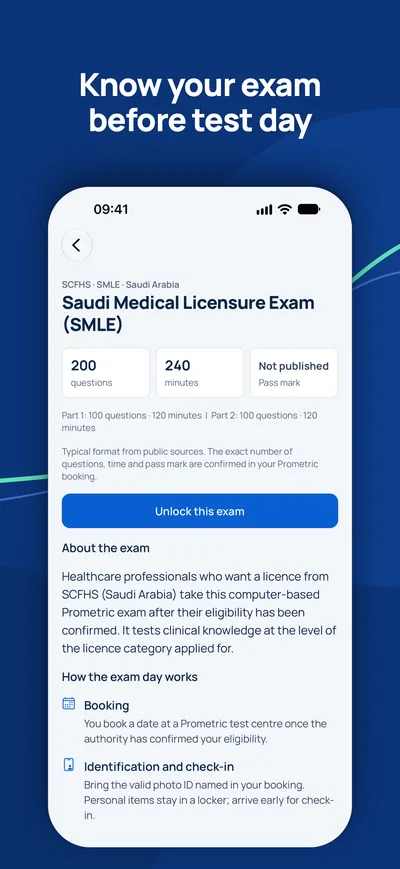
- NHRA Pharmacist licensure exam (BPLE) (BPLE): non pubblicato domande, non pubblicato minuti, soglia di superamento non pubblicato
Pharmacokinetics
Lesson 1Core pharmacokinetic parameters: Vd, clearance, half-life and bioavailability
Pharmacokinetics (PK) describes what the body does to a drug: absorption, distribution, metabolism and excretion. For dosing questions you only need a small set of parameters. If you understand what each one means physically, almost every exam calculation becomes simple arithmetic. This chapter defines them, links them together and shows why they matter at the bedside.
Volume of distribution (Vd) is not a real anatomical volume. It is the volume that would be needed to contain the whole amount of drug in the body at the same concentration as in plasma. It is calculated as Vd = dose / C0, where C0 is the plasma concentration extrapolated to time zero after an intravenous bolus. A drug that stays in plasma, such as heparin or warfarin (highly protein bound), has a small Vd of a few litres. A drug that is concentrated in tissues, such as digoxin (bound to muscle Na+/K+-ATPase) or amiodarone (lipophilic), has a Vd of hundreds of litres, far above total body water, which is about 42 L in a 70-kg adult. A large Vd means plasma holds only a small fraction of the body load, which is why haemodialysis removes little digoxin or amiodarone.
Clearance (CL) is the volume of plasma completely cleared of drug per unit time (for example L/h or mL/min). It is the most important parameter for chronic dosing because it decides how fast drug leaves the body and therefore which dose rate keeps a given average concentration. Two forms are used: CL = k × Vd, and CL = F × dose / AUC, where AUC is the area under the concentration–time curve. Total clearance is the sum of renal, hepatic and other clearances, so if one organ fails, only that part falls.
The elimination rate constant k is the fraction of drug removed per unit time in first-order kinetics. It links to half-life by k = 0.693 / t½. Half-life (t½) is the time for the plasma concentration to fall by half. Rearranging the equations gives t½ = 0.693 × Vd / CL. This is the key insight: half-life is a dependent parameter. It rises if Vd rises or if CL falls. If disease doubles Vd while clearance is unchanged, half-life doubles; the average steady-state concentration on the same dose rate does not change, because that is determined by clearance alone, but it takes twice as long to reach it.
| Parameter | Formula | What it controls |
|---|---|---|
| Volume of distribution | Vd = dose / C0 | Loading dose; how much of the body load is in plasma |
| Clearance | CL = k × Vd = F × dose / AUC | Maintenance dose rate; average steady-state level |
| Elimination rate constant | k = 0.693 / t½ = CL / Vd | Fractional fall per hour |
| Half-life | t½ = 0.693 × Vd / CL | Time to steady state and time to washout |
| Bioavailability | F = (AUC oral × dose IV) / (AUC IV × dose oral) | Fraction of an oral dose reaching systemic circulation |
Bioavailability (F) is the fraction of an administered dose that reaches the systemic circulation unchanged. Intravenous drugs have F = 1 by definition. Oral F is reduced by incomplete absorption and by first-pass metabolism in gut wall and liver. To calculate absolute bioavailability from a crossover study, compare dose-normalised AUCs: F = (AUC oral / dose oral) / (AUC IV / dose IV). For example, if 100 mg orally gives an AUC of 20 mg·h/L and 50 mg IV gives 25 mg·h/L, F = (20/100) / (25/50) = 0.2 / 0.5 = 0.4, or 40%.
Absorption can be changed by things the patient does. Itraconazole capsules and older ketoconazole need gastric acid to dissolve; a proton pump inhibitor can cut their absorption enough to cause treatment failure. Practical answers are to take the capsule with an acidic drink such as cola, to use the oral solution (which does not need acid), or to switch to an azole whose absorption is acid-independent. Chelation (tetracyclines, quinolones and polyvalent cations) and food effects are other common absorption problems.
First-order (linear) kinetics means a constant fraction is eliminated per unit time, so concentration falls exponentially and doubling the dose doubles the steady-state level. Most drugs behave like this at therapeutic doses. Zero-order (capacity-limited, Michaelis–Menten) kinetics means a constant amount is eliminated per unit time because the enzymes are saturated. Phenytoin, ethanol and high-dose salicylate are the classic examples; theophylline can become saturable at high levels. For these drugs a small dose increase can cause a large, disproportionate rise in concentration, and the apparent half-life lengthens as concentration rises.
Sources: Rowland M, Tozer TN. Clinical Pharmacokinetics and Pharmacodynamics: Concepts and Applications, 5th ed. Wolters Kluwer, 2019. · Bauer LA. Applied Clinical Pharmacokinetics, 3rd ed. McGraw-Hill, 2015. · Winter's Basic Clinical Pharmacokinetics, 6th ed. (Beringer P, ed.). Wolters Kluwer, 2018.
L’esame NHRA Pharmacy
Quante domande ha l’esame NHRA Pharmacy?+
NHRA Pharmacist licensure exam (BPLE) (BPLE): non pubblicato domande, non pubblicato minuti, soglia di superamento non pubblicato. Il numero esatto di domande, il tempo e la soglia sono confermati nella sua prenotazione.
Quali argomenti pesano di più?+
Gli argomenti principali sono Clinical pharmacy & OTC counselling (28 %), Pharmaceutics & compounding (12 %), Pharmacy practice, law & ethics (11 %). Il corso copre 10 argomenti con 45 capitoli in totale.
Come mi preparo all’esame NHRA Pharmacy?+
Studi i capitoli argomento per argomento, ripassi gli appunti chiave e si eserciti con simulazioni a tempo nel formato della sua autorità.
Domande
Per quanto tempo ho accesso?+
L’accesso dura 90 giorni dal pagamento per il paese e la professione scelti.
Quali dispositivi posso usare?+
Qualsiasi browser su computer, tablet o telefono, più l’app MediFlow con lo stesso account.
Posso avere un rimborso?+
Legga la nostra politica di rimborso prima dell’acquisto. Politica di rimborso

iPhone · iPad
GCC Medical Exam Prep
Si prepari sul Suo iPhone per DHA, DOH, MOHAP, SCFHS e altri esami di abilitazione del Golfo.
L’esame è il suo unico passo aperto?
Verifichi prima se l’esame le serve davvero e quale titolo può aspettarsi. Un consulente risponde gratuitamente.
Verifica dei requisiti- 1Consulenza gratuita via video, telefono o WhatsApp
- 2Verifica dei requisiti secondo le norme ufficiali
- 3Il suo piano con prezzi fissi e passi chiari