
🇸🇦 SCFHS
Nursing & Midwifery Saudi Arabia
Registered nurses and midwives preparing for DHA, DOH, MOHAP, SCFHS, DHP, OMSB, NHRA and Kuwait exams
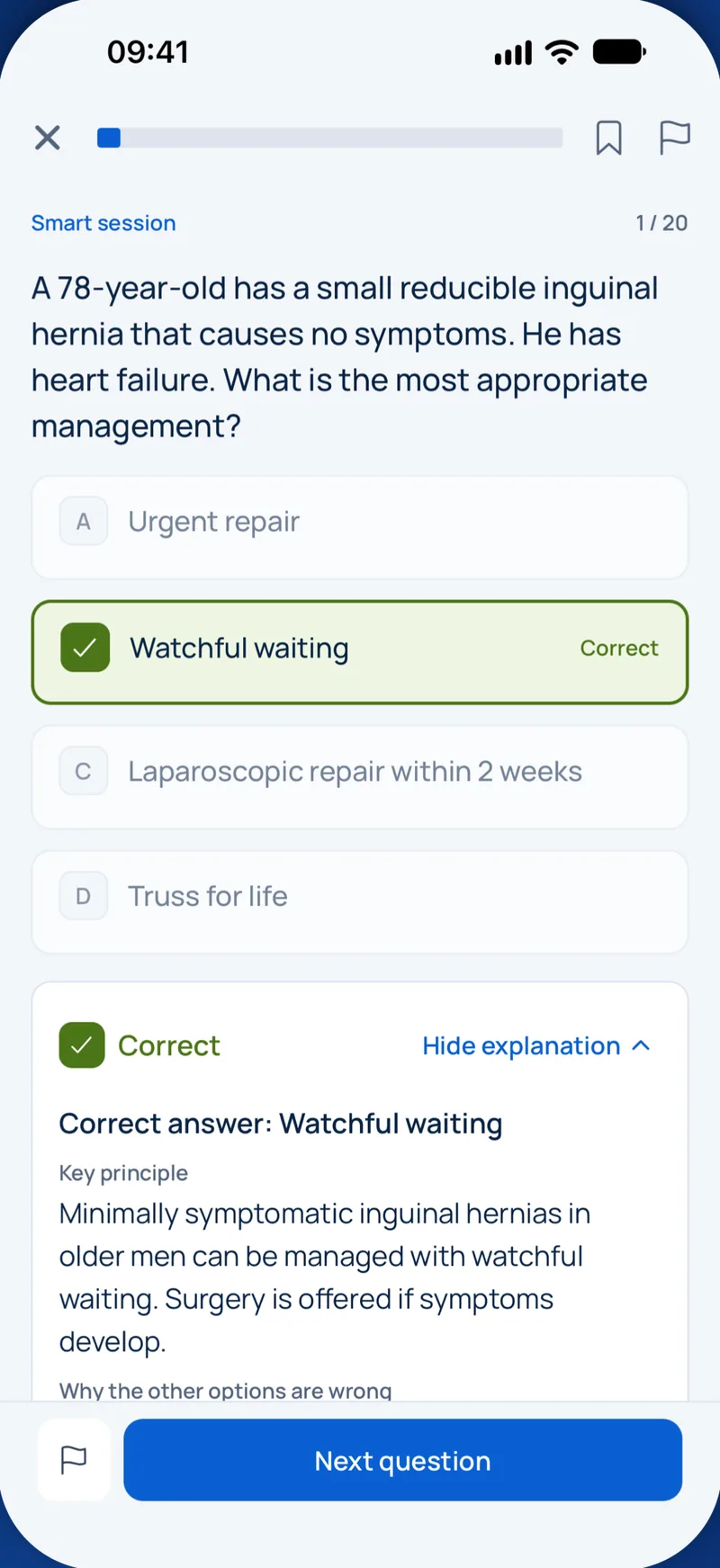
Question d’exemple
Before giving a medication, which identifiers should the nurse use?
Keys: 1–5 or A–E to choose, Enter to check and continue, F to mark.
Original MediFlow content, not official exam questions. Medical review in progress.
Syllabus and high-yield notes
1. Patient safety & fundamentals · 13 % poids à l’examen · 5 lessons+
- Identify every patient with two patient-specific identifiers (for example full name and date of birth or hospital number) checked against the wristband before medications, blood, specimens and procedures. Room or bed numbers are never identifiers.
- Prioritise with ABC first, then Maslow: physiological needs before safety, then love and belonging, esteem and self-actualisation. An actual, unstable or unexpected problem comes before a risk problem or a stable, expected finding.
- Delegation follows the five rights: right task, circumstance, person, directions and communication, and supervision and evaluation. The registered nurse keeps assessment, care planning, teaching, evaluation and the care of unstable patients.
- The Braden scale scores six subscales from 6 to 23; 18 or less means risk, 10–12 high risk and 9 or less very high risk. Prevention: pressure-redistributing surface, individualised repositioning, head of bed at 30° or lower, skin care, nutrition. Never massage reddened skin or use ring cushions.
- Pressure injury stages: 1 non-blanchable erythema of intact skin; 2 partial thickness with exposed dermis; 3 full thickness with visible fat; 4 exposed fascia, muscle, tendon, cartilage or bone; unstageable when slough or eschar hides the base; deep tissue injury is persistent deep red, maroon or purple discoloration.
- After a fall, check the patient for injury before moving them; use flat lifting equipment if a hip or spinal injury is suspected. Unwitnessed falls, head strikes and anticoagulation call for neurological observations and medical review.
- Restraints are a last resort and need a valid order. Tie straps to the movable part of the bed frame with a quick-release knot, never to side rails; check fit (two fingers), circulation and skin regularly, release for movement and document each check.
- Oxygen targets are 94–98 % for most adults and 88–92 % for those at risk of hypercapnic failure. Nasal cannula 1–6 L/min, simple face mask 5–10 L/min, reservoir mask 15 L/min for critical illness, Venturi mask for a fixed, precise FiO2.
- Before any enteral feed, confirm the nasogastric tube position (aspirate pH 5.5 or below, otherwise X-ray); keep the head of the bed at 30–45° during feeding. In malnourished patients, start feeds slowly, give thiamine first and monitor phosphate, potassium and magnesium to prevent refeeding syndrome.
- After an error, the patient comes first: assess, monitor and inform the prescriber, then complete an incident report. The incident report is a confidential quality document; it is neither filed in nor mentioned in the medical record, where only the facts and actions are recorded.
- Safe foundations: patient identification, prioritisation and delegation – Most harm in hospitals does not come from rare diseases. It comes from ordinary moments that go wrong: the wrong patient receives a drug, a deteriorating patient is seen too late, or a task is handed to someone who cannot do it safely. Licensing exams test these moments again and again, because they show whether a nurse thinks safely. This chapter covers three foundations: identifying the patient correctly, deciding who needs you first, and delegating work safely.
- Pressure injuries: risk assessment, prevention and staging – A pressure injury is localised damage to skin and underlying soft tissue, usually over a bony prominence or under a medical device, caused by pressure alone or by pressure combined with shear. The term 'pressure injury' replaced 'pressure ulcer' in the 2016 NPIAP staging system because early stages have intact skin and are not yet ulcers. Many textbooks and some Gulf exams still say 'pressure ulcer' or 'bedsore'; they mean the same thing.
- Falls, restraints, fire and safe vital signs – Environmental safety covers events that happen around the patient rather than inside the disease: falls, the use of restraints, fire, and the reliability of basic measurements. These topics carry many easy marks because the correct actions follow clear rules.
- Oxygen therapy, enteral feeding and basic procedures – Oxygen and tube feeding are everyday procedures, yet both can kill when used without thought. Oxygen is a drug: it needs a prescription with a target saturation range, and too much can harm some patients. Feeding into a misplaced nasogastric tube can flood the lungs. This chapter gives the rules that keep both safe, and then a few classic procedure facts such as enema positioning.
- Consent, documentation, errors and incident reporting – Safety also lives in paperwork and conversations. Consent protects the patient's right to decide. Documentation is the legal record of care. A good response to an error decides whether harm grows or is contained. These topics are tested as 'what should the nurse do first?' questions.
2. Medication & calculations · 3 % poids à l’examen · 5 lessons+
- Check the rights of medication administration every time: right patient, drug, dose, route, time, documentation, reason and response, and respect the patient's right to refuse. A patient who says a tablet looks different is giving you a final safety check: stop and verify.
- Core formulas: tablets or liquids = desired ÷ stock × volume; pump rate (mL/h) = volume ÷ hours; drip rate (drops/min) = volume (mL) × drop factor ÷ minutes; weight-based infusions: dose per minute × 60 ÷ concentration = mL/h. Estimate first and convert all units before calculating.
- Write doses safely: always a leading zero (0.5 mg), never a trailing zero (5 mg, not 5.0 mg), write 'units' and 'micrograms' in full. 'U' can be read as 0 or 4 and 'µg' as mg.
- High-alert medications (insulin, heparin and other anticoagulants, concentrated electrolytes, opioids) cause the most serious harm when errors occur. Use independent double checks, smart pumps and standard concentrations.
- Intravenous potassium is never given as a bolus or push. It is given diluted (preferably premixed), through an infusion pump, at a controlled rate (on general wards usually no faster than 10 mmol/h via a peripheral line), with ECG monitoring at higher rates.
- Heparin: monitor aPTT or anti-Xa and platelets; the antidote is protamine sulfate. A platelet fall of more than 50 % between days 5 and 10, or a new thrombosis, suggests heparin-induced thrombocytopenia: stop all heparin, including flushes and LMWH.
- Insulin profiles (approximate): rapid-acting analogues onset 10–20 min, peak 1–3 h, duration 3–5 h, given just before meals; soluble (regular) onset 30–60 min, peak 2–4 h; NPH onset 1–2 h, peak 4–12 h; glargine about 24 h without a marked peak.
- When mixing insulins, draw up clear (soluble) before cloudy (NPH) so the soluble vial is not contaminated. Glargine and detemir are never mixed. Only soluble insulin is given intravenously.
- Injection technique: IM at 90° (ventrogluteal preferred in adults, vastus lateralis in infants, deltoid only for small volumes); subcutaneous at 45–90°; intradermal at 10–15° (tuberculin test). Use the Z-track technique for irritating IM drugs.
- Learn the antidotes: opioids – naloxone; benzodiazepines – flumazenil; heparin – protamine; warfarin – vitamin K (phytomenadione) plus prothrombin complex concentrate; paracetamol – acetylcysteine; digoxin – digoxin-specific antibody fragments; magnesium sulfate – calcium gluconate.
- Safe medication administration: the rights, prescriptions and error prevention – Medication errors are among the most common causes of avoidable harm in hospitals. The nurse is usually the last person between a wrong drug and the patient, so licensing exams test this role heavily. This chapter explains the routine checks you perform every time, how a safe prescription is written, and what you do when something does not look right.
- Drug calculations: tablets, liquids, units and weight-based doses – Calculation questions are a reliable source of marks if you use one method every time. The method is: convert units first, estimate the answer, apply the formula, then check that the result makes sense. Most wrong answers come from skipping the unit conversion, not from bad arithmetic.
- Intravenous infusions: pump rates, drip rates and high-alert infusions – Most IV fluids and many drugs are given by infusion. The nurse sets the rate, either on a volumetric pump (in mL per hour) or by counting drops in a gravity set (drops per minute). Errors in rate setting are dangerous because a whole bag or syringe can run in too fast. This chapter covers the formulas, the high-alert infusions you must know, and safe practice with potassium.
- Insulin, anticoagulants and opioids: managing the highest-risk drugs – Three drug groups cause a large share of serious medication harm: insulin, anticoagulants and opioids. For each you must know how it works over time, what to check before giving it, the typical complications and the antidote. Exams test practical timing questions, such as when hypoglycaemia is most likely, as often as pharmacology.
- Routes, injection technique, adverse drug reactions and antidotes – The final chapter covers how drugs are physically given, how to recognise important adverse reactions and toxicity, and which antidote matches which drug. These topics often appear as short recall questions or as clinical scenarios in which the right action depends on recognising a specific reaction.
3. Medical-surgical nursing · 21 % poids à l’examen · 5 lessons+
- Pre-operative fasting for healthy adults: clear fluids up to 2 hours, breast milk 4 hours, a light meal or formula 6 hours and a fatty meal 8 hours before anaesthesia. Unnecessarily long fasting causes dehydration, discomfort and hypoglycaemia.
- Wound evisceration is an emergency: cover the bowel with sterile dressings moistened with 0.9 % sodium chloride, place the patient in low Fowler's position with knees flexed, keep nil by mouth, monitor for shock and call the surgeon. Never push the bowel back.
- Acute compartment syndrome: pain out of proportion and pain on passive stretch are early signs; pulses usually stay present until late. Keep the limb at heart level, loosen dressings or split the cast and get urgent surgical review.
- Electrolytes on the ECG: hyperkalaemia gives peaked T waves, then wide QRS; hypokalaemia gives flat T waves and U waves; hypocalcaemia prolongs the QT interval. Correct chronic hyponatraemia by no more than 10 mmol/L in the first 24 hours to avoid osmotic demyelination.
- Diabetes: an unconscious hypoglycaemic patient receives nothing by mouth – give IV glucose 10 % or glucagon IM. On sick days, people with type 1 diabetes never stop basal insulin; they check glucose and ketones every 2–4 hours and drink fluids.
- Acute coronary syndrome: give oxygen only if SpO2 is below 90 %. Heart failure: weigh daily at the same time after voiding and before breakfast, and report a gain of more than 2 kg in 3 days.
- Chest drains: keep the drainage bottle upright and below chest level; bubbling in the water-seal chamber shows an air leak and swinging (tidaling) shows patency. Never clamp a bubbling drain. COPD rescue medication is a short-acting bronchodilator such as salbutamol.
- Dialysis: check an arteriovenous fistula for thrill and bruit every shift and use the other arm for blood pressure and blood tests. Cloudy peritoneal dialysis effluent with abdominal pain means peritonitis until proven otherwise.
- A healthy stoma is moist and pink to red; a dusky, purple or black stoma is ischaemic and needs urgent surgical review. On a double-lumen gastric sump tube, keep the blue air vent open and above the level of the stomach.
- Neuro observations: GCS ranges from 3 to 15 (eyes 4, verbal 5, motor 6); a score of 8 or less threatens the airway. Cushing's triad – rising systolic pressure with widening pulse pressure, bradycardia and irregular breathing – is a late sign of raised intracranial pressure.
- Perioperative care, wounds and pain – Medical-surgical nursing is the care of adults whose illness is managed medically or surgically on a general ward. Exams test this area through safety decisions: what you do first, what you report, and what you must never do. This chapter follows the surgical patient from the night before theatre to wound healing and pain control.
- Electrolytes and diabetes emergencies – Electrolyte disorders and blood glucose emergencies cause sudden deterioration on the ward. The nurse often sees the first sign: an ECG change, a tingling mouth, new confusion or an unresponsive patient. You need to recognise the pattern and know the first safe step.
- Cardiac and respiratory nursing – Heart and lung disease fill most medical wards. Exam questions focus on oxygen use, drug safety, daily monitoring in heart failure, inhaler and breathing education in COPD, and the care of underwater-seal chest drains.
- Renal and gastrointestinal care: dialysis, stomas and tubes – Patients with kidney failure and patients after bowel surgery carry devices that nurses assess every shift: dialysis access, stomas and gastric tubes. Each has a short list of normal findings and danger signs. Knowing these lets you act before harm occurs.
- Neurological observations and raised intracranial pressure – Neurological deterioration can be subtle at first and catastrophic later. Structured neurological observations allow the nurse to detect change early and escalate. The Glasgow Coma Scale (GCS), pupil assessment, limb power and vital signs together form a neuro check.
4. Infection prevention · 2 % poids à l’examen · 5 lessons+
- WHO My 5 Moments for Hand Hygiene: before touching a patient, before a clean or aseptic procedure, after body fluid exposure risk, after touching a patient and after touching patient surroundings. The patient zone includes the bed, linen, pump and bedside table.
- Alcohol hand rub takes 20–30 seconds; washing with soap and water takes 40–60 seconds. Use soap and water when hands are visibly soiled and after caring for patients with C. difficile or norovirus, because alcohol does not kill spores.
- Transmission-based precautions: contact (MRSA, C. difficile, scabies) – gown and gloves, dedicated equipment; droplet (influenza, meningococcus, pertussis) – surgical mask; airborne (tuberculosis, measles, varicella) – fit-tested FFP2/N95 respirator and a negative-pressure room.
- PPE order: put on gown, mask or respirator, goggles or face shield, then gloves. Remove gloves first, then eye protection, gown and finally the mask or respirator (a respirator after leaving the room), with hand hygiene after removal.
- Never recap, bend or break used needles; dispose of sharps at the point of use and replace the container at the fill line. After a needlestick: let the wound bleed, wash with soap and water, report at once; HIV post-exposure prophylaxis starts as soon as possible and is not offered after 72 hours.
- CAUTI prevention: insert catheters only when indicated, use aseptic technique, keep a closed system, keep the bag below the bladder and off the floor, and remove the catheter as soon as it is no longer needed. No routine catheter changes, antibiotic irrigation or screening for asymptomatic bacteriuria.
- CLABSI prevention: chlorhexidine above 0.5 % in alcohol for skin antisepsis, allowed to dry; maximal sterile barrier precautions at insertion; scrub the hub before every access; transparent dressings at least every 7 days, gauze every 2 days, or sooner if damp, loose or soiled.
- VAP prevention: avoid intubation where possible, minimise sedation with daily awakening and breathing trials, raise the head of the bed to 30–45°, mobilise early, feed enterally and brush teeth daily without chlorhexidine.
- C. difficile: isolate in a single room with its own toilet as soon as infective diarrhoea is suspected, before results are back (SIGHT: suspect, isolate, gloves and aprons, hand washing, test). Clean the environment with a sporicidal (chlorine-releasing) agent.
- Spaulding classification: critical items entering sterile tissue need sterilisation; semi-critical items touching mucous membranes (endoscopes) need at least high-level disinfection; non-critical items touching intact skin need low-level disinfection. On a sterile field, the outer 2.5 cm border and anything below waist level count as non-sterile.
- The chain of infection, standard precautions and hand hygiene – Infection prevention is the part of nursing that protects every patient, every day, whatever their diagnosis. Healthcare-associated infections (HAIs) are infections that were not present or incubating on admission and appear 48 hours or more after admission, or that are caused by care itself. The WHO estimates that in high-income countries around 7 of every 100 hospitalised patients acquire at least one HAI, and the figure is higher in intensive care. Most of these infections are carried on the hands of staff or linked to devices such as catheters and central lines. That is why exams focus on a small set of habits that break transmission: hand hygiene, the correct use of protective equipment, safe handling of sharps and careful device care.
- Transmission-based precautions, PPE and resistant organisms – Standard precautions apply to everyone. Transmission-based precautions are added when a patient is known or suspected to carry an organism that spreads in a particular way. There are three categories: contact, droplet and airborne. Precautions start on suspicion, not on laboratory confirmation, because the patient is infectious before the result returns.
- Sharps safety, needlestick injuries and post-exposure prophylaxis – Sharps injuries are one of the commonest occupational hazards for nurses. A single injury from a hollow-bore needle can transmit hepatitis B virus (HBV), hepatitis C virus (HCV) or HIV. The approximate risk of transmission after a percutaneous injury from an infected source is about 30 percent for HBV in a non-immune person when the source is HBeAg positive, about 1.8 percent for HCV and about 0.3 percent for HIV. Mucous membrane exposure to HIV carries roughly 0.09 percent. These figures explain priorities: hepatitis B vaccination of all healthcare workers, and rapid action after any exposure.
- Cleaning, disinfection, sterilisation and aseptic technique – Equipment that is used on more than one patient must be decontaminated between uses. Decontamination is a general term covering three levels of increasing strength. Cleaning removes visible dirt and organic material with water and detergent; it removes many organisms but does not kill them all. Disinfection kills most vegetative organisms but not necessarily all bacterial spores. Sterilisation destroys all forms of microbial life, including spores. Cleaning always comes first, because blood and tissue protect organisms from disinfectants and sterilants.
- Device-associated infections: CAUTI, CLABSI and VAP – Invasive devices bypass the body's natural defences. Bacteria attach to the plastic surface and form a biofilm, a slimy layer that protects them from antibiotics and immune cells. The risk of infection therefore rises every day the device stays in. Prevention relies on care bundles: small sets of evidence-based measures that work best when all are performed every time. Three device infections dominate nursing exams: catheter-associated urinary tract infection (CAUTI), central line-associated bloodstream infection (CLABSI) and ventilator-associated pneumonia (VAP).
5. Emergency & critical care · 7 % poids à l’examen · 5 lessons+
- Adult CPR: 30 compressions to 2 breaths, rate 100–120/min, depth 5–6 cm, full recoil and minimal pauses; attach a defibrillator as soon as possible. A conscious adult with severe choking receives up to 5 back blows, then up to 5 abdominal thrusts, repeated; infants receive back blows and chest thrusts.
- ALS: shock VF and pulseless VT and resume CPR immediately; give epinephrine (adrenaline) 1 mg as soon as possible in PEA and asystole, then every 3–5 minutes; amiodarone 300 mg for shock-refractory VF/pVT, then 150 mg. Look for the reversible causes (4 Hs and 4 Ts).
- START mass-casualty triage: walking = minor (green); not breathing after airway opening = expectant/dead (black); respiratory rate above 30, no radial pulse or capillary refill over 2 s, or unable to follow commands = immediate (red); everyone else = delayed (yellow).
- Shock types: hypovolaemic and cardiogenic shock cause cold, clammy skin and tachycardia; early septic shock can cause warm skin; neurogenic shock after spinal cord injury above T6 causes hypotension with bradycardia and warm, dry skin.
- Sepsis (Surviving Sepsis Campaign 2026): screen with NEWS, NEWS2, MEWS or SIRS rather than qSOFA alone; take blood cultures, then give antimicrobials ideally within 1 hour; at least 30 mL/kg crystalloid within 3 hours for hypoperfusion; norepinephrine first line for a MAP target of 65 mmHg.
- NEWS2 scores respiratory rate, SpO2, supplemental oxygen, systolic BP, pulse, consciousness (including new confusion) and temperature. A total of 5–6 or a single parameter scoring 3 needs an urgent clinical review; 7 or more needs an emergency response by a team with critical care skills.
- ABG in four steps: pH (below 7.35 acidosis, above 7.45 alkalosis); PaCO2 4.7–6.0 kPa (35–45 mmHg) for the respiratory component; HCO3− 22–26 mmol/L for the metabolic component; whichever matches the pH is the primary disorder, and an abnormal pH means compensation is incomplete.
- Ventilator alarms: high pressure means secretions, coughing, biting, kinked tubing, bronchospasm or pneumothorax; low pressure means disconnection or a cuff leak. If a ventilated patient deteriorates suddenly and the cause is unclear, disconnect and hand-ventilate with 100 % oxygen (DOPE: displacement, obstruction, pneumothorax, equipment).
- Transfusion: two-identifier bedside check, observations before, 15 minutes after the start and at the end, and completion within 4 hours of removal from storage. Stop at any sign of reaction. TACO causes hypertension, raised JVP and pulmonary oedema; TRALI causes hypoxaemia, often with hypotension and fever, without fluid overload.
- Anaphylaxis: epinephrine (adrenaline) 0.5 mg IM in the anterolateral thigh for adults, repeated after 5 minutes if needed; antihistamines are not first line. DKA: fluids first, potassium replacement and delay of insulin if potassium is below 3.5 mmol/L, then fixed-rate insulin 0.1 units/kg/h. Burns: Parkland 4 mL × kg × %TBSA, half in the first 8 hours from the time of the burn.
- Cardiac arrest: basic and advanced life support – Cardiac arrest means the heart has stopped pumping blood effectively. Within seconds the brain receives no oxygen, the person collapses and stops breathing normally. Every minute without circulation lowers the chance of survival, so the hospital response is built around a simple chain: recognise the arrest early, call for help, start high-quality chest compressions, defibrillate a shockable rhythm as early as possible, and then provide advanced care. Nurses are usually the first professionals at the bedside, so examiners expect you to know the numbers and the order of actions precisely.
- Recognising the deteriorating patient: NEWS2, SBAR, triage and shock – Most in-hospital cardiac arrests are not sudden. In the hours before, vital signs usually drift: breathing gets faster, oxygen saturation falls, the pulse rises, blood pressure drops and the patient becomes confused. The nurse's task is to notice this pattern early, score it objectively, communicate it clearly and escalate. Three tools are central: an early warning score (NEWS2), a structured handover (SBAR), and a systematic ABCDE assessment.
- Sepsis, septic shock and anaphylaxis – Sepsis is life-threatening organ dysfunction caused by a dysregulated host response to infection (Sepsis-3 definition, 2016). The infection itself is not the whole problem: the body's own inflammatory response damages vessels, leaks fluid into tissues, impairs oxygen use and causes organs such as the kidneys, lungs and brain to fail. Septic shock is the subset in which, despite adequate fluid resuscitation, vasopressors are needed to keep the MAP at 65 mmHg or more and the serum lactate is above 2 mmol/L. Mortality rises sharply with every hour of delay in treatment, which is why nurses are central to recognition.
- Arterial blood gases and the ventilated patient – An arterial blood gas (ABG) shows how well the lungs exchange gases and how the body balances acids and bases. For an exam you need to interpret it in a fixed sequence and to know what it means for the patient. The body keeps pH in a narrow range because enzymes and the heart work poorly outside it. Two systems control pH: the lungs adjust carbon dioxide (an acid when dissolved) within minutes, and the kidneys adjust bicarbonate (a base) over hours to days.
- Transfusion safety, diabetic ketoacidosis and burns – Three emergencies regularly appear in nursing exams because the nurse's actions decide the outcome: a reaction to a blood transfusion, diabetic ketoacidosis (DKA) and major burns. Each has a fixed safety process and a few numbers you must know.
6. Maternal & newborn · 16 % poids à l’examen · 5 lessons+
- Stages of labour: the first stage ends at full cervical dilation (WHO 2018 places the start of the active phase at 5 cm), the second ends with the birth of the baby and the third with delivery of the placenta. The first 1–2 hours afterwards (often called the fourth stage) carry the highest risk of postpartum haemorrhage, so vital signs, fundus and lochia are checked every 15 minutes.
- Fetal heart rate: a baseline of 110–160/min with moderate variability (6–25/min) is reassuring. Early decelerations mirror contractions (head compression); variable decelerations are abrupt and irregular (cord compression – change position); late decelerations begin after the contraction peak (uteroplacental insufficiency – lateral position, stop oxytocin, IV fluids, inform the obstetrician).
- WHO (2025) defines postpartum haemorrhage as blood loss of 500 mL or more, or 300 mL or more with abnormal vital signs, within 24 hours of birth. Uterine atony causes most cases (the 4 Ts: tone, trauma, tissue, thrombin). A soft, high fundus with heavy bleeding is massaged first while help is called; oxytocin and early IV tranexamic acid (within 3 hours of birth) follow.
- Before palpating the fundus, ask the woman to empty her bladder and support the lower uterine segment with one hand. After birth the fundus lies at about the umbilicus and descends about 1 cm per day. A firm fundus that is high and deviated to the right points to a full bladder, not to atony.
- Magnesium sulfate prevents and treats eclamptic seizures; it is not an antihypertensive. Monitor respiratory rate, patellar reflexes, urine output, consciousness and oxygen saturation. A respiratory rate below 12/min, absent reflexes or oliguria mean stopping the infusion and calling the doctor; the antidote is calcium gluconate 10%, 10 mL IV given slowly.
- WHO (2016) recommends at least eight antenatal contacts, the first before 12 weeks, with daily iron (30–60 mg elemental) and folic acid 400 µg. Gestational diabetes is screened with a 75 g OGTT at 24–28 weeks. Unsensitised RhD-negative women receive anti-D immunoglobulin at about 28 weeks and within 72 hours of birth if the baby is RhD-positive.
- Breastfeeding should start within the first hour and be exclusive for 6 months. Good attachment: wide-open mouth, flanged lower lip, chin touching the breast and more areola visible above the top lip than below. Sore nipples usually signal poor attachment; mastitis is not a reason to stop breastfeeding.
- Apgar scores at 1 and 5 minutes describe the baby's condition but do not decide whether to start resuscitation – breathing and heart rate do. Every newborn over 1500 g receives 1 mg vitamin K IM within 6 hours of birth. The blood-spot screen is taken after 24 hours of age, once feeding is established.
- Jaundice in the first 24 hours of life is always pathological (often haemolysis from ABO or Rh incompatibility) and needs an urgent bilirubin measurement. During phototherapy: eye shields, maximal skin exposure, no lotions, temperature and hydration monitoring, and continued breastfeeding.
- Obstetric emergencies: with cord prolapse, lift the presenting part off the cord, use the knee-chest or Trendelenburg position and call for help – never push the cord back. With painless bright red bleeding in the third trimester, suspect placenta praevia and avoid any digital vaginal examination.
- Pregnancy basics: dating, physiology and antenatal care – Maternal and newborn nursing starts long before labour. The nurse who understands how pregnancy is dated, how the body adapts and what routine antenatal care looks for can recognise the moment when a normal change turns into a warning sign. This chapter lays that foundation.
- Labour, birth and fetal monitoring – Labour is the process by which regular contractions open the cervix and expel the baby and placenta. Nurses monitor mother and fetus throughout, so they must know the normal course and recognise departures from it early.
- Complications of pregnancy: hypertension, bleeding and diabetes – Most maternal deaths worldwide are due to haemorrhage, hypertensive disorders and infection. Many of these deaths are preventable when the nurse recognises the early signs and acts quickly. This chapter covers the conditions that examiners test most.
- Postpartum care and postpartum haemorrhage – The postpartum period (puerperium) lasts about six weeks, until the reproductive organs return to their non-pregnant state. The first hours and days carry the greatest risk: haemorrhage, infection, thromboembolism, hypertensive crises and mood disorders. Systematic assessment prevents most serious outcomes.
- Care of the newborn – The first minutes of life are a period of rapid change. The lungs fill with air, the fetal shunts close and the baby must keep warm and maintain glucose on its own. The nurse supports this transition and spots babies who fail to make it.
7. Paediatric nursing · 12 % poids à l’examen · 5 lessons+
- Growth: birth weight roughly doubles by about 5 months and triples by 12 months. The posterior fontanelle closes by about 2 months and the anterior fontanelle by 12–18 months; a bulging fontanelle suggests raised intracranial pressure, a sunken one dehydration.
- Development and hospital care: toddlers are most vulnerable to separation anxiety (protest, despair, detachment), so rooming-in and familiar objects matter. Missed milestones – for example not walking independently by 18 months (CDC 2022) – are referred for developmental evaluation rather than watched.
- Immunisation: true contraindications are few – anaphylaxis to a previous dose or vaccine component, and for live vaccines severe immunodeficiency or pregnancy. Mild illness with low-grade fever, antibiotics, prematurity and egg allergy (for MMR) are not reasons to delay. The hepatitis B birth dose is given within 24 hours.
- Dehydration (WHO IMCI): 'some dehydration' (restless, sunken eyes, drinks eagerly, skin pinch returns slowly) is treated with Plan B – ORS 75 mL/kg over 4 hours under observation; severe dehydration (lethargy, unable to drink, skin pinch very slow) needs Plan C with IV fluids. Give zinc for 10–14 days and continue feeding.
- Respiratory distress in children: tachypnoea, nasal flaring, grunting, head bobbing and retractions show increased work of breathing; bradycardia, exhaustion and a falling respiratory rate signal impending arrest. In suspected epiglottitis, keep the child calm and upright and do not examine the throat.
- Febrile seizures occur between 6 and 60 months. A simple febrile seizure is generalised, lasts under 15 minutes and does not recur within 24 hours. During a seizure: side position, protect from injury, nothing in the mouth, time it; a seizure lasting over 5 minutes is treated with a benzodiazepine. Antipyretics improve comfort but do not prevent recurrence.
- Vital signs are age-specific. In children aged 1–10 years, hypotension is a systolic BP below 70 + (2 × age in years) mmHg. Children compensate with tachycardia for a long time; hypotension and bradycardia are late signs.
- Pain assessment by age: neonates – NIPS or PIPP; infants, toddlers and non-verbal children – FLACC (2 months to 7 years); 3 years and older – Wong-Baker FACES; about 8 years and older – numeric rating scale. Reassess after every intervention.
- Safe medication in children: weigh in kilograms, calculate mg/kg, check the result against the usual and maximum dose, use an oral syringe for liquids and double-check high-alert drugs. A dose that is ten times the usual dose is withheld and clarified with the prescriber.
- Child protection: suspect maltreatment with bruising in a non-mobile infant, patterned injuries, immersion burns, posterior rib or spiral fractures and histories that do not fit the injury or the child's development. Document objectively, keep the child safe and refer to the child protection team as required by national law.
- Growth, development and the child in hospital – Children are not small adults. Their bodies, their thinking and their reactions to illness change with age. A paediatric nurse adapts assessment, communication and care to the developmental stage, so the first step is to know what is normal at each age.
- Immunisation and childhood infections – Vaccination is one of the most effective nursing interventions in child health. The nurse gives vaccines, checks for contraindications, handles the cold chain, teaches families and reports adverse events. The schedule differs between countries, so always follow the national programme; the principles below apply everywhere.
- Common acute illness: dehydration, respiratory problems and febrile seizures – Children become ill quickly and recover quickly. Their small fluid reserves and narrow airways explain why diarrhoea and respiratory infections are the leading causes of serious illness. This chapter follows the WHO Integrated Management of Childhood Illness (IMCI) approach, which is widely used in the Gulf and worldwide.
- Paediatric assessment, pain, medication safety and emergencies – Normal values in children change with age, so the nurse must know the ranges and use age-appropriate tools. A child compensates well and then deteriorates suddenly; the nurse's job is to notice the compensation phase.
- Chronic and serious conditions of childhood – Several conditions appear again and again in exams because they require specific nursing knowledge. This chapter covers the most important ones and links them to nursing priorities.
8. Mental health nursing · 6 % poids à l’examen · 5 lessons+
- Therapeutic communication keeps the focus on the patient: open-ended questions, restating, reflecting feelings, clarifying and purposeful silence. False reassurance, 'why' questions, advice-giving, judging and changing the subject block communication and are the usual wrong options in exams.
- Suicide risk: ask directly about suicidal thoughts – asking does not plant the idea. A specific plan with available means, a previous attempt, sudden calm after severe depression and giving away possessions mean high risk. Risk can rise as energy returns early in antidepressant treatment and around discharge. No-suicide contracts do not protect.
- De-escalation comes first in rising agitation: one staff member leads, speaks calmly, keeps a safe distance and an exit, acknowledges feelings and offers choices. Rapid tranquillisation, restraint and seclusion are last resorts, used only when de-escalation fails, for the shortest time and with close monitoring.
- Lithium has a narrow therapeutic range (usually 0.6–0.8 mmol/L, sampled 12 hours after the last dose). Dehydration, vomiting, diarrhoea, low sodium intake, NSAIDs, thiazides and ACE inhibitors raise levels. Coarse tremor, ataxia, slurred speech and confusion mean toxicity: withhold the dose and check the level urgently.
- Neuroleptic malignant syndrome follows antipsychotics over days: hyperthermia, lead-pipe rigidity, autonomic instability, reduced consciousness and very high CK. Serotonin syndrome follows serotonergic combinations within hours: agitation, hyperreflexia, clonus, mydriasis, diarrhoea. In both, stop the causative drug and give supportive care.
- Antipsychotic adverse effects follow a time pattern: acute dystonia within hours to days (treat with a parenteral anticholinergic), akathisia within days to weeks, parkinsonism within weeks, tardive dyskinesia after months to years. Clozapine requires regular neutrophil monitoring; fever or sore throat need an urgent blood count.
- Alcohol withdrawal starts 6–24 hours after the last drink; seizures peak at 12–48 hours and delirium tremens at 48–72 hours. Severity is tracked with the CIWA-Ar, and benzodiazepines are first-line. Give parenteral thiamine before or with glucose to prevent Wernicke's encephalopathy (confusion, ataxia, eye signs).
- Eating disorders: in severe anorexia nervosa the danger in the first days of feeding is refeeding syndrome – falling phosphate, potassium and magnesium with cardiac and respiratory failure – so electrolytes are checked daily. In bulimia, vomiting causes hypokalaemia; meals and the hour after them are supervised.
- Delirium has an acute onset, fluctuates and impairs attention; dementia develops gradually with intact attention until late. Delirium is a medical emergency – look for infection, drugs, dehydration, pain, retention and constipation – and is managed first with reorientation, glasses and hearing aids, family presence, sleep hygiene and avoidance of restraints and benzodiazepines.
- Dementia care: use short, simple sentences, a calm approach and validation of feelings rather than arguing with or repeatedly correcting the person. Distraction to meaningful activity, routine and a safe environment reduce distress; antipsychotics are reserved for severe distress or risk of harm.
- Therapeutic relationship, communication and mental status assessment – In mental health nursing the relationship itself is the main tool of care. Medicines matter, but recovery depends on trust, safety and the patient's own goals. This chapter covers how that relationship is built, how nurses communicate therapeutically and how they assess mental state.
- Mood disorders, anxiety and suicide risk – Depression and anxiety are the most common mental disorders, and suicide is their most serious complication. The nurse sees these patients in every setting, not only in psychiatry, so recognising risk is a general nursing skill.
- Psychosis and antipsychotic medication – Psychosis is a loss of contact with reality: hallucinations, delusions or disorganised thinking. Schizophrenia is the classic psychotic disorder, but psychosis also occurs in mania, severe depression, delirium, dementia and substance use. Antipsychotics are effective, yet their side effects are a frequent cause of non-adherence and of emergencies, so nurses must know them well.
- Substance use, eating disorders and cognitive disorders – Patients with substance use, eating disorders or delirium are seen on medical wards as often as in psychiatry. Each condition has a dangerous physical phase that nurses must monitor: withdrawal, refeeding and acute confusion.
- Safety, aggression, legal and ethical aspects – Mental health nursing often involves risk to the patient or others, and sometimes treatment without consent. This is where good communication and knowledge of the law protect both patient and nurse.
9. Community & public health nursing · 10 % poids à l’examen · 5 lessons+
- Levels of prevention: primary prevention stops disease before it starts (immunisation, health education, safe water); secondary prevention detects disease early (screening, case-finding, prompt treatment); tertiary prevention limits disability and complications (rehabilitation, diabetic foot clinics).
- Screening tests: sensitivity (true positives among the diseased) and specificity (true negatives among the healthy) belong to the test. Predictive values depend on prevalence – when a test moves from a high-prevalence clinic to the general population, the positive predictive value falls and false positives rise.
- Epidemiology basics: incidence counts new cases in the population at risk over a period; prevalence counts all existing cases at a point or period and roughly equals incidence × duration. Attack rate is used in outbreaks, case fatality rate expresses severity.
- Cold chain: most vaccines are stored at +2 to +8 °C and must never be frozen if they contain an aluminium adjuvant (hepatitis B, DTP-containing, Td, PCV, HPV); suspected freezing is checked with the shake test. The vaccine vial monitor shows cumulative heat exposure – once the inner square matches or is darker than the circle, the vial is not used.
- WHO multi-dose vial policy (2014): opened vials of eligible liquid vaccines (for example OPV, DTP-containing, hepatitis B, Td) may be kept for up to 28 days if conditions are met. Reconstituted vaccines without preservative – measles-containing, BCG, yellow fever – are discarded 6 hours after opening or at the end of the session, whichever comes first.
- Communicable disease control breaks a link in the chain of infection: agent, reservoir, portal of exit, mode of transmission, portal of entry and susceptible host. In the Gulf, a patient with acute respiratory illness and camel contact is a suspected MERS case: mask, isolate and notify. TB treatment is supported by community-based directly or video-observed therapy.
- Health education starts with the learner's readiness (stages of change: precontemplation, contemplation, preparation, action, maintenance) and health literacy. Confirm understanding with teach-back – the person explains or demonstrates in their own words – rather than asking 'Do you understand?'.
- Chronic disease management in the community focuses on self-management: daily foot inspection in diabetes, medication adjustment and glucose monitoring during Ramadan fasting (break the fast below 3.9 mmol/L or above 16.7 mmol/L), and regular review of blood pressure, weight and adherence.
- Home care: the nurse assesses the home environment for safety (falls hazards, medicines storage, oxygen and fire safety), involves the family as part of the care unit and coordinates with other services. Smoking or open flames near home oxygen is a serious fire hazard.
- Disasters and mass gatherings: START triage sorts casualties in seconds – walking wounded green; not breathing after airway opening black; respiratory rate over 30, absent radial pulse or capillary refill over 2 seconds, or unable to follow commands red; others yellow. Hajj pilgrims need quadrivalent meningococcal vaccine at least 10 days before arrival.
- Foundations of public health nursing and the levels of prevention – Community and public health nursing looks at the health of groups, not just of the person in the bed. The 'patient' may be a family, a school, a neighbourhood or a whole population. The goals are to prevent disease, promote health and reduce inequalities, using education, outreach, screening and partnership with the community.
- Epidemiology for nurses: measures, screening and outbreaks – Epidemiology studies how disease is distributed in populations and what determines it. Nurses use it to understand the burden of disease, choose who to screen, judge test results and investigate outbreaks. The calculations tested in exams are simple once the definitions are clear.
- Immunisation programmes and the cold chain – Community nurses run vaccination clinics, keep vaccines potent and reach unvaccinated people. A vaccine that has been frozen or overheated looks normal but may not protect anyone, so cold chain management is as important as the injection itself.
- Health promotion, chronic disease and special community settings – Much of community nursing is teaching and supporting behaviour change. People live with chronic diseases such as diabetes, hypertension and obesity for decades, and the Gulf region has some of the world's highest rates of diabetes. Effective teaching, cultural sensitivity and practical self-care skills make the difference.
- Environmental health, communicable disease control and disaster nursing – Community nurses also protect populations from environmental hazards, communicable disease and disasters. This chapter brings together surveillance, notification, water and food safety, and triage in mass casualty incidents.
10. Leadership, ethics & professional practice · 10 % poids à l’examen · 4 lessons+
- Delegation follows the five rights: right task, right circumstance, right person, right directions and communication, right supervision and evaluation. The registered nurse stays accountable for the patient and does not delegate assessment, clinical judgement, care planning, evaluation, patient teaching or the care of unstable patients.
- Prioritisation: airway, breathing and circulation first; then acute and unstable before chronic and stable, actual problems before potential ones, and physiological needs before psychosocial ones (Maslow). An unexpected change from a patient's baseline outranks a known, stable abnormality.
- Informed consent is obtained by the clinician who performs the procedure. The nurse witnesses the signature, checks identity, capacity, voluntariness and understanding, and stops the process and informs the clinician if the patient has questions, has changed his mind or is sedated or confused.
- Confidentiality: information is shared only with the care team on a need-to-know basis or with people the patient has authorised. Legal exceptions include notifiable diseases, court orders and safeguarding. Photos or comments about patients on social media breach confidentiality even without names or faces.
- Incident reporting supports a just culture: report adverse events and near misses promptly and factually. Care for the patient comes first; the medical record documents what happened and the patient's condition but does not mention the incident report. Serious events are analysed with root cause analysis, which looks at systems rather than blame.
- Quality improvement uses the Model for Improvement with rapid PDSA cycles: Plan the change and predict the result, Do it on a small scale, Study the data against the prediction, Act by adopting, adapting or abandoning the change.
- SBAR structures urgent communication and handover: Situation (what is happening now), Background (relevant history), Assessment (what the nurse thinks the problem is), Recommendation (what the nurse needs and by when). A closed-loop read-back confirms verbal orders.
- Conflict management: collaborating (win-win) gives the most lasting solutions for important issues; compromising suits time pressure between equal parties; avoiding and accommodating leave the cause unresolved. Leadership style should fit the situation – directive in a cardiac arrest, participative in planning.
- Ethical principles: autonomy (respect for informed choices of capable adults), beneficence (doing good), non-maleficence (avoiding harm), justice (fair allocation), veracity (truthfulness) and fidelity (keeping promises). A DNR order means no CPR – not no care; symptom control and comfort continue.
- Cultural competence in the Gulf: offer same-gender caregivers where possible, respect prayer times and Ramadan, involve the family while protecting the capable patient's own decision, and use trained interpreters rather than relatives or children. At the end of life, Muslim families may wish to turn the patient towards the Qibla and recite prayers; washing of the body is usually done by Muslims of the same gender.
- Prioritisation, delegation and team communication – Many licensing exam questions are not about a single disease but about what to do first and who should do it. These questions test clinical judgement. A few clear rules, applied consistently, answer most of them.
- Law, consent, confidentiality and documentation – A licensed nurse acts within a legal framework. Each Gulf country has its own regulator (for example DHA, DOH and MOHAP in the UAE, SCFHS in Saudi Arabia) and its own laws, but the principles of consent, confidentiality and documentation are shared internationally. Exams test these principles.
- Patient safety and quality improvement – Healthcare harms patients more often than most people realise. WHO estimates that around 1 in 10 hospital patients experiences an adverse event, and about half are preventable. Patient safety science treats errors as products of systems, not just of individuals. Nurses play the central role because they are present at the bedside around the clock.
- Leadership, management and conflict – Every nurse leads: a team for a shift, a student, or a patient's care plan. Leadership is about influencing people towards goals; management is about planning, organising and controlling resources to achieve them. Good charge nurses need both.
Formats officiels de l’examen
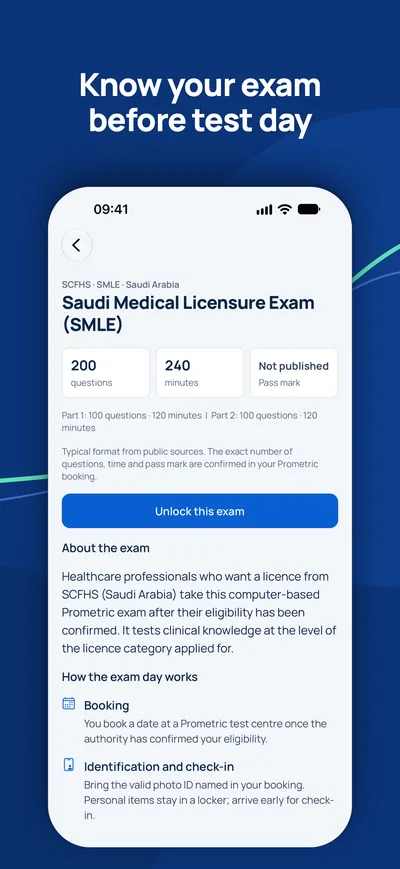
- Saudi Nursing Licensure Exam (SNLE) (SNLE): 200 questions, 240 minutes, seuil de réussite non publié (Part 1: 100 questions, 120 minutes; Part 2: 100 questions, 120 minutes)
Patient safety & fundamentals
Lesson 1Safe foundations: patient identification, prioritisation and delegation
Most harm in hospitals does not come from rare diseases. It comes from ordinary moments that go wrong: the wrong patient receives a drug, a deteriorating patient is seen too late, or a task is handed to someone who cannot do it safely. Licensing exams test these moments again and again, because they show whether a nurse thinks safely. This chapter covers three foundations: identifying the patient correctly, deciding who needs you first, and delegating work safely.
Patient identification means confirming that the person in front of you is the person for whom the medicine, blood product, specimen or procedure is intended. The World Health Organization made it the first of its patient safety solutions, and the Joint Commission International (JCI) lists it as International Patient Safety Goal 1. Gulf hospitals are usually JCI-accredited or follow national standards built on the same goals, so expect this rule in every exam.
The rule is simple: use at least two patient-specific identifiers. A patient-specific identifier belongs only to that person and does not change when the patient moves. Typical identifiers are the full name, the date of birth and the hospital (medical record) number. They are checked against the identification wristband and against the prescription, request form or label.
| Acceptable identifiers | Never acceptable as identifiers |
|---|---|
| Full name | Room number |
| Date of birth | Bed number |
| Hospital or medical record number | Diagnosis |
| National ID number (where hospital policy allows) | Location in the ward, the doctor's name, 'the man by the window' |
- Ask the patient, if able, to state their full name and date of birth (an open question, not 'Are you Mr Ahmed?').
- Compare the answers with the wristband.
- Compare the wristband with the prescription, blood unit, specimen label or consent form.
- If the patient cannot answer (confused, sedated, child, language barrier), rely on the wristband and, where policy allows, a relative or a second staff member; never on memory or the bed number.
- If there is no wristband or any detail does not match, stop and do not proceed until identity is resolved and a correct band is applied.
Why an open question? A drowsy, anxious or hard-of-hearing patient will often say yes to any name. Asking the patient to state their own details removes that risk. Identification is repeated every time, even if you know the patient well, because familiarity is exactly when errors happen. Specimens are labelled at the bedside, in front of the patient, never in advance.
Prioritisation is the skill of deciding the order in which to act. Exams present several patients or several problems and ask which comes first. Use a fixed order of frameworks so you do not have to guess.
- Airway, breathing, circulation (ABC): any threat to the airway beats a breathing problem, which beats a circulation problem. Some sources add D (disability, e.g. sudden confusion) and E (exposure).
- Maslow's hierarchy: physiological needs (oxygen, fluids, nutrition, elimination, pain) before safety and security, then love and belonging, then esteem, then self-actualisation.
- Actual before potential: a problem that exists now beats a risk of a problem.
- Unstable or unexpected before stable or expected: a finding that does not fit the patient's condition is a warning sign.
- Acute before chronic.
The 'expected versus unexpected' rule is the one candidates miss most. Pain after surgery on day one is expected. New chest pain in that same patient is not. Mild serous drainage from a fresh wound is expected; a sudden gush of bright red blood is not. Stable chronic conditions, such as known COPD with saturations at the usual level, can wait for a new, unexplained change elsewhere.
Delegation means transferring responsibility for performing a task to another person while the registered nurse keeps accountability for the outcome. The National Council of State Boards of Nursing (NCSBN) and the American Nurses Association describe five rights of delegation.
| Right | Question to ask |
|---|---|
| Right task | Is it routine, with a predictable outcome, and within the delegatee's role and policy? |
| Right circumstance | Is the patient stable? Is the setting appropriate? |
| Right person | Does this person have the training and competence? |
| Right directions and communication | Have I given clear, specific instructions, including what to report and when? |
| Right supervision and evaluation | Will I follow up, check the result and intervene if needed? |
What a registered nurse can never delegate to an unlicensed assistant: the nursing assessment (including the first assessment of a new admission), care planning, nursing judgement, patient teaching, evaluation of care, and the care of unstable or unpredictable patients. Assistants may collect data such as vital signs, weights, intake and output, and give hygiene, feeding of stable patients without swallowing problems, ambulation of stable patients and repositioning. Licensed practical nurses may give many routine oral medications to stable patients, depending on local scope of practice. The assistant reports; the nurse interprets.
Sources: Joint Commission International. Accreditation Standards for Hospitals, 8th ed. (International Patient Safety Goals), 2024 · World Health Organization. Patient Identification, Patient Safety Solutions vol. 1, solution 2, 2007 · NCSBN and ANA. National Guidelines for Nursing Delegation, 2019 · Potter PA, Perry AG, Stockert PA, Hall AM. Fundamentals of Nursing, 11th ed. Elsevier, 2023
L’examen SCFHS Nursing & Midwifery
Combien de questions comporte l’examen SCFHS Nursing & Midwifery ?+
Saudi Nursing Licensure Exam (SNLE) (SNLE): 200 questions, 240 minutes, seuil de réussite non publié. Le nombre exact de questions, la durée et le seuil sont confirmés lors de votre réservation.
Quels thèmes pèsent le plus ?+
Les thèmes principaux sont Medical-surgical nursing (21 %), Maternal & newborn (16 %), Patient safety & fundamentals (13 %). Le cours couvre 10 thèmes et 49 chapitres au total.
Comment me préparer à l’examen SCFHS Nursing & Midwifery ?+
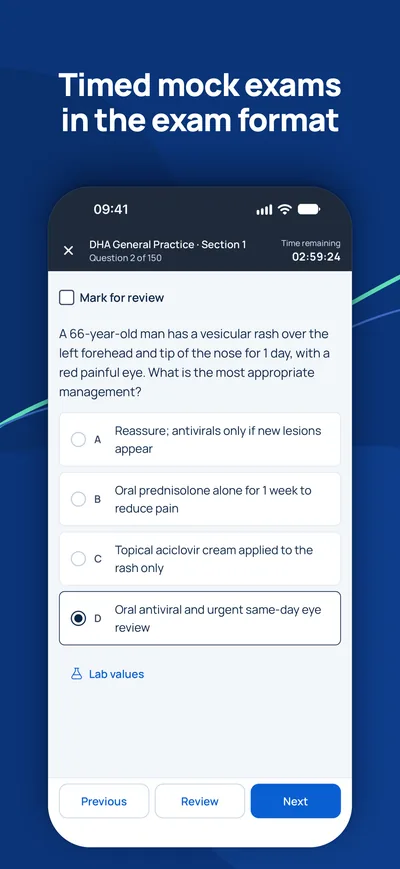
Travaillez les chapitres thème par thème, révisez les notes essentielles, puis entraînez-vous avec des examens blancs chronométrés au format de votre autorité.
Questions
Combien de temps dure l’accès ?+
L’accès dure 90 jours à partir du paiement pour le pays et la profession choisis.
Quels appareils puis-je utiliser ?+
Tout navigateur sur ordinateur, tablette ou téléphone, ainsi que l’application MediFlow avec le même compte.
Puis-je être remboursé ?+
Veuillez lire notre politique de remboursement avant l’achat. Politique de remboursement

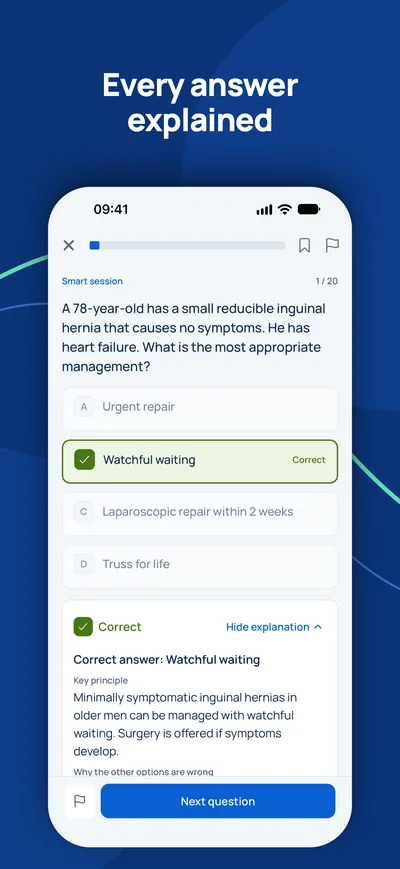
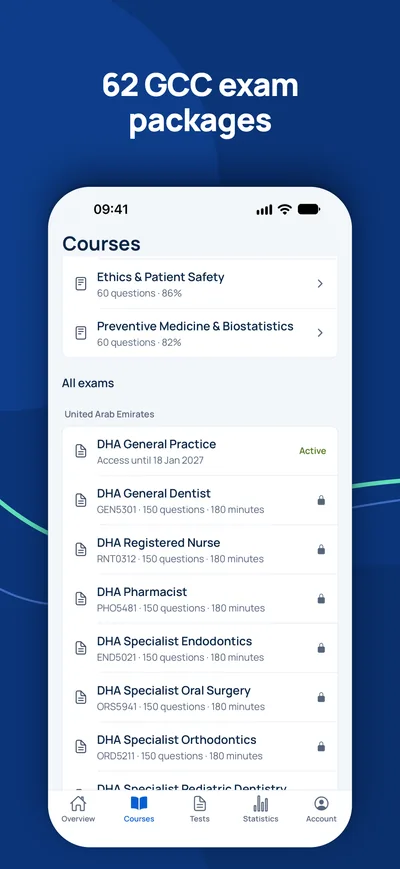
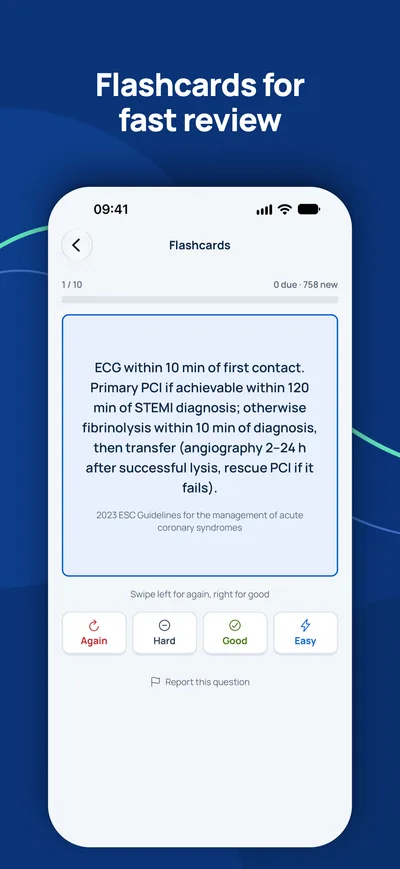
iPhone · iPad
GCC Medical Exam Prep
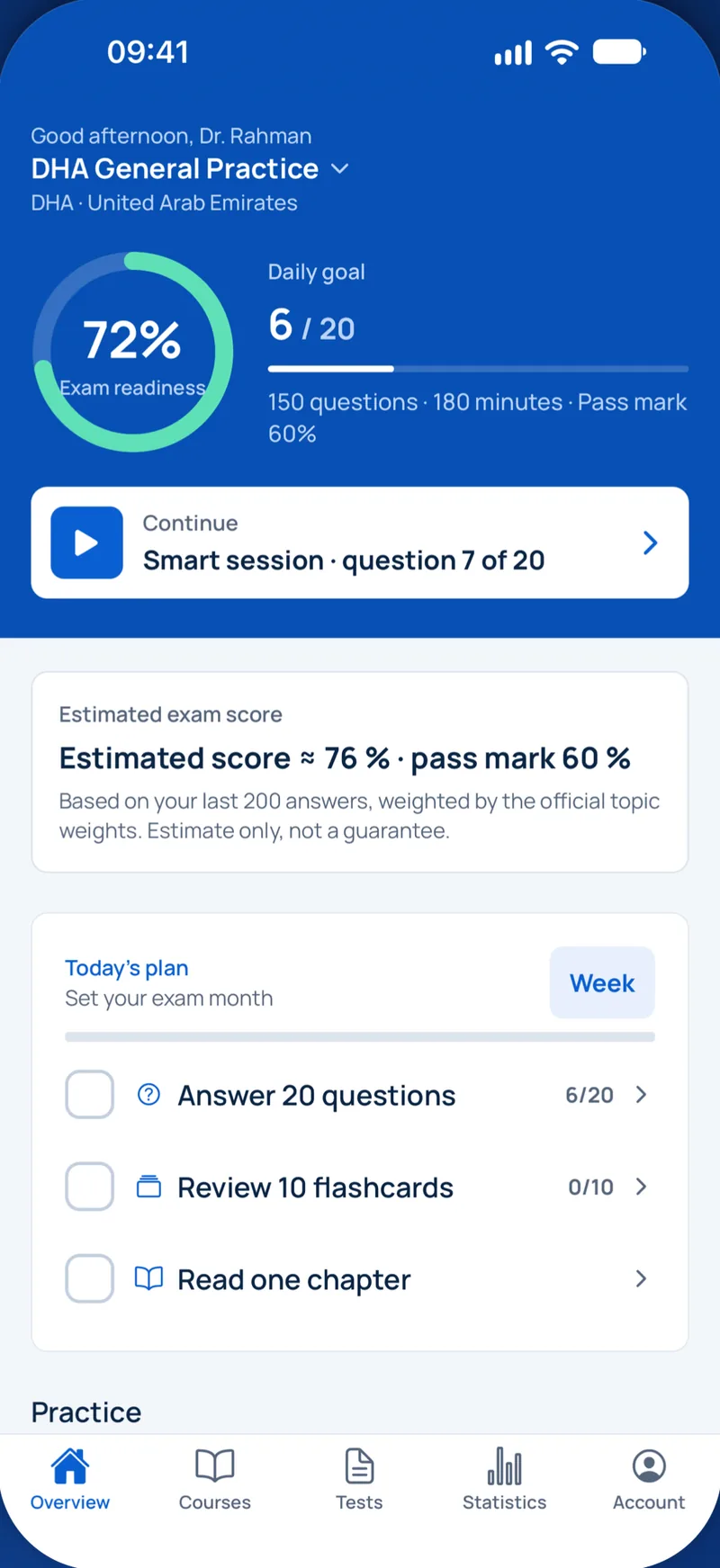
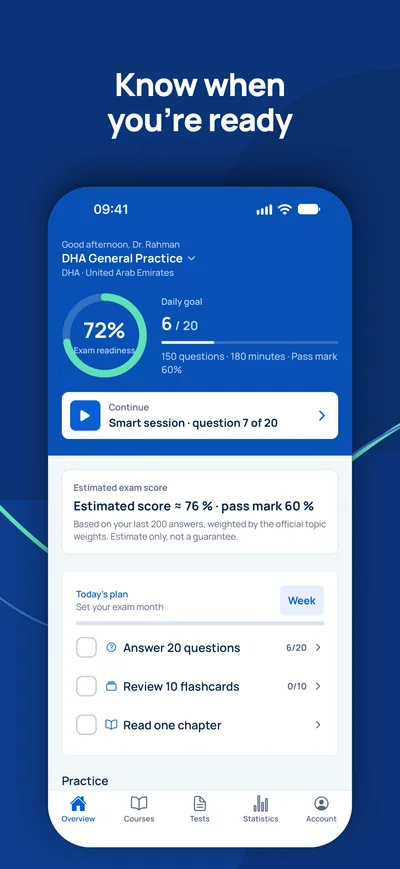
Préparez sur votre iPhone les examens de licence DHA, DOH, MOHAP, SCFHS et d’autres pays du Golfe.
L’examen est-il votre seule étape restante ?
Vérifiez d’abord si vous avez besoin de l’examen et quel titre vous pouvez obtenir. Un conseiller répond gratuitement à vos questions.
Vérification d’éligibilité- 1Consultation gratuite par vidéo, téléphone ou WhatsApp
- 2Vérification d’éligibilité selon les exigences officielles
- 3Votre plan avec des prix fixes et des étapes claires