Primary care
Family Medicine
Family medicine is the specialty that holds primary care together, and Gulf health systems are building their outpatient services around it. Here you will find how family physicians are licensed in the region and which exams matter.
The role of the family physician
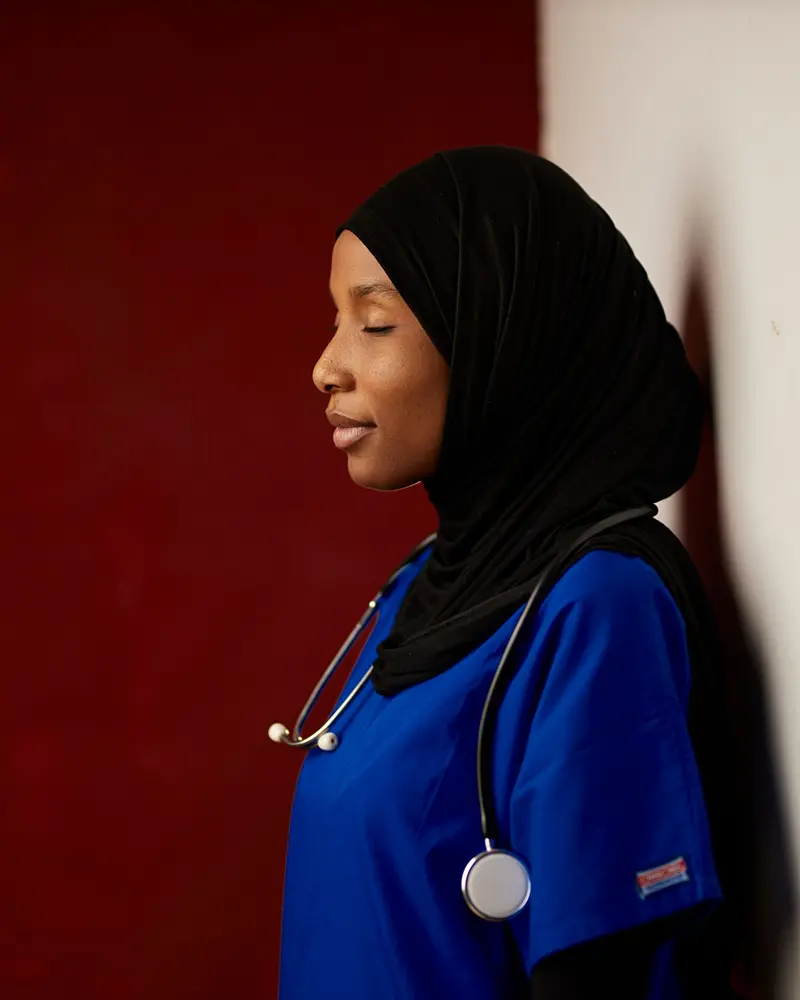
Family physicians care for the same patients over many years: newborns and their parents, adolescents, pregnant women, working adults and frail elderly people. Unlike a general practitioner without postgraduate training, a family medicine specialist has completed structured training in this broad, longitudinal approach.
Key areas of work include:
- Chronic disease management: type 2 diabetes, hypertension, asthma, COPD, thyroid disorders and chronic kidney disease
- Prevention: vaccinations, cancer screening, cardiovascular risk assessment and premarital screening
- Maternal and child health: antenatal care in low-risk pregnancies, well-child checks and growth monitoring
- Mental health: recognising and treating depression and anxiety in primary care
In the Gulf, family physicians work in government primary health centres, which are often organised as family health teams, and in private clinics. Many also take on teaching, quality improvement and coordination roles, as family medicine increasingly acts as the gatekeeper to hospital services.
Specialist training around the world
Family medicine is a recognised specialty in many countries, but training structures differ considerably:
- Germany: the Facharzt für Allgemeinmedizin, with rotations in inpatient care and a substantial period in general practice, completed with an exam at the medical chamber
- United Kingdom: GP specialty training leading to MRCGP and a CCT, which is treated as a specialist qualification in many Gulf assessments
- United States and Canada: family medicine residency followed by board examination (ABFM) or CCFP
- Arab and Saudi Boards: structured residency programmes in family medicine, widely known in the region
- India: MD or DNB in Family Medicine, a relatively young but growing route
In addition, there are diplomas and membership qualifications, for example from Irish or Australian colleges. Whether such qualifications count as full specialist training depends on their structure and duration, which is why an individual assessment is important.
Recognition as Specialist or Consultant
In DHA, DOH and MOHAP systems, family physicians with a recognised postgraduate qualification can be licensed as Specialist or Consultant in family medicine. The distinction rests on your qualification and on how much clinical experience you have gained after completing specialist training. Consultant status generally requires a higher-level qualification and substantially more post-specialist experience.
The process typically includes:
- Primary Source Verification of your diplomas, specialist certificate, licences and experience letters
- Equivalence assessment: the authority compares your training with its own classification of qualifications; a German Facharzt für Allgemeinmedizin, MRCGP or ABFM status is evaluated on that basis
- Exam, interview or exemption: depending on your qualification, you may sit a specialist exam, attend a structured interview or be exempt
Saudi Arabia, Qatar, Oman, Bahrain and Kuwait apply similar categories with their own rules. Since criteria are updated regularly, MediFlow checks your situation individually rather than relying on generic rules.
Demand and career paths
Across the Gulf, health strategies place strong emphasis on primary care and prevention. Growing, increasingly older populations and the high prevalence of diabetes, obesity and cardiovascular risk factors make long-term outpatient care a priority. Family medicine is therefore central to both government and private healthcare plans.
Family physicians find positions in government health centres, hospital outpatient departments, private multi-specialty clinics and corporate health services. With growing experience, roles in clinical leadership, medical directorships and residency teaching become possible.
Internationally, family medicine remains one of the most mobile specialties. A Gulf licence combined with a recognised specialist qualification opens doors in other regions, and the clinical breadth gained in a multinational patient population is a valuable asset.
Exams and how to prepare
Depending on your background, the following assessments may be relevant:
- DHA specialist exam in family medicine for applicants who are not exempt
- DOH and MOHAP assessments, including exams or interviews depending on qualification
- SCFHS classification and, where required, specialty exams in Saudi Arabia
- International: MRCGP (AKT), ABFM, Arab Board or Saudi Board exams in family medicine
Family medicine exams test breadth: chronic disease guidelines, paediatrics and adolescent health, women's health, geriatrics, dermatology, mental health, evidence-based prevention and practice management. Many questions combine several problems in one patient.
MediFlow Exam Prep helps with a family medicine question bank, explanations that link each answer to current practice, and mock exams in exam format so you can test your timing before the real assessment.
Matching exams and courses
Prepare with question banks and timed mock exams in the format of the respective exam.
- DHADHA Specialist Family MedicineView course
- DHADHA Consultant Family MedicineView course
- DOHDOH Specialist/Consultant physician CBT (Anesthesia, Dermatology, Internal Medicine, Family Medicine, Pediatrics, ENT, General Surgery, OB/GYN; consultant also Ophthalmology)View course
- SCFHSSCFHS Physician specialty classification exams (Internal Medicine, Family Medicine, Pediatrics, OB/GYN, General Surgery, Anesthesia, Emergency, Psychiatry and others)View course
- DHPQatar specialist physician qualifying exams (34 specialties)View course
Frequently asked questions
Can I work as a Consultant in Dubai with a German Facharzt für Allgemeinmedizin?
It is possible, but it depends on your experience after obtaining the Facharzt. The German specialist title is generally assessed as a specialist qualification. Whether you are classified as Specialist or Consultant depends on the authority's criteria and the length and level of your post-specialist experience. We review your certificates and work history before you apply.
Is MRCGP enough to be licensed as a family medicine specialist?
MRCGP together with a completed UK GP training is generally treated as a specialist qualification in Gulf systems. Authorities still check the full training pathway, your licence history and experience. Depending on the authority, you may be exempt from the written exam or invited to an interview. We clarify which route applies in your case.
What is the difference between a GP and a family medicine specialist in the Gulf?
A General Practitioner usually holds a basic medical qualification with internship and experience, without completed specialist training. A family medicine specialist has finished a structured postgraduate programme. This affects your licence title, your scope of practice and often your position within the clinic. The two categories also have different exams and assessment criteria.
Which topics should I focus on for the family medicine specialist exam?
Expect a strong focus on chronic disease management, especially diabetes, hypertension and dyslipidaemia, as well as preventive care, vaccination schedules, women's and child health, mental health and geriatrics. Questions often present complex patients with several conditions. MediFlow Exam Prep groups questions by these themes and explains the reasoning behind each answer.
Do I need recent clinical experience to apply?
In most cases, yes. Gulf authorities usually expect that you have been working clinically in your specialty recently. A longer gap can lead to additional conditions, such as a supervised period. The exact handling varies between authorities. If you have had time away from practice, we assess the options together before you start the application.