Eye, ENT & skin
ENT (Otorhinolaryngology)
Otorhinolaryngology covers everything from hearing loss and sinus disease to head and neck cancer, and ENT surgeons are needed across Gulf hospitals and clinics. This page explains how foreign-trained ENT specialists are graded, which exams apply and how MediFlow helps.

What ENT surgeons do
ENT surgeons, also called otorhinolaryngologists, diagnose and treat disorders of the ear, nose, paranasal sinuses, throat, larynx and the wider head and neck region. The specialty combines outpatient medicine, such as endoscopy, audiology and vertigo assessment, with a broad range of surgery, from tonsillectomy and grommet insertion in children to endoscopic sinus surgery, middle ear surgery and complex tumour resections.
Key subspecialty areas include:
- Otology and neurotology, including cochlear implants
- Rhinology and anterior skull base surgery
- Head and neck oncology and thyroid surgery
- Laryngology and voice disorders
- Paediatric ENT
- Facial plastic surgery
- Sleep surgery for obstructive sleep apnoea
ENT surgeons work in hospital departments, day-surgery centres and private clinics. They cooperate with audiologists, speech therapists, oncologists, sleep medicine and anaesthesia, and they regularly manage airway emergencies, epistaxis and deep neck infections.
Training routes worldwide
Specialist training in ENT is a multi-year surgical programme in most countries. In Germany, doctors complete the Weiterbildung to become Facharzt für Hals-Nasen-Ohrenheilkunde, which includes a defined catalogue of operations alongside audiology, allergology and conservative care. In the United Kingdom, trainees complete core surgical training and then higher specialty training leading to the CCT and the Intercollegiate FRCS in Otolaryngology, typically after the MRCS (ENT).
In the United States, residency concludes with the American Board of Otolaryngology exams. In the Arab region, the Arab Board and the Saudi Board in otorhinolaryngology and head and neck surgery are common, and in India the MS ENT or the DNB is widely held. Fellowships in otology, rhinology, head and neck or facial plastic surgery are frequent next steps and can make a difference when applying for senior positions.
Keep your surgical logbook up to date throughout training: in the Gulf, it is often requested alongside the specialist certificate.
Recognition in the Gulf states
DHA in Dubai, DOH in Abu Dhabi and MOHAP for the other Emirates evaluate the equivalence of your specialist training and then assign a grade. In general, ENT surgeons with a recognised specialist title and limited experience after it are licensed as Specialist. Consultant grading usually requires a higher qualification or several years of independent surgical practice after specialist training. The details depend on the authority and your training country.
Every file includes Primary Source Verification of your medical degree, specialist certificate, licences and employment history, carried out directly with the issuing institutions. Following the equivalence assessment, you may sit a Specialist exam, attend an interview or be exempt from testing.
Surgical privileges, for example for cochlear implantation, skull base or major head and neck surgery, are usually granted separately by the facility based on documented experience. Since regulations change, MediFlow reviews each case individually.
Career outlook in the Gulf and beyond
Several regional factors make ENT a busy specialty in the Gulf. Dust, sandstorms and air-conditioned environments contribute to allergic rhinitis and chronic rhinosinusitis. Obesity is common, which increases the number of patients with obstructive sleep apnoea. Consanguinity in some communities is associated with a higher rate of hereditary hearing loss, which supports newborn hearing screening and cochlear implant programmes. A young population means many paediatric ENT cases.
Private hospitals, day-surgery centres and medical tourism in Dubai and Abu Dhabi add demand for rhinology, facial plastic and sleep surgery. Internationally, subspecialty skills in otology, head and neck oncology or skull base surgery are highly portable and can lead to senior and teaching roles.
Relevant exams and how MediFlow Exam Prep helps
Depending on your training and the authority, these assessments may be relevant:
- DHA Specialist assessment in ENT for Dubai
- Qualification review and, if needed, an exam for DOH or MOHAP
- SCFHS classification in Saudi Arabia and comparable processes in Qatar, Oman, Bahrain and Kuwait
- International exams such as MRCS (ENT), FRCS (ORL-HNS), the American Board of Otolaryngology or the German Facharztprüfung
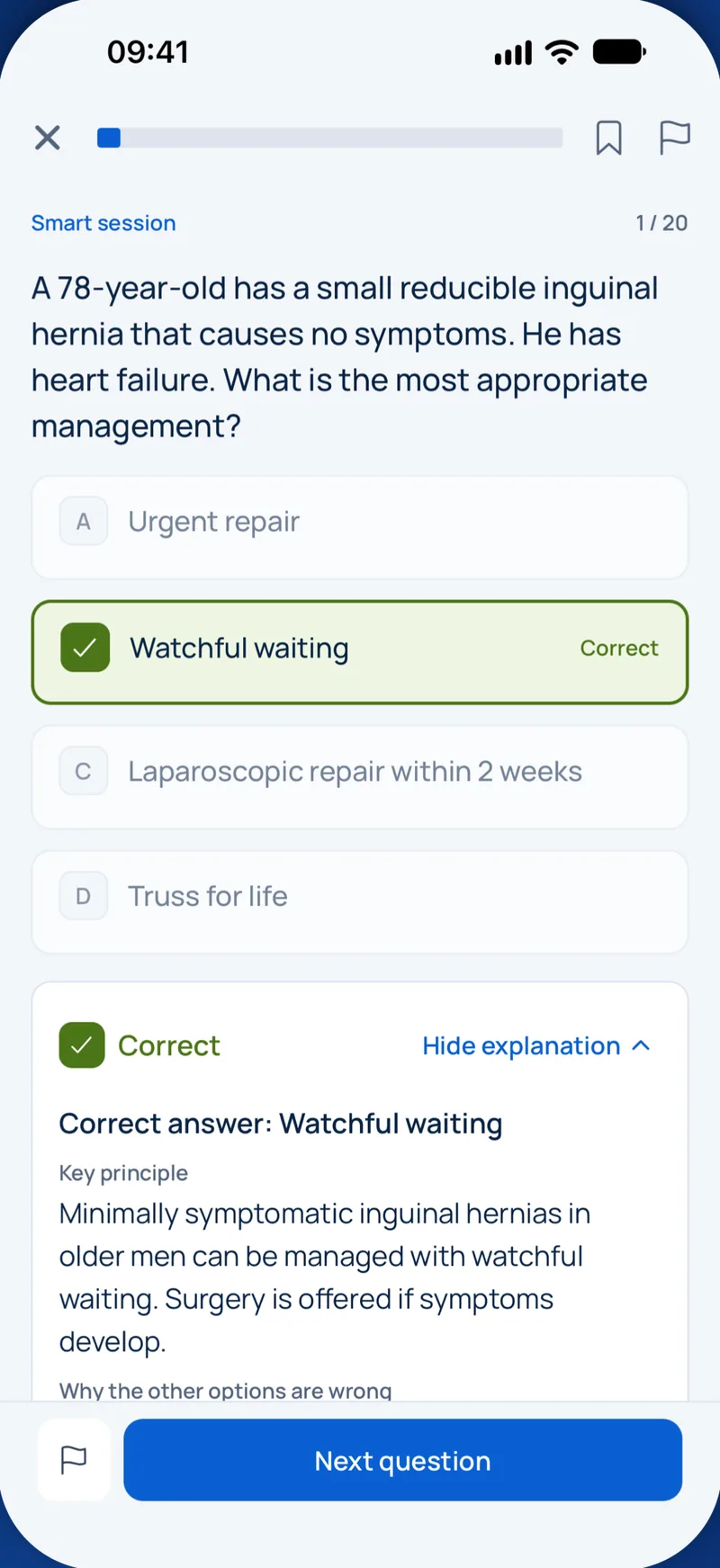
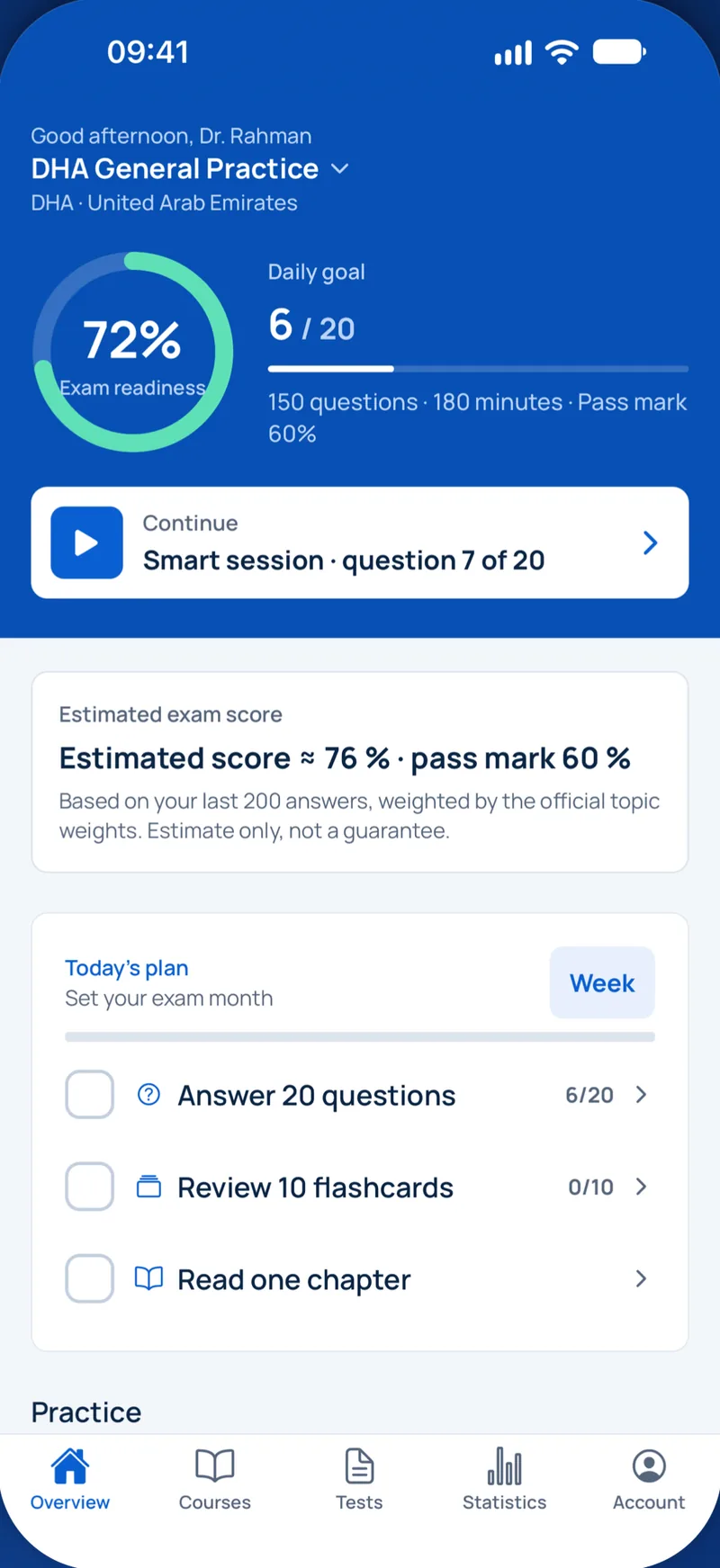
ENT licensing exams usually cover head and neck anatomy, audiology and vestibular testing, airway management, sinus and skull base disease, head and neck tumours, paediatric ENT and surgical complications. MediFlow Exam Prep offers a question bank with explanations and mock exams in the real format, so you can practise clinical scenarios and revise topics like audiogram interpretation.
Matching exams and courses
Prepare with question banks and timed mock exams in the format of the respective exam.
- DHADHA Specialist OtolaryngologyView course
- DOHDOH Specialist/Consultant physician CBT (Anesthesia, Dermatology, Internal Medicine, Family Medicine, Pediatrics, ENT, General Surgery, OB/GYN; consultant also Ophthalmology)View course
- SCFHSSCFHS Physician specialty classification exams (Internal Medicine, Family Medicine, Pediatrics, OB/GYN, General Surgery, Anesthesia, Emergency, Psychiatry and others)View course
- DHPQatar specialist physician qualifying exams (34 specialties)View course
Frequently asked questions
Can I work as a Consultant ENT surgeon in Dubai with a German Facharzt?
Yes, if you have sufficient independent experience after your Facharzt für Hals-Nasen-Ohrenheilkunde. Recently qualified specialists are usually licensed as Specialist first. Consultant grading generally requires several years at senior level, such as Oberarzt, or a higher qualification. MediFlow reviews your documents in advance and estimates the grade you can realistically expect.
Do I need the FRCS to work as an ENT surgeon in the UAE?
No. National specialist qualifications such as the German Facharzt, the American Board or the Arab Board can be accepted after an equivalence review. The FRCS (ORL-HNS) may simplify the process with some authorities and may lead to exam exemption. Which route makes sense depends on where you trained and how you plan your career.
Will I be allowed to perform cochlear implant or skull base surgery?
Highly specialised procedures are usually subject to separate privileges granted by the hospital. You will need to document relevant training, fellowships and case numbers. Having a detailed, signed logbook ready from the start makes this process faster and supports your application for a subspecialty role.
Which topics should I revise for a Gulf ENT exam?
Focus on head and neck anatomy, audiogram and tympanogram interpretation, vertigo, chronic otitis media and cholesteatoma, sinusitis and its complications, airway emergencies, thyroid and salivary gland disease, and paediatric ENT. Questions are often case-based. MediFlow Exam Prep covers these areas with explanations for every answer.
Is there demand for paediatric ENT in the Gulf?
Yes, the young population means many children present with adenotonsillar disease, otitis media with effusion and hearing problems, and newborn hearing screening leads to early referrals. Experience in paediatric airway and hearing care is valued by hospitals. Specific privileges depend on your documented training and the facility.