Women & children
Paediatrics
Paediatricians are needed wherever young families settle, and the Gulf has some of the youngest populations in the world. This page explains how your paediatric training is assessed for a licence and how to prepare for the exams that may come with it.
What paediatricians do
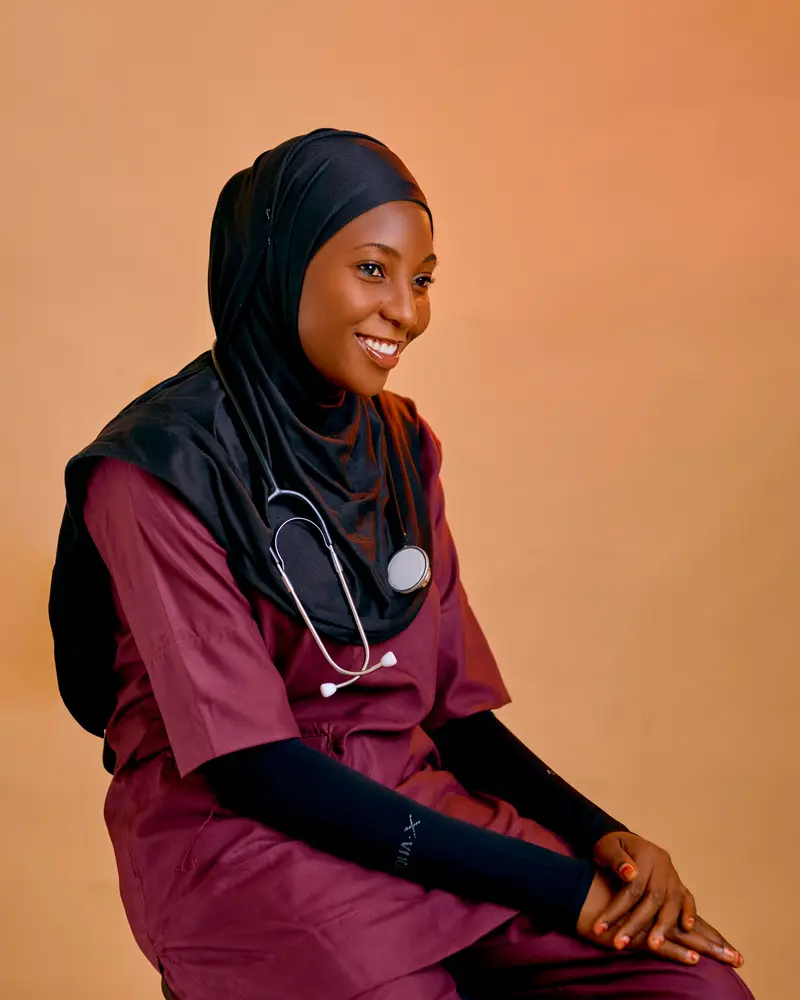
Paediatrics covers the health of patients from birth through adolescence. General paediatricians see acute illness such as respiratory infections, gastroenteritis and febrile convulsions, follow growth and development, run vaccination programmes and coordinate care for children with long-term conditions. Because children are not small adults, dosing, investigations and communication with parents all follow their own rules.
Many paediatricians work in a defined subspecialty. Common ones include:
- Neonatology – care of premature and sick newborns in neonatal intensive care units
- Paediatric cardiology – congenital heart disease and rhythm disorders
- Paediatric endocrinology – type 1 diabetes, growth and puberty disorders
- Paediatric gastroenterology, nephrology, neurology and haemato-oncology
- Paediatric emergency medicine and paediatric intensive care
Working environments range from busy emergency departments and inpatient wards in large hospitals to outpatient clinics, private polyclinics and school health services. In the Gulf region, inherited conditions are a notable part of practice: haemoglobinopathies such as sickle cell disease and thalassaemia, and inborn errors of metabolism are seen more often where consanguineous marriage is common, and newborn screening plays an important role.
How paediatric training works around the world
Specialist training in paediatrics follows medical school and an internship or foundation period, and in most countries takes several years of supervised practice. The structure differs from system to system:
- Germany: the Weiterbildung in Kinder- und Jugendmedizin is completed in recognised training posts and ends with the Facharzt examination before the regional medical chamber. Subspecialties such as neonatology are added through further training.
- United Kingdom: run-through specialty training leads to the MRCPCH and, on completion, the CCT, after which doctors may enter the specialist register.
- United States and Canada: a paediatric residency, typically three years, followed by board examinations; fellowships add subspecialty training.
- Arab and Saudi Boards: structured residency programmes ending in board examinations that are widely used across the region.
- India and Pakistan: MD or DNB in Paediatrics in India, FCPS in Pakistan, often with additional diplomas in child health.
Regulators in the Gulf look closely at the length and content of training, whether it took place in a structured programme and how the final qualification was obtained. Rotations in neonatology and paediatric emergency care are usually part of a complete training record.
Recognition of your paediatric title in the Gulf
In the licensing systems of DHA, DOH and MOHAP, physicians are classified into professional grades. For paediatricians, the key distinction is between Specialist and Consultant. The grade depends on the type of qualification and on the amount of post-specialist experience. Consultant status generally requires a higher-level qualification or a longer period of independent practice after completing specialist training.
Every application begins with Primary Source Verification. Your medical degree, specialist certificate, licences and employment history are confirmed directly with the issuing institutions, usually through DataFlow. Missing or inconsistent documents are one of the most frequent causes of delay, so dates and job titles should match across all papers.
The authority then assesses equivalence: is your qualification comparable to the standard it expects for paediatrics? Depending on your certificate, you may be asked to pass a specialist assessment, attend an interview, or you may be exempted from the exam. Some qualifications are treated more favourably than others, and rules differ between authorities and change over time. MediFlow reviews your individual case before you apply so that you know which route is likely to apply to you.
Career prospects for paediatricians
The Gulf states have young and growing populations, with a large share of children and many expatriate families. This creates steady demand for general paediatricians and for subspecialists in both government and private hospitals. Large women's and children's hospitals, private maternity and paediatric centres and community clinics all recruit paediatric staff.
Several clinical themes shape the work: neonatal care for premature babies, management of childhood obesity and type 1 diabetes, allergies and asthma, and long-term care for children with inherited blood and metabolic disorders. Subspecialists in neonatology, paediatric intensive care and paediatric endocrinology are particularly sought after in many settings.
Internationally, paediatric experience gained in the Gulf is well regarded because of the broad case mix. Many doctors combine clinical work with teaching residents or contributing to newborn screening and vaccination programmes.
Exams for paediatricians and how to prepare
Which exam you face depends on your qualification and the authority:
- DHA specialist exam in paediatrics for applicants who are not exempt
- DOH and MOHAP assessments, which may include a written exam or a structured interview
- SCFHS classification in Saudi Arabia, with its own assessment where required
- International exams such as MRCPCH, the US paediatric boards or the German Facharzt examination, which can influence the grade you receive
Typical exam content includes neonatal resuscitation and jaundice, growth and development milestones, vaccination schedules, infectious diseases, fluid and electrolyte management, congenital heart disease, paediatric emergencies and genetic and metabolic conditions.
MediFlow Exam Prep supports you with a paediatric question bank in the style of the specialist exams, detailed explanations for every answer and timed mock exams that mirror the real format. You can track weak topics and revise them in a focused way before exam day.
Matching exams and courses
Prepare with question banks and timed mock exams in the format of the respective exam.
- DHADHA Specialist PediatricsView course
- DHADHA Consultant PediatricsView course
- DHADHA Specialist Pediatric SurgeryView course
- NBEMSNEET SS paediatrics groupView course
- DOHDOH Specialist/Consultant physician CBT (Anesthesia, Dermatology, Internal Medicine, Family Medicine, Pediatrics, ENT, General Surgery, OB/GYN; consultant also Ophthalmology)View course
- SCFHSSCFHS Physician specialty classification exams (Internal Medicine, Family Medicine, Pediatrics, OB/GYN, General Surgery, Anesthesia, Emergency, Psychiatry and others)View course
- DHPQatar specialist physician qualifying exams (34 specialties)View course
Frequently asked questions
Can I work as a Consultant Paediatrician in Dubai with a German Facharzt?
It is possible, but it depends on your experience after the Facharzt and on how DHA assesses your qualification. Many doctors with a German specialist title are first classified as Specialist and can move to Consultant level later with more experience or additional qualifications. MediFlow checks your documents and experience in advance and tells you which grade is realistic before you submit your application.
Do neonatologists need a separate licence?
Neonatology is usually licensed as a subspecialty of paediatrics. Authorities look at whether you have completed structured neonatal training and how much independent experience you have in a neonatal intensive care unit. Without documented subspecialty training, you would normally be licensed as a general paediatrician. Keep logbooks and training confirmations ready, as they help the assessment.
Is MRCPCH required to work as a paediatrician in the UAE?
No, it is not the only route. MRCPCH is widely known in the region, but authorities also assess other specialist qualifications such as European, North American, Arab Board or Indian degrees. Whether you need to sit an additional exam depends on your specific qualification. MediFlow can explain which route fits your training.
Which topics come up most in the paediatric specialist exam?
Questions often cover neonatal care, growth and development, vaccinations, common infections, paediatric emergencies, fluid management, congenital heart disease and inherited conditions such as thalassaemia. Clinical scenarios with treatment decisions are typical. The MediFlow Exam Prep question bank is structured along these areas and includes explanations for each answer.
How long does the licensing process take for paediatricians?
The timeline depends on how quickly your documents are verified, whether an exam is required and how busy the authority is. Primary Source Verification can take several weeks if institutions respond slowly. Preparing complete and consistent documents from the start helps avoid delays. MediFlow guides you through each step and keeps track of open items.