Internal medicine
Endocrinology
Endocrinology is one of the most needed medical specialties in the Gulf, where diabetes, obesity and thyroid disease shape daily practice. This page explains how endocrinologists from abroad are graded, licensed and prepared for their exams.
What endocrinologists do
Endocrinologists diagnose and manage disorders of the hormone-producing glands and of metabolism. Much of the work is long-term care: patients with type 1 and type 2 diabetes, thyroid dysfunction, osteoporosis or lipid disorders are often followed for years, with regular adjustment of medication, technology and lifestyle advice.
Typical conditions include:
- Diabetes mellitus in all forms, including insulin pump and continuous glucose monitoring management, gestational diabetes and diabetic complications
- Thyroid disease such as hyperthyroidism, hypothyroidism, nodules and thyroid cancer follow-up
- Obesity and metabolic syndrome, including medical weight management and pre- and post-bariatric care
- Pituitary and adrenal disorders, for example Cushing syndrome, adrenal insufficiency, prolactinoma or acromegaly
- Bone and calcium metabolism, including vitamin D deficiency, which is common in the region despite the sunshine
- Reproductive endocrinology such as polycystic ovary syndrome and hypogonadism
Subspecialty interests include paediatric endocrinology, diabetes technology, neuroendocrinology and endocrine oncology. Endocrinologists work in hospital outpatient clinics, dedicated diabetes centres and private polyclinics, and they collaborate closely with diabetes educators, dietitians, ophthalmologists, nephrologists and endocrine surgeons.
Training routes worldwide
In most countries endocrinology builds on a period of general internal medicine. The structure differs, but the principle is the same: a broad medical foundation followed by dedicated training in diabetes and endocrinology.
- Germany: Facharzt for internal medicine and endocrinology and diabetology, a multi-year Weiterbildung that combines internal medicine with the specialty, ending in an examination at the Ärztekammer.
- United Kingdom: internal medicine training with MRCP, followed by higher specialty training in diabetes and endocrinology leading to a CCT, often together with general internal medicine.
- United States: internal medicine residency with the ABIM board, then an endocrinology, diabetes and metabolism fellowship and the corresponding subspecialty board.
- Arab and Saudi Boards: internal medicine board followed by an endocrinology fellowship programme within the Saudi Commission or Arab Board structure.
- India: MD in general medicine followed by DM or DNB in endocrinology.
Paediatric endocrinologists usually train via paediatrics first. Because the routes vary in length and content, Gulf authorities look at the full pathway rather than only the final title.
Recognition of your specialist title in the Gulf
Health authorities in the UAE and neighbouring countries grade physicians as Specialist or Consultant. The grading depends on the type of qualification and on the clinical experience gained after completing specialist training. A Consultant title generally requires a higher-level qualification and several years of independent practice in endocrinology, while a Specialist grade is the usual entry point for newly qualified endocrinologists.
The process typically includes:
- Primary source verification of your medical degree, specialist title, licences and employment history, usually carried out through DataFlow
- An equivalence assessment in which the authority compares your training with its own requirements, for example whether endocrinology was completed as a separate specialty or as part of internal medicine
- An assessment step, which can be a specialist examination, an interview or an exemption, depending on your qualification and the authority
DHA, DOH and MOHAP each apply their own rules, and these change from time to time. A German Facharzt with a combined internal medicine and endocrinology title may be assessed differently from a UK CCT holder. MediFlow reviews your documents individually and tells you which grade is realistic before you apply.
Demand and career prospects
Diabetes and obesity are among the most widespread chronic conditions in the Gulf, and related problems such as fatty liver disease, kidney damage and cardiovascular risk increase the need for experienced endocrinologists. A young and growing population, rising awareness of metabolic health and national screening initiatives keep outpatient clinics busy.
Endocrinologists find positions in government hospitals, academic centres, large private hospital groups and specialised diabetes institutes. Private practice offers room for focused services such as diabetes technology clinics, thyroid ultrasound and obesity programmes. Interest in gestational diabetes and paediatric diabetes is also growing.
Gulf experience is valued internationally, as the region offers a high volume of complex metabolic cases and a multinational patient population.
Relevant exams and how MediFlow Exam Prep helps
Depending on your background and target country, the following assessments can play a role:
- DHA specialist examination in endocrinology or internal medicine, if no exemption applies
- DOH and MOHAP assessment, which may involve an exam or a structured interview
- SCFHS classification in Saudi Arabia, sometimes with an assessment exam
- International exams such as MRCP and the Specialty exam (SCE) in Endocrinology and Diabetes, the ABIM endocrinology board or the German Facharztprüfung
Exam content usually covers diabetes management and insulin regimens, diabetic emergencies such as DKA and hyperosmolar states, thyroid function interpretation, dynamic endocrine testing, adrenal crisis, calcium disorders and endocrine pharmacology.
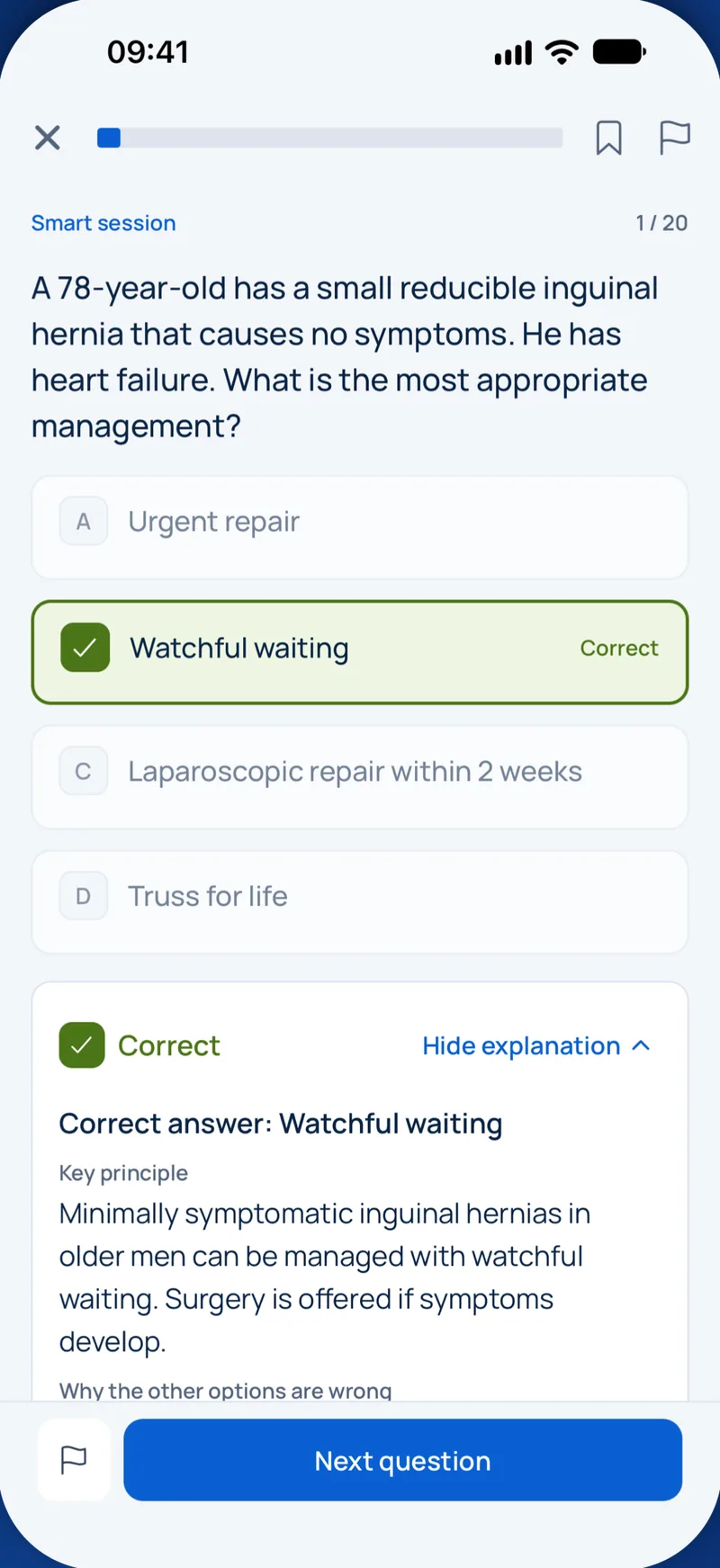
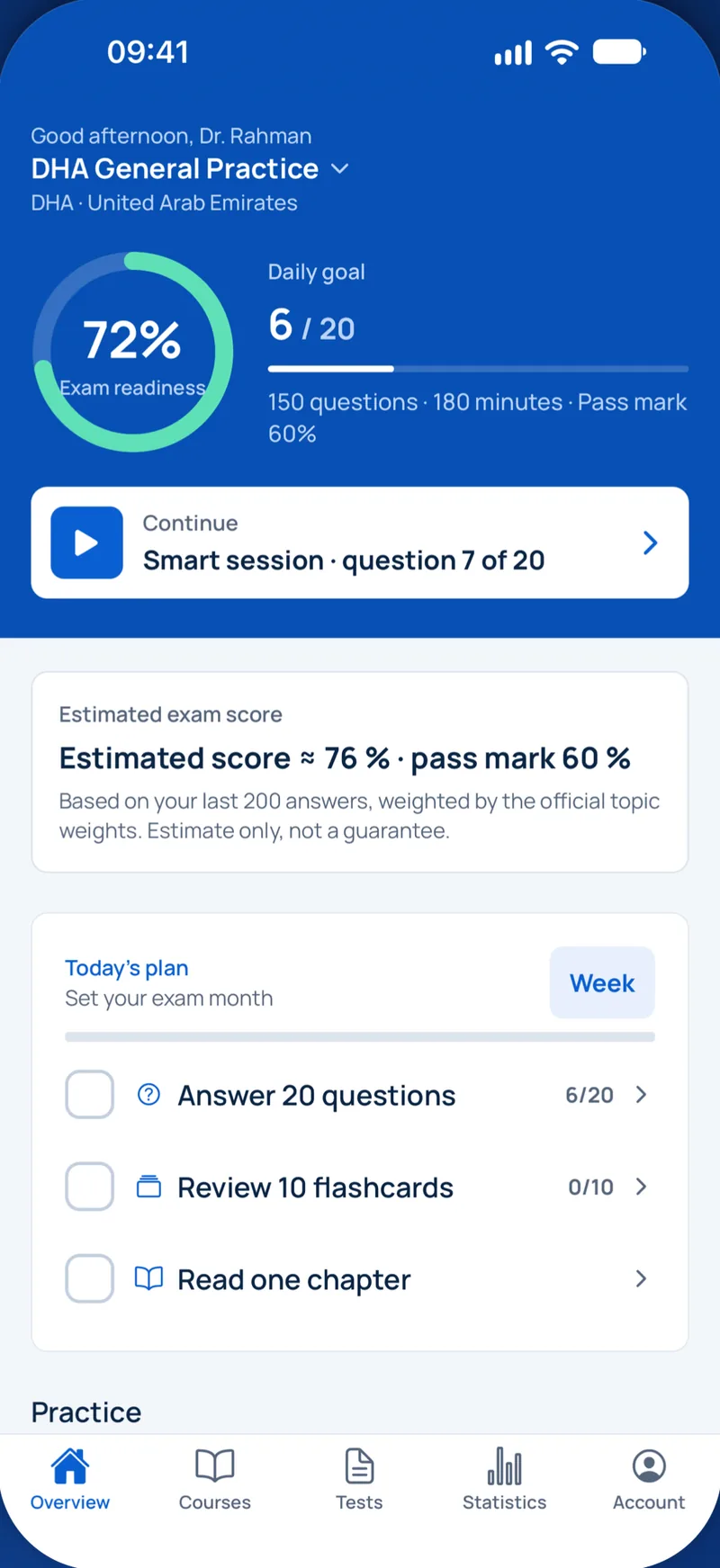
MediFlow Exam Prep provides a question bank with detailed explanations, topic-based practice and mock exams in the format of the Gulf licensing exams, so you can identify gaps and practise under realistic time pressure.
Matching exams and courses
Prepare with question banks and timed mock exams in the format of the respective exam.
- DHADHA Specialist EndocrinologyView course
- DHADHA Consultant EndocrinologyView course
- DOHDOH Specialist/Consultant physician CBT (Anesthesia, Dermatology, Internal Medicine, Family Medicine, Pediatrics, ENT, General Surgery, OB/GYN; consultant also Ophthalmology)View course
- SCFHSSCFHS Physician specialty classification exams (Internal Medicine, Family Medicine, Pediatrics, OB/GYN, General Surgery, Anesthesia, Emergency, Psychiatry and others)View course
- DHPQatar specialist physician qualifying exams (34 specialties)View course
Frequently asked questions
Can I work as a Consultant endocrinologist in Dubai with a German Facharzt?
It is possible, but it depends on your title and experience. Authorities look at whether you hold a dedicated endocrinology qualification and how many years you have practised independently after it. With limited post-specialist experience, a Specialist grade is more likely at first. MediFlow checks your documents and estimates the realistic grade before you submit an application.
Is a fellowship in endocrinology enough, or do I need an internal medicine qualification too?
Most authorities expect both: a completed internal medicine foundation and the endocrinology training on top. A US fellowship following ABIM residency or a UK CCT in diabetes and endocrinology usually covers this. Shorter fellowships without a full specialist title are assessed individually and may lead to a different grade.
Which topics come up most in the endocrinology licensing exam?
Diabetes in all its forms is the core, including insulin adjustment, new glucose-lowering drugs and emergencies. Thyroid disease, adrenal and pituitary disorders, calcium and bone metabolism and reproductive endocrinology follow. Questions are usually case-based and require interpretation of laboratory values and dynamic tests.
Can paediatric endocrinologists apply through the same route?
Paediatric endocrinologists are usually licensed under paediatrics with a subspecialty, so the assessment focuses on paediatric training plus the endocrine component. Exam content and the expected experience therefore differ from adult endocrinology. MediFlow helps you identify the correct category before you start verification.
How long does primary source verification take for an endocrinologist?
Duration depends on how quickly your university, specialist body and former employers respond to the verification request. Simple cases move faster, while documents from several countries take longer. Preparing complete and consistent paperwork from the start avoids most delays, and MediFlow reviews your file before submission.