Internal medicine
Oncology
Cancer care is one of the fastest developing areas of medicine in the Gulf, with new centres, tumour boards and screening programmes. Learn how your oncology training is assessed and how MediFlow prepares you for licensing and exams.

The role of the oncologist
Oncologists lead the non-surgical treatment of cancer. Medical oncologists focus on chemotherapy, targeted therapy, immunotherapy and hormonal treatment, while clinical oncologists in the British tradition also deliver radiotherapy. Both work closely with surgeons, radiologists, pathologists and palliative care teams in multidisciplinary tumour boards and manage patients across the whole course of disease, from diagnosis to survivorship or end-of-life care.
Breast cancer is among the most frequently diagnosed cancers in Gulf countries, often in younger women than in Europe, and colorectal, thyroid, lung and haematological cancers are also important. Many patients present at a later stage, which makes screening, early diagnosis and good communication with families especially important. Supportive care, management of treatment toxicity and molecular testing for personalised therapy are part of everyday work.
- Subspecialty focus: breast, gastrointestinal, thoracic, genitourinary, gynaecological, head and neck, neuro-oncology, haemato-oncology, paediatric oncology, cancer genetics.
- Settings: comprehensive cancer centres, oncology departments in government hospitals, private day-care chemotherapy units, palliative care services.
Training pathways in oncology
Oncology training builds on internal medicine and is a multi-year postgraduate pathway in most countries. The structure and name of the specialty vary considerably.
- Germany: oncology is part of the Facharzt für Innere Medizin und Hämatologie und Onkologie, combining general internal medicine with haematology and oncology; radiotherapy is a separate Facharzt für Strahlentherapie.
- United Kingdom: medical oncology training follows internal medicine training and MRCP and leads to a CCT; clinical oncology additionally requires the FRCR (Oncology).
- United States: internal medicine residency followed by a haematology and oncology fellowship; board-certified status through ABIM examinations.
- Arab and Saudi Boards: fellowship programmes in medical oncology after internal medicine, with board examinations.
- India: DM or DNB Medical Oncology after MD General Medicine, and MD Radiotherapy for radiation oncology.
Because names differ, authorities look at the content of training. It helps to document clearly whether your training covered haematology, radiotherapy or solid tumours only.
Licensing as an oncologist in the Gulf
DHA, DOH and MOHAP grade oncologists as Specialist or Consultant based on the postgraduate qualification and the experience gained after it. Consultant grading generally requires a higher qualification and several years of independent oncology practice. Authorities also check that the title matches the scope you intend to practise; a medical oncologist, a haemato-oncologist and a radiation oncologist are distinct categories.
All documents go through Primary Source Verification, typically via DataFlow, including your medical degree, specialist title, licences and employment letters. Training certificates should state your specialty precisely; vague titles can lead to queries or a different classification.
Depending on the qualification, you may be exempt from assessment, asked to sit a specialist examination or invited to an interview. Saudi Arabia, Qatar, Oman, Bahrain and Kuwait run comparable systems with their own rules. Requirements are updated from time to time, so MediFlow reviews your case individually before submission.
Demand and career development
Gulf governments are expanding cancer care with new oncology centres, national screening programmes and wider access to modern therapies, so that fewer patients need to travel abroad for treatment. Population growth, ageing, lifestyle-related risk factors and better diagnostics all contribute to more patients needing specialised oncology care.
Opportunities exist in government hospitals and in private groups that develop day-care chemotherapy and immunotherapy units. Experience with tumour boards, clinical trials, molecular diagnostics and palliative care is valued. Oncologists who communicate sensitively with patients and families from different cultures are particularly sought after. Internationally, oncology remains a specialty with persistent workforce needs.
Exams and preparation with MediFlow
- DHA specialist assessment in medical oncology or comparable DOH and MOHAP evaluations where no exemption applies.
- SCFHS classification for Saudi Arabia, with assessment if required.
- International qualifications such as the MRCP with Specialty Certificate Examination in Medical Oncology, the ESMO examination, the FRCR (Oncology), ABIM oncology examination or the German Facharztprüfung.
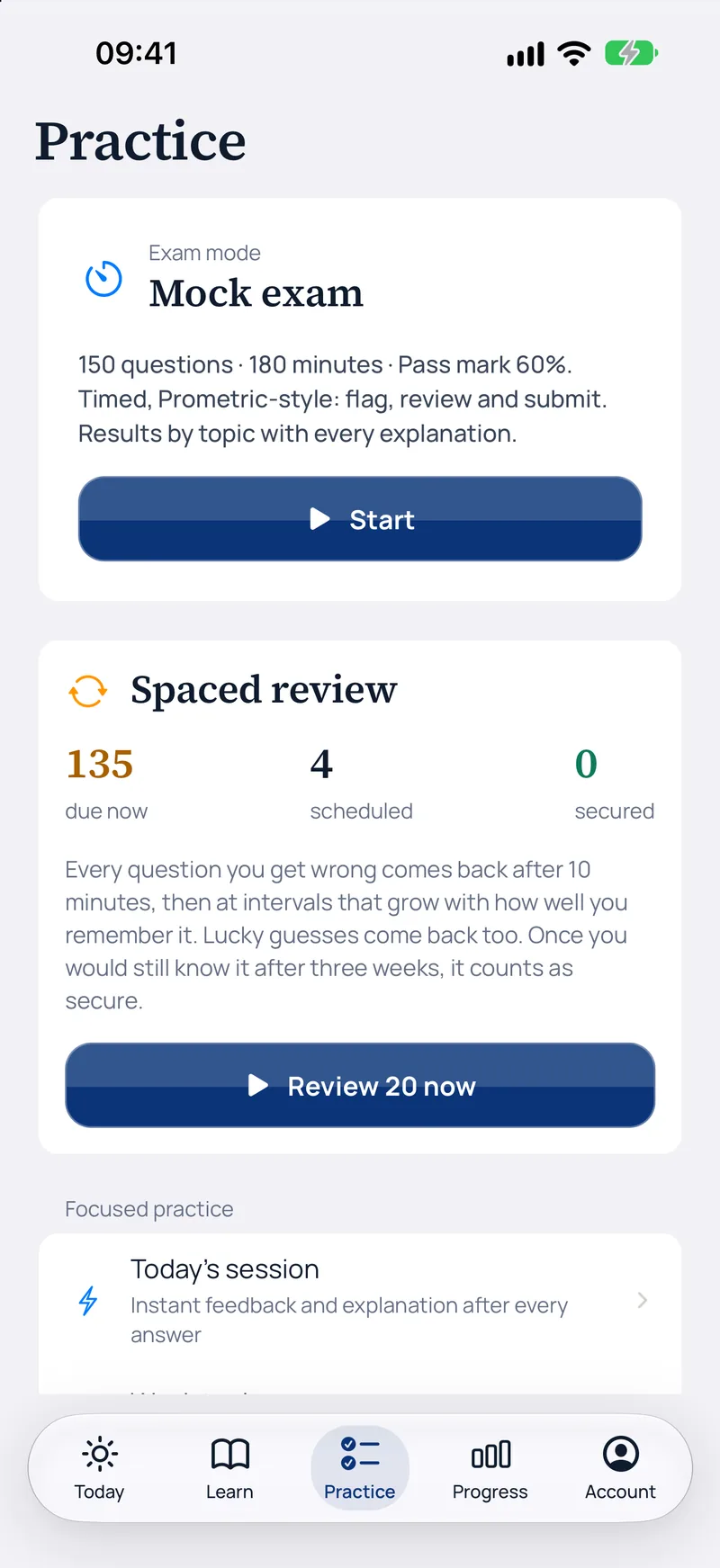
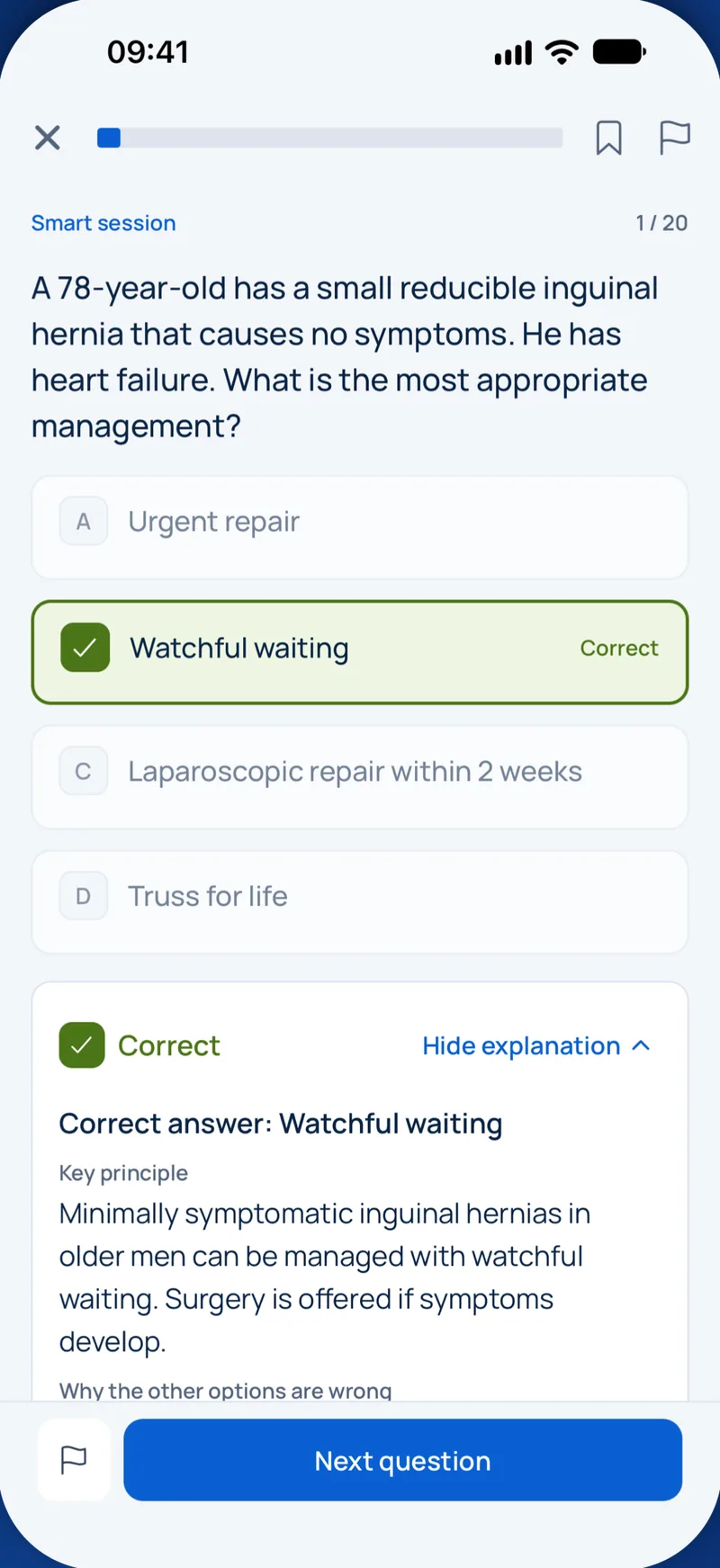
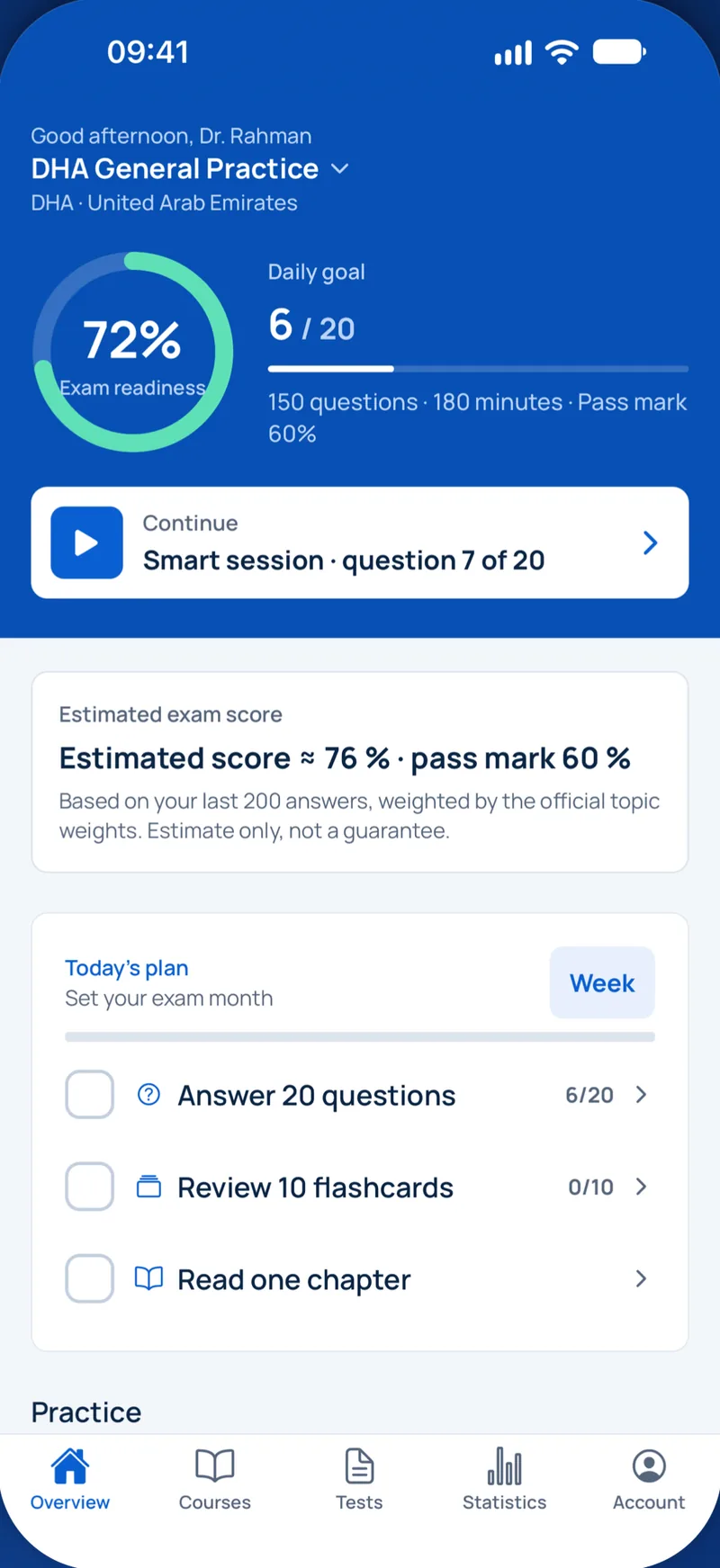
Oncology exams cover tumour biology, staging, systemic therapy regimens and their toxicities, immunotherapy side effects, oncological emergencies such as spinal cord compression or tumour lysis syndrome, supportive and palliative care, and the evidence behind treatment choices. MediFlow Exam Prep offers an oncology question bank with explanations, topic-based practice and mock exams in the exam format, so you can review guidelines systematically and practise case-based reasoning under time pressure.
Matching exams and courses
Prepare with question banks and timed mock exams in the format of the respective exam.
- DOHDOH Specialist/Consultant physician CBT (Anesthesia, Dermatology, Internal Medicine, Family Medicine, Pediatrics, ENT, General Surgery, OB/GYN; consultant also Ophthalmology)View course
- SCFHSSCFHS Physician specialty classification exams (Internal Medicine, Family Medicine, Pediatrics, OB/GYN, General Surgery, Anesthesia, Emergency, Psychiatry and others)View course
- DHPQatar specialist physician qualifying exams (34 specialties)View course
Frequently asked questions
Can I work as an oncologist in the UAE with the German Facharzt für Hämatologie und Onkologie?
Yes, this qualification is a sound basis for licensing. Because it combines internal medicine, haematology and oncology, the authority will decide which title and scope fit your training. Most applicants with this Facharzt are graded as Specialist initially; Consultant grading usually requires additional senior experience, for example as Oberarzt. MediFlow reviews your case before you apply.
Is radiation oncology licensed separately from medical oncology?
Yes, in general radiation oncology and medical oncology are treated as distinct specialties. If you trained as a clinical oncologist covering both systemic treatment and radiotherapy, the authority will look at the content of your training to decide your scope. Clear training certificates and a description of your duties help avoid queries.
What topics come up in an oncology specialist exam?
Typical topics are cancer biology and genetics, staging systems, treatment of breast, lung, colorectal, prostate and other common cancers, chemotherapy and targeted therapy toxicities, immune-related adverse events, oncological emergencies, supportive care, palliative medicine and trial interpretation. Many questions are clinical cases asking for the most appropriate next treatment step.
Do I need experience with tumour boards to be graded as Consultant?
Tumour board experience is not a formal licensing criterion, but Consultant grading reflects independent senior practice. Leading multidisciplinary meetings, supervising juniors and taking responsibility for treatment decisions are typical parts of such experience. Describing these duties in your experience letters gives the authority and future employers a clearer picture of your level.
How does MediFlow help oncologists with the application?
MediFlow checks which authority and grading suit your qualification, helps you assemble documents for Primary Source Verification and explains the next steps in a callback consultation. If an exam is needed, MediFlow Exam Prep offers an oncology question bank and mock exams. MediFlow is an advisory and exam preparation service, not a licensing authority.