Internal medicine
Gastroenterology
Fatty liver disease, inflammatory bowel disease and colorectal cancer screening are shaping gastroenterology in the Gulf. Find out how your qualification is assessed and how MediFlow supports you with licensing and exams.

What gastroenterologists do
Gastroenterology covers diseases of the oesophagus, stomach, intestines, liver, gallbladder and pancreas. It is a medical specialty with a strong procedural component: gastroenterologists perform diagnostic and therapeutic endoscopy, from gastroscopy and colonoscopy with polypectomy to ERCP, endoscopic ultrasound and the management of gastrointestinal bleeding.
In the Gulf region, metabolic dysfunction-associated fatty liver disease is very common because of high rates of obesity and diabetes. Gastroenterologists also see gastro-oesophageal reflux, Helicobacter pylori infection, inflammatory bowel disease, coeliac disease, viral hepatitis, gallstone disease and pancreatitis. Colorectal cancer screening programmes are expanding, increasing the need for high-quality colonoscopy.
- Subspecialties: hepatology and liver transplantation, advanced therapeutic endoscopy (ERCP, EUS), inflammatory bowel disease, neurogastroenterology and motility, nutrition, paediatric gastroenterology.
- Settings: endoscopy units in government and private hospitals, outpatient clinics, liver and transplant centres, day-care endoscopy centres.
How gastroenterologists are trained
Gastroenterology is usually a subspecialty of internal medicine. In most countries, a period of general internal medicine is followed by several years of dedicated gastroenterology training with documented endoscopy numbers.
- Germany: the Facharzt für Innere Medizin und Gastroenterologie combines internal medicine with gastroenterology, hepatology and endoscopy, ending with the Facharztprüfung at the medical chamber.
- United Kingdom: internal medicine training with MRCP, then specialty training in gastroenterology including the Specialty Certificate Examination and endoscopy competency sign-off, leading to the CCT.
- United States: internal medicine residency, then a gastroenterology fellowship; board-certified status through the ABIM.
- Arab and Saudi Boards: gastroenterology fellowships after internal medicine with board examinations.
- India: DM or DNB Gastroenterology after MD General Medicine.
Many add advanced endoscopy or hepatology fellowships. Keeping a detailed endoscopy log throughout training is highly recommended.
Recognition and licensing in the Gulf
DHA, DOH and MOHAP grade gastroenterologists as Specialist or Consultant, depending on the postgraduate qualification and experience after specialist training. Consultant grading generally requires a higher qualification and several years of independent work. If your specialist title is in internal medicine with gastroenterology as a subspecialty, the authority will consider how both parts of the training are documented.
Primary Source Verification, usually through DataFlow, checks your degree, specialist title, licences and employment history. For gastroenterologists, an endoscopy log with procedure numbers and a statement of independent competence, for example in ERCP or EUS, is very helpful when hospitals grant clinical privileges.
Depending on the qualification, you may be exempt, asked to sit a specialist examination or invited to an interview. Saudi Arabia, Qatar, Oman, Bahrain and Kuwait follow comparable procedures with their own details. Because rules evolve, MediFlow checks your individual situation before you apply.
Career outlook
Lifestyle-related conditions such as obesity and diabetes drive a high burden of fatty liver disease, reflux and gallstones in the Gulf. Awareness of colorectal cancer is increasing, and screening programmes create demand for experienced endoscopists. Inflammatory bowel disease is being diagnosed more often, and liver transplant services are developing in several countries of the region.
Government hospitals and private groups both run busy endoscopy units, and private day-care centres offer many elective procedures. Skills in advanced endoscopy, hepatology or IBD care stand out, and bilingual communication with patients is an advantage. Internationally, the combination of clinical gastroenterology and procedural skills keeps the specialty in demand.
Exams and preparation
- DHA specialist assessment in gastroenterology or comparable DOH and MOHAP evaluations if no exemption applies.
- SCFHS classification for Saudi Arabia, with assessment if required.
- International qualifications such as the MRCP with the Specialty Certificate Examination in Gastroenterology, the European Specialty Examination in Gastroenterology and Hepatology, the ABIM gastroenterology examination or the German Facharztprüfung.
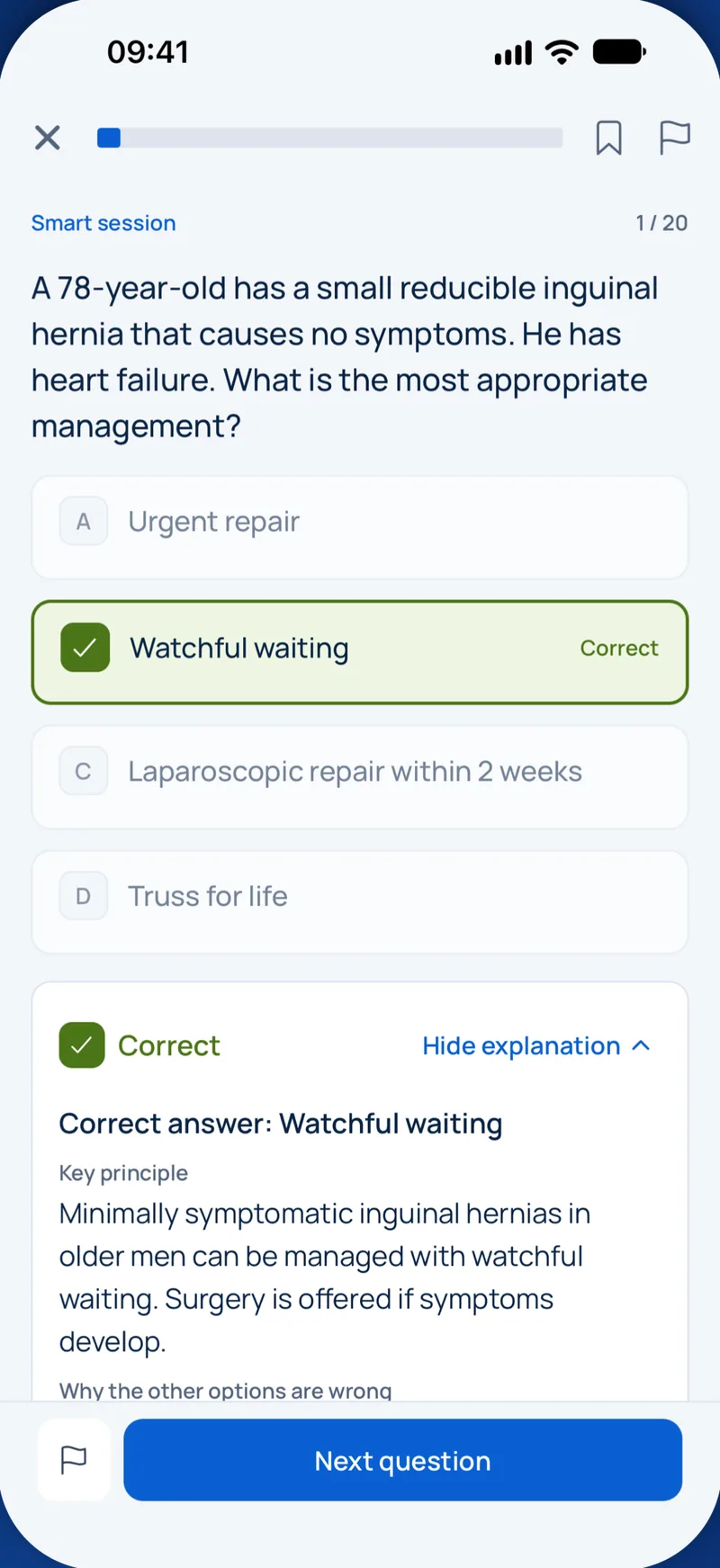
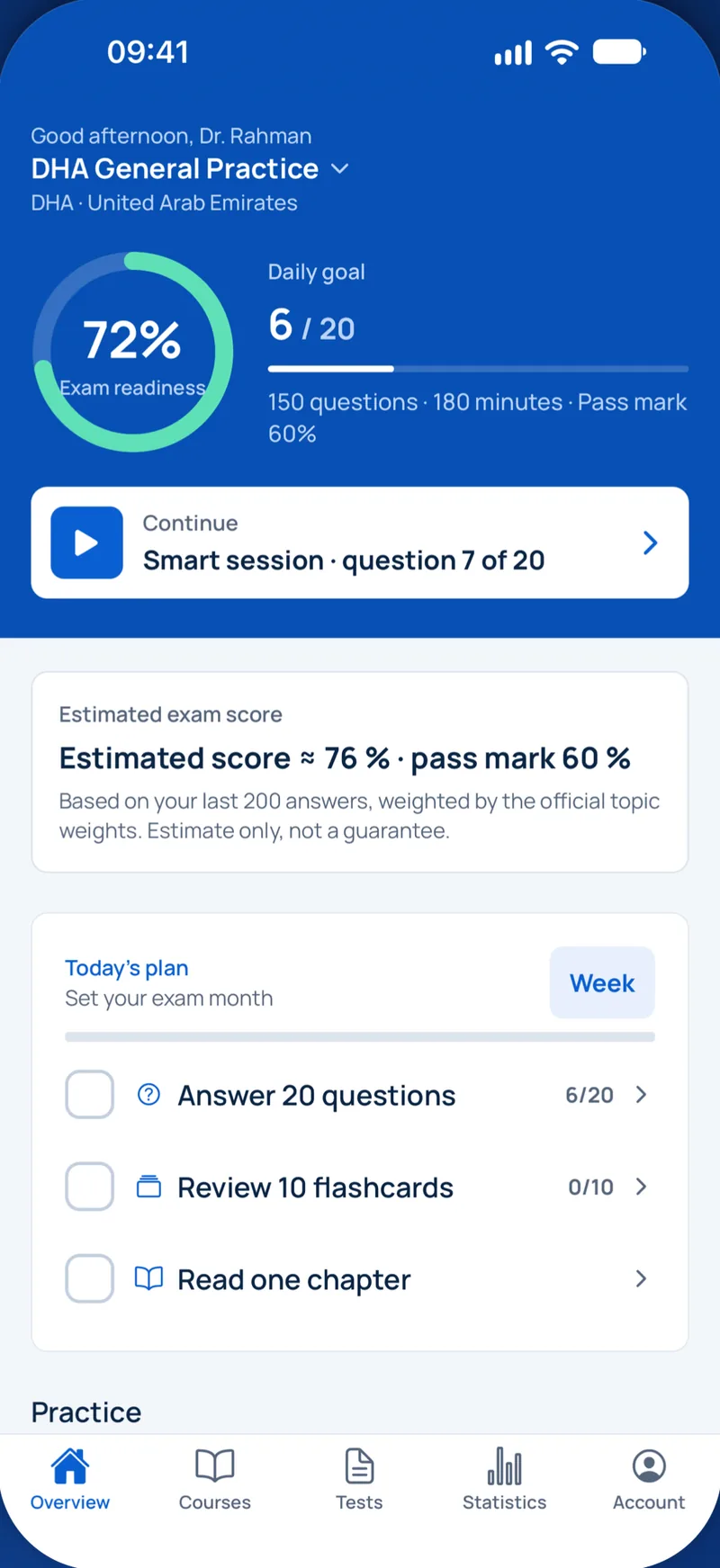
Gastroenterology exams cover upper and lower GI disease, hepatology including cirrhosis and its complications, pancreatobiliary disease, IBD, GI bleeding, nutrition, motility, GI oncology and endoscopic indications and complications. MediFlow Exam Prep provides a gastroenterology question bank with clear explanations, topic filters and mock exams in the exam format, helping you to revise guidelines efficiently and identify weaker areas before the assessment.
Matching exams and courses
Prepare with question banks and timed mock exams in the format of the respective exam.
- DHADHA Specialist GastroenterologyView course
- LandesärztekammerSpecialist board exam: Internal Medicine and GastroenterologyView course
- DOHDOH Specialist/Consultant physician CBT (Anesthesia, Dermatology, Internal Medicine, Family Medicine, Pediatrics, ENT, General Surgery, OB/GYN; consultant also Ophthalmology)View course
- SCFHSSCFHS Physician specialty classification exams (Internal Medicine, Family Medicine, Pediatrics, OB/GYN, General Surgery, Anesthesia, Emergency, Psychiatry and others)View course
- DHPQatar specialist physician qualifying exams (34 specialties)View course
Frequently asked questions
Can I work as a Consultant gastroenterologist in Dubai with a German Facharzt?
Yes, it is possible, but the Facharzt für Innere Medizin und Gastroenterologie generally leads to Specialist grading first. Consultant grading usually requires further years of independent practice after the Facharzt, for example as Oberarzt, or a higher qualification. DHA assesses both together. MediFlow reviews your documents and tells you which grading is realistic in your case.
Do I need an endoscopy logbook?
It is not always a formal licensing requirement, but it is strongly recommended. Hospitals use your documented procedure numbers and competences to decide which endoscopic procedures you may perform independently. A signed summary covering gastroscopy, colonoscopy, polypectomy and any advanced procedures such as ERCP or EUS makes the privileging process much smoother.
Can I practise hepatology as a gastroenterologist in the UAE?
Hepatology is part of gastroenterology training in most systems, so gastroenterologists routinely manage liver disease. Some hospitals run dedicated hepatology or transplant services that look for additional fellowship training or experience. Your clinical privileges, set by the hospital, will reflect what your training and experience documents demonstrate.
What topics come up in the gastroenterology specialist exam?
Expect questions on reflux and oesophageal disorders, peptic ulcer and Helicobacter pylori, IBD, coeliac disease, GI bleeding, cirrhosis and portal hypertension, viral and autoimmune hepatitis, fatty liver disease, pancreatitis, biliary disease, GI cancers and screening, nutrition and the indications and risks of endoscopic procedures. Most questions are case-based.
How long does it take to get licensed as a gastroenterologist?
There is no fixed duration. The timeline depends on how fast your documents are verified, whether an exam or interview is required and how quickly an employer completes the hiring steps. Complete, consistent documents reduce delays considerably. MediFlow helps you prepare the application and explains each step in a callback consultation.