Internal medicine
Internal Medicine
Internal medicine is the backbone of hospital care in the Gulf, from acute medical admissions to outpatient clinics for complex chronic disease. This page explains how internists are licensed in the region and how to prepare for the relevant exams.

The scope of internal medicine
Internists manage adults with diseases that affect one or several organ systems, often at the same time. A typical medical ward combines patients with decompensated heart failure, pneumonia, acute kidney injury, diabetic ketoacidosis and unexplained fever. The internist coordinates diagnostics, weighs competing risks and decides when a subspecialist is needed.
Patient groups in the Gulf reflect the region's health profile:
- Metabolic disease: very common type 2 diabetes and its complications, obesity and fatty liver disease
- Cardiovascular and renal disease: hypertension, ischaemic heart disease and chronic kidney disease, often in younger patients than in Europe
- Infectious disease: respiratory infections, tuberculosis in some populations, and travel-related infections
- Haemoglobinopathies: sickle cell disease and thalassaemia in parts of the region
Internists work on general medical wards, in acute medical units, in outpatient clinics and as hospitalists. Internal medicine is also the basis for subspecialties such as cardiology, gastroenterology, nephrology, endocrinology, pulmonology, rheumatology, infectious diseases and haematology.
Training pathways worldwide
Internal medicine training exists in almost every health system, but the structure and endpoint vary:
- Germany: the Facharzt für Innere Medizin, with inpatient, outpatient and intensive care components, or a combined route towards a Schwerpunkt such as cardiology or gastroenterology
- United Kingdom: Internal Medicine Training with MRCP(UK), followed by higher specialty training and a CCT, often combined with a subspecialty
- United States: internal medicine residency followed by the ABIM examination; many internists then complete a fellowship
- Arab and Saudi Boards: residency programmes in internal medicine that are well established in the region
- India and Pakistan: MD or DNB in General Medicine, or FCPS in Medicine
Training usually spans several years and includes rotations through the main medical subspecialties. For Gulf licensing, what counts is the completed postgraduate qualification and the clinical experience gained afterwards.
Recognition as Specialist or Consultant
DHA, DOH and MOHAP distinguish between Specialist and Consultant in internal medicine. Your classification depends on the type of postgraduate qualification and on the amount of experience you have gained since completing it. A Consultant licence generally requires a higher-level qualification and considerably longer post-specialist experience, often including senior or leadership roles.
The assessment usually involves:
- Primary Source Verification of your medical degree, specialist certificate, registrations and employment history, typically through DataFlow
- Equivalence review: the authority maps your qualification, whether a German Facharzt, MRCP with CCT, ABIM status or an Arab Board, against its own framework
- Exam, interview or exemption: some applicants sit the specialist exam, others attend an interview, and certain qualifications may lead to an exemption
Saudi Arabia, Qatar, Oman, Bahrain and Kuwait use comparable categories with their own criteria. Rules evolve over time, so MediFlow reviews each file individually before submission.
Career outlook
Internal medicine is in steady demand across the Gulf. Populations are growing and ageing, and chronic diseases such as diabetes, hypertension and kidney disease are widespread. Hospitals need internists both for acute admissions and for long-term outpatient care.
Opportunities exist in government hospitals, large private hospital groups, specialised centres and outpatient clinics. Some internists work as hospitalists, while others combine general medicine with a special interest such as diabetes, infectious diseases or geriatrics. Medical tourism has also increased demand for internists who can coordinate complex multidisciplinary care.
Internal medicine is an excellent base for further specialisation. Many doctors use their time in the Gulf to gain broad experience before or during subspecialty training, and the qualification remains highly transferable internationally.
Exams and preparation
Relevant assessments include:
- DHA specialist exam in internal medicine for applicants who are not exempt
- DOH and MOHAP assessments, with exams or interviews depending on qualification
- SCFHS classification and specialty exams in Saudi Arabia
- International: MRCP(UK) Part 1, Part 2 and PACES, ABIM, Arab Board or Saudi Board in internal medicine, and the German Facharztprüfung
Internal medicine exams are demanding because of their breadth. Expect questions on cardiology, endocrinology, nephrology, gastroenterology and hepatology, respiratory medicine, infectious diseases, haematology, rheumatology and neurology, as well as acid-base disorders, electrolytes and interpretation of ECGs and laboratory results.
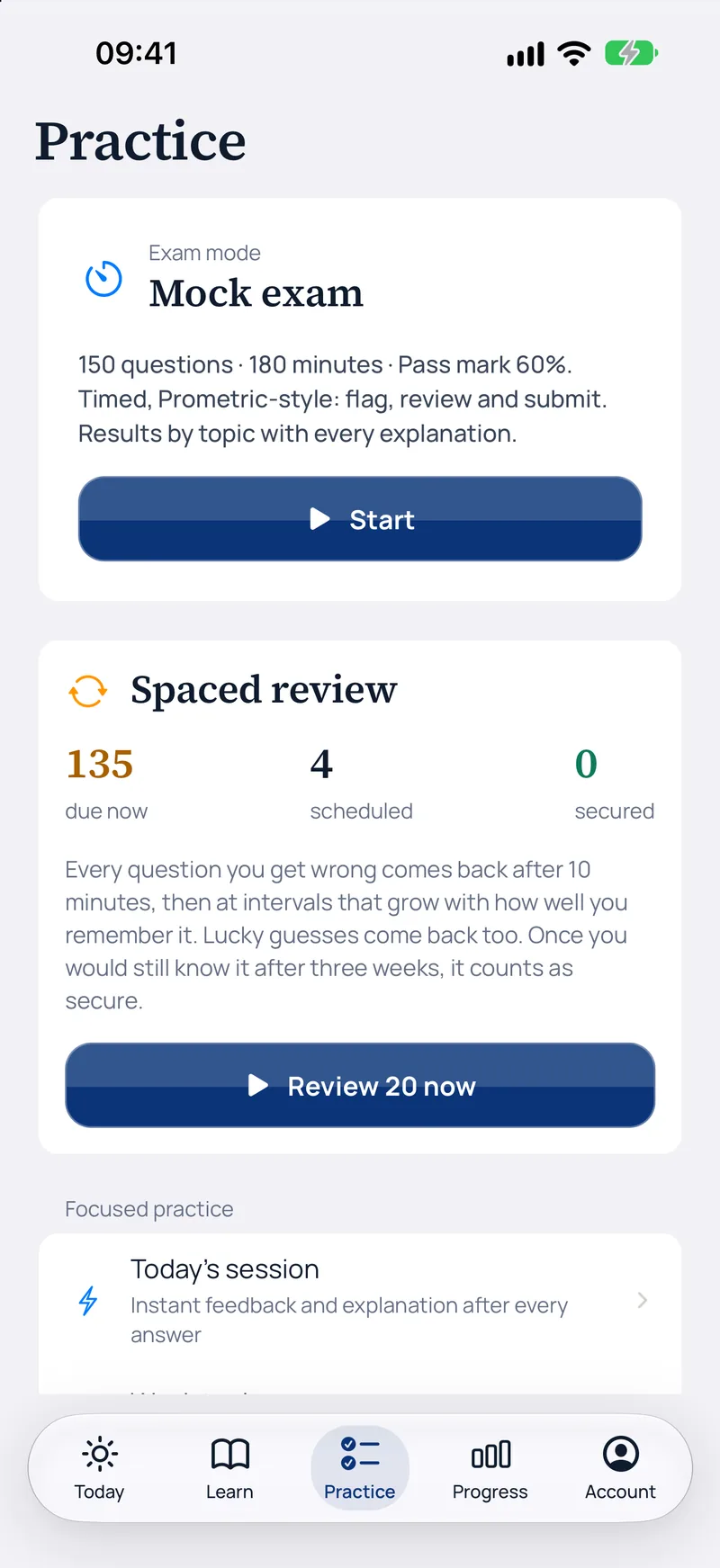
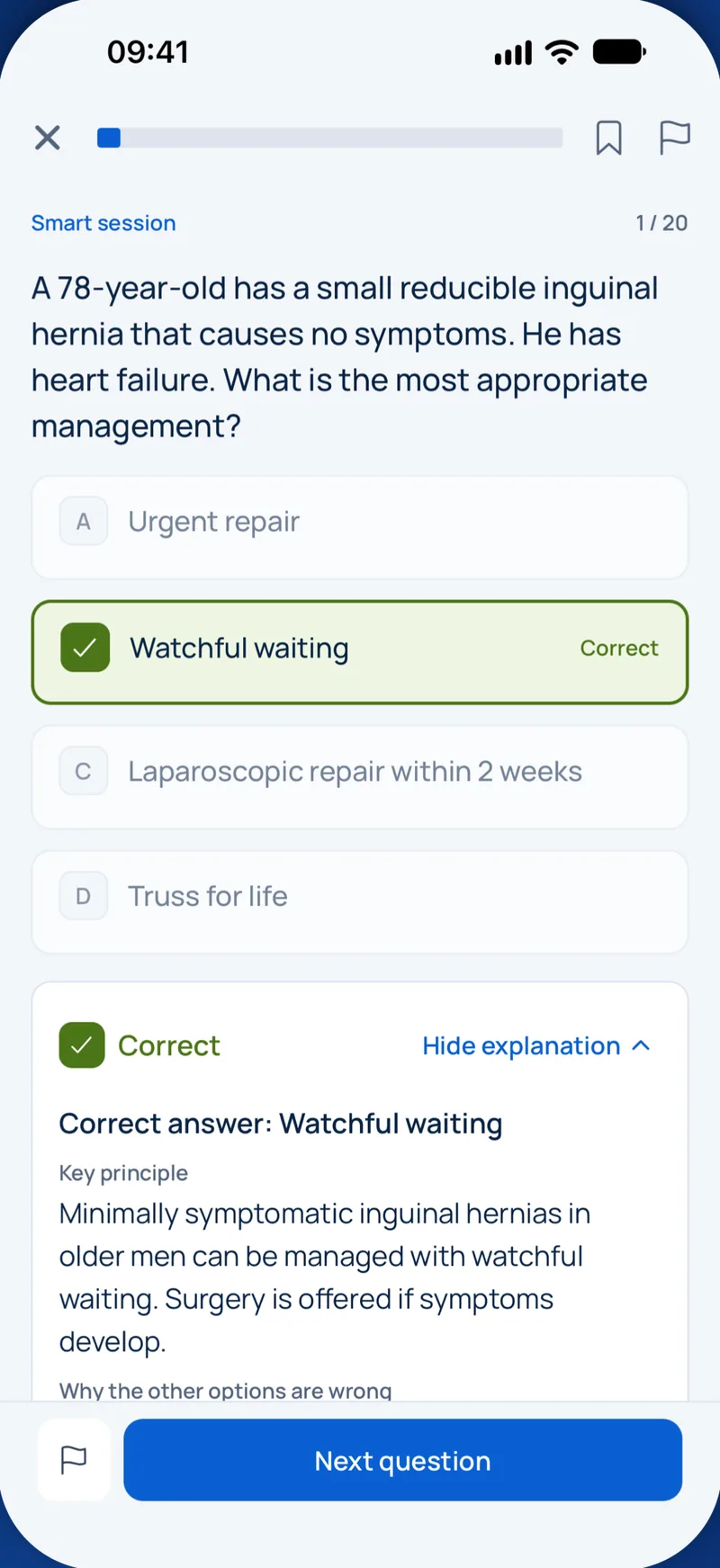
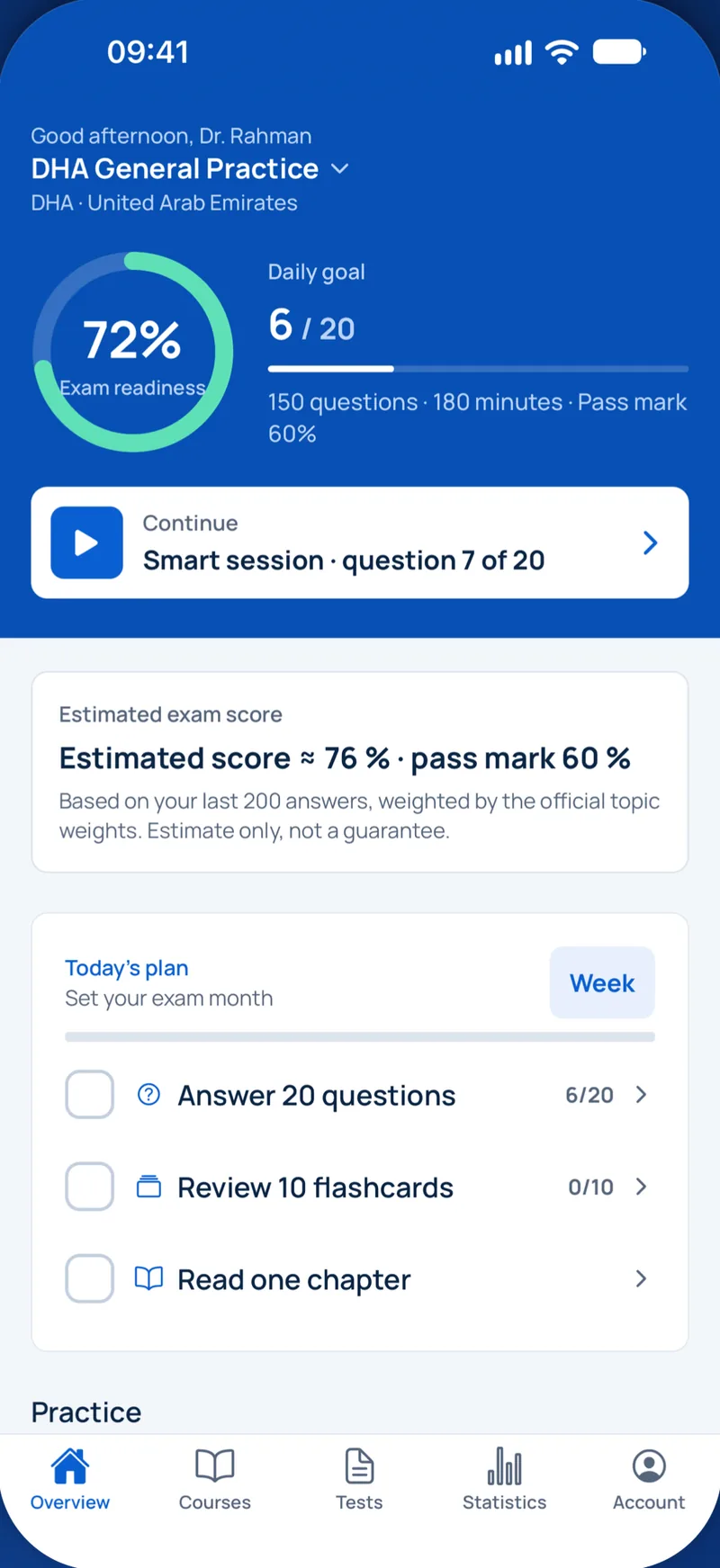
MediFlow Exam Prep offers an internal medicine question bank, detailed explanations grounded in current guidelines and timed mock exams in exam format, so you can identify gaps and practise under realistic conditions.
Matching exams and courses
Prepare with question banks and timed mock exams in the format of the respective exam.
- DHADHA Specialist Internal MedicineView course
- DHADHA Consultant Internal MedicineView course
- DOHDOH Specialist/Consultant physician CBT (Anesthesia, Dermatology, Internal Medicine, Family Medicine, Pediatrics, ENT, General Surgery, OB/GYN; consultant also Ophthalmology)View course
- SCFHSSCFHS Physician specialty classification exams (Internal Medicine, Family Medicine, Pediatrics, OB/GYN, General Surgery, Anesthesia, Emergency, Psychiatry and others)View course
- DHPQatar specialist physician qualifying exams (34 specialties)View course
Frequently asked questions
Can I work as a Consultant in Dubai with a German Facharzt für Innere Medizin?
It can be possible. The German Facharzt is generally assessed as a specialist qualification. Consultant status usually depends on substantial post-specialist experience, for example several years as Oberarzt, and sometimes on additional qualifications. The authority decides based on your full profile. We review your certificates and positions to estimate a realistic classification before you apply.
Does MRCP alone qualify me as an internal medicine specialist?
MRCP(UK) is a membership exam taken during training, not a completed specialist training on its own. Gulf authorities usually assess it together with your overall training pathway. Combined with a completed training programme or a CCT, it is typically viewed favourably. Without completed training, classification depends on the authority's rules and your experience. We clarify this for your case.
I am a Facharzt für Innere Medizin with a cardiology focus. Which licence should I apply for?
That depends on your qualifications. If you hold the Schwerpunkt Kardiologie, you may be eligible for a cardiology licence, otherwise internal medicine is the usual route. Some doctors initially apply in internal medicine and later add a subspecialty. We compare both options with your documents and the authority's current criteria.
What topics come up most in the internal medicine specialist exam?
Cardiology, endocrinology with a strong focus on diabetes, nephrology, infectious diseases and respiratory medicine are prominent. You should also be confident with electrolytes, acid-base problems, ECG interpretation and pharmacology, including drug interactions. MediFlow Exam Prep covers these areas with explanations based on current guidelines and mock exams in exam format.
Can I combine hospital work with outpatient clinics?
Yes, many internists in the Gulf work across both settings. Your licence defines your specialty and title, while the employer determines how your work is divided between wards, clinics and on-call duties. Privileges for specific procedures are granted by the facility. We help you understand which licence fits the role you are aiming for.