Internal medicine
Nephrology
Chronic kidney disease, often driven by diabetes and hypertension, makes nephrology a core specialty across the Gulf. Here you find out how nephrologists trained abroad are assessed, graded and prepared for licensing exams.

What nephrologists do
Nephrologists diagnose and treat diseases of the kidneys and manage disturbances of fluid, electrolyte and acid-base balance. Their patients range from people with early chronic kidney disease to those on long-term dialysis or living with a kidney transplant.
Core areas of practice include:
- Chronic kidney disease, especially diabetic and hypertensive nephropathy, with a focus on slowing progression
- Acute kidney injury in hospitalised and critically ill patients, including decisions on renal replacement therapy
- Dialysis in all forms: in-centre haemodialysis, home haemodialysis and peritoneal dialysis, plus vascular access planning
- Kidney transplantation, from recipient work-up to long-term immunosuppression
- Glomerular diseases such as IgA nephropathy, lupus nephritis and nephrotic syndrome, often requiring kidney biopsy
- Kidney stones and hereditary conditions, which are relatively common in the region given the hot climate and family structures
Subspecialty interests include transplant nephrology, interventional nephrology, onconephrology and paediatric nephrology. Nephrologists work in hospital wards, outpatient clinics and dialysis units, often consult in intensive care, and collaborate with transplant surgeons, urologists, cardiologists and endocrinologists.
Training routes worldwide
Nephrology is an internal medicine specialty almost everywhere. After a broad medical foundation, trainees gain dedicated experience in dialysis, transplantation and renal pathology.
- Germany: Facharzt for internal medicine and nephrology, a multi-year Weiterbildung covering general internal medicine and dialysis, with an examination at the Ärztekammer.
- United Kingdom: internal medicine training with MRCP, followed by higher specialty training in renal medicine leading to a CCT, often with general internal medicine.
- United States: internal medicine residency, then a nephrology fellowship and the ABIM nephrology board.
- Arab and Saudi Boards: internal medicine board followed by a nephrology fellowship within the respective programme.
- India: MD in general medicine followed by DM or DNB in nephrology.
Paediatric nephrology usually follows paediatric training. Gulf authorities compare the complete pathway, including whether dialysis and transplant exposure were part of the programme.
Recognition of your specialist title in the Gulf
In the UAE and neighbouring countries, physicians are graded as Specialist or Consultant. The grade depends on your qualification and the clinical experience you gained after completing specialist training. A Consultant role in nephrology generally requires a higher-level qualification and several years of independent practice, for example leading a dialysis unit or a transplant clinic. Recently qualified nephrologists usually start at Specialist level.
The licensing process typically involves:
- Primary source verification of your degree, specialist title, licences and work history, normally through DataFlow
- An equivalence assessment comparing your training with the authority's requirements
- An assessment step, such as a specialist exam, an interview or an exemption, depending on your qualification and the authority
DHA, DOH and MOHAP each have their own criteria, and requirements are updated over time. MediFlow assesses your situation individually, for instance whether your experience logs for dialysis and transplantation support a Consultant application.
Demand and career prospects
Diabetes and high blood pressure are widespread in the Gulf, and both are leading causes of chronic kidney disease. Together with an ageing expatriate and national population, this creates steady demand for nephrology care, from early prevention clinics to dialysis capacity.
Nephrologists work in government hospitals, private hospital groups and dedicated dialysis providers. Transplant programmes in the region are developing, which opens opportunities for nephrologists with transplant experience. Home dialysis and peritoneal dialysis are gaining attention as alternatives to in-centre treatment.
The combination of complex metabolic patients, a multinational workforce and modern infrastructure makes Gulf experience valuable for later positions worldwide.
Relevant exams and how MediFlow Exam Prep helps
Depending on your qualification, these assessments may be relevant:
- DHA specialist examination in nephrology or internal medicine, unless you qualify for an exemption
- DOH and MOHAP assessment, which can include an exam or interview
- SCFHS classification in Saudi Arabia, in some cases with an assessment exam
- International exams such as MRCP and the Specialty exam (SCE) in Nephrology, the ABIM nephrology board or the German Facharztprüfung
Typical exam topics include electrolyte and acid-base disorders, staging and management of chronic kidney disease, dialysis adequacy and complications, glomerulonephritis, transplant immunosuppression and rejection, renal drug dosing and hypertension.
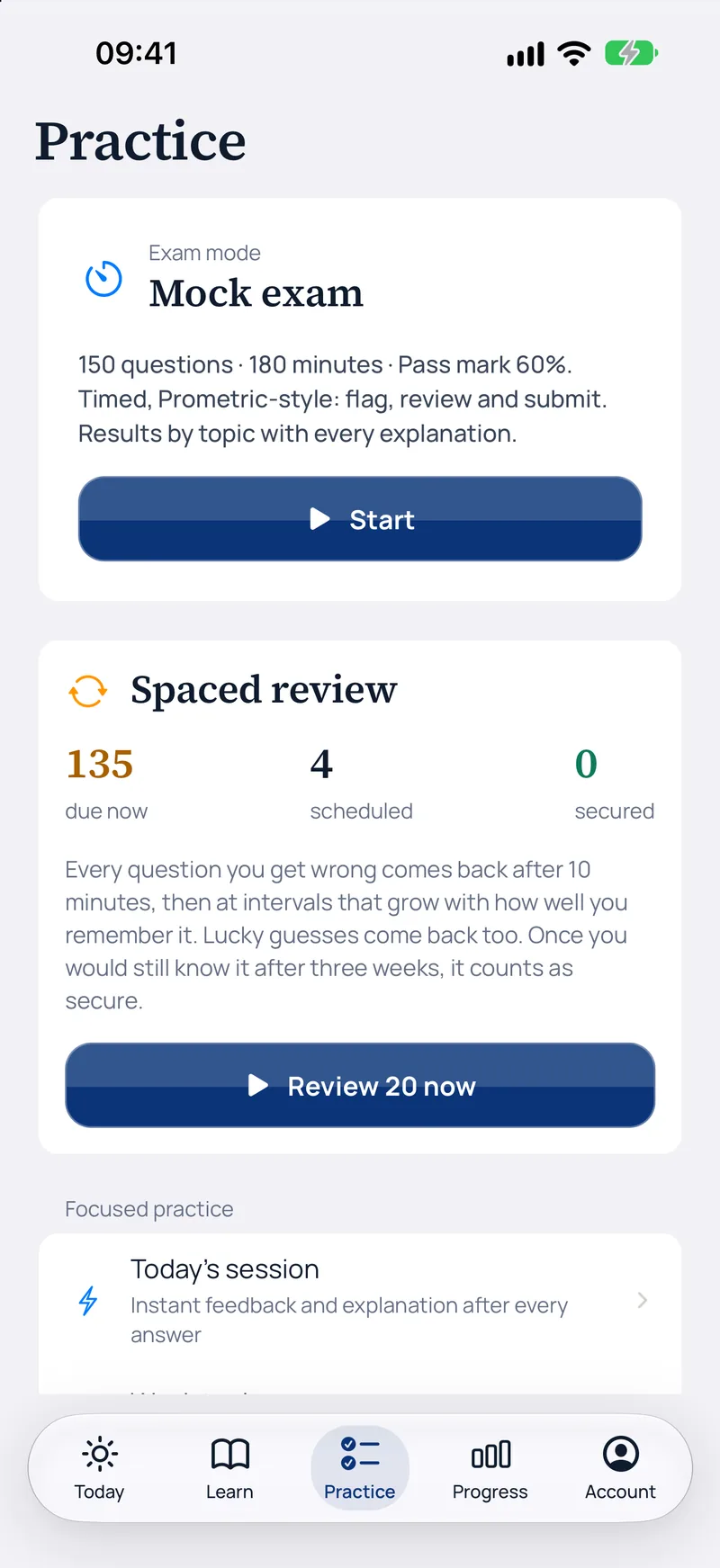
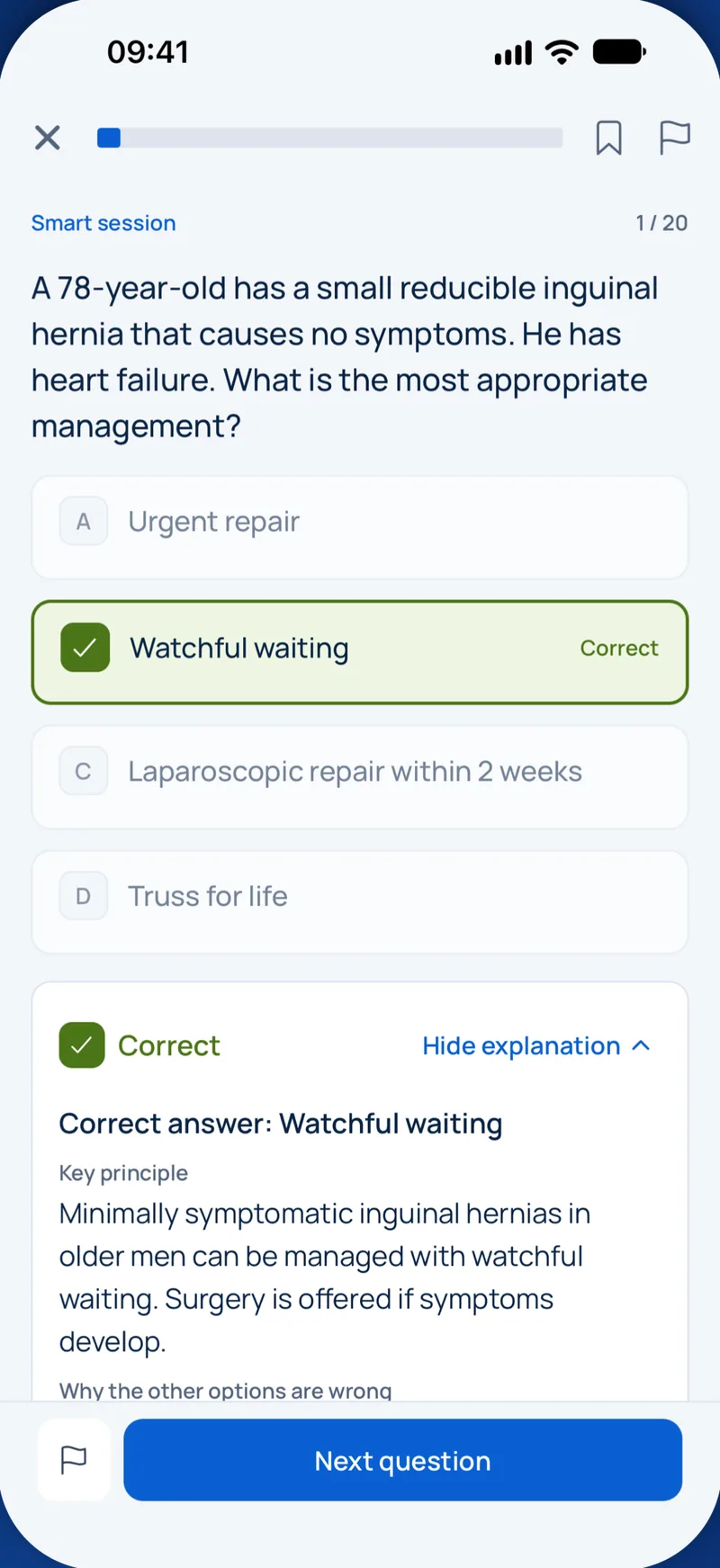
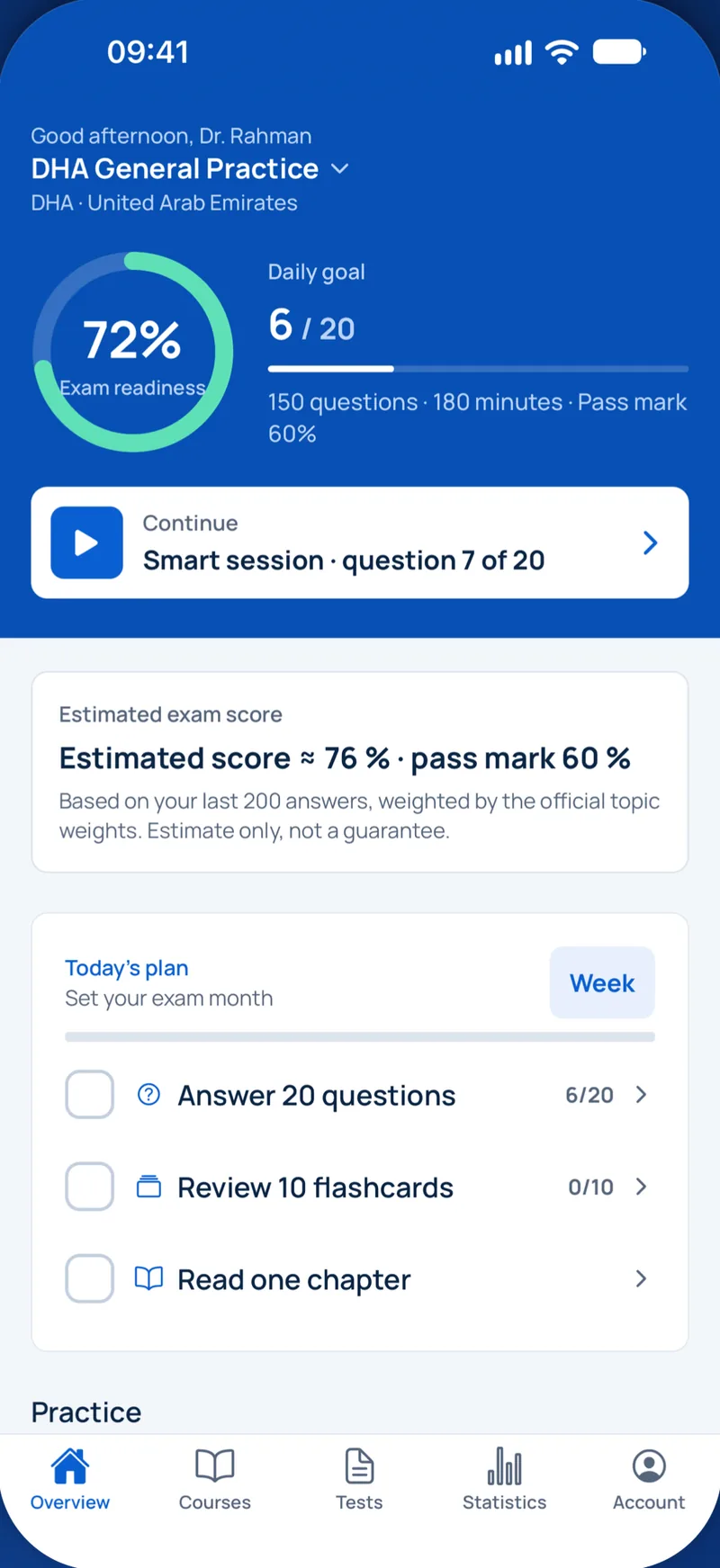
MediFlow Exam Prep offers a question bank with clear explanations, topic filters and mock exams that mirror the format of Gulf licensing exams, helping you focus on weak areas and practise under time pressure.
Matching exams and courses
Prepare with question banks and timed mock exams in the format of the respective exam.
- DHADHA Specialist NephrologyView course
- DOHDOH Specialist/Consultant physician CBT (Anesthesia, Dermatology, Internal Medicine, Family Medicine, Pediatrics, ENT, General Surgery, OB/GYN; consultant also Ophthalmology)View course
- SCFHSSCFHS Physician specialty classification exams (Internal Medicine, Family Medicine, Pediatrics, OB/GYN, General Surgery, Anesthesia, Emergency, Psychiatry and others)View course
- DHPQatar specialist physician qualifying exams (34 specialties)View course
Frequently asked questions
Can I be licensed as a Consultant nephrologist with a German Facharzt?
Yes, if your qualification and post-specialist experience meet the authority's criteria. A German Facharzt in internal medicine and nephrology is usually assessed together with your years of independent work, for example as an Oberarzt in a dialysis or transplant setting. With less experience, a Specialist grade is the common starting point. MediFlow reviews your file before you apply.
Do I need dialysis experience to work as a nephrologist in the UAE?
Dialysis is a central part of nephrology in the Gulf, so authorities and employers expect solid experience in haemodialysis and ideally peritoneal dialysis. Documenting this in your logbook and employment references helps your equivalence assessment and later job applications. MediFlow can help you plan your preparation around these points.
Which subjects are emphasised in the nephrology licensing exam?
Electrolytes, acid-base balance and chronic kidney disease form the core. Expect questions on dialysis complications, glomerular diseases, acute kidney injury, transplant medicine and renal pharmacology. Many questions are case vignettes with laboratory results, so interpretation skills matter as much as factual knowledge.
Is transplant experience required for a Consultant grade?
Not necessarily. The Consultant grade is based mainly on qualification and years of independent practice. Transplant experience is an advantage, especially for positions in hospitals with a transplant programme, but general nephrologists with strong dialysis and clinical experience can also be graded as Consultant.
Can paediatric nephrologists use the same licensing route?
Paediatric nephrologists are usually licensed within paediatrics with a nephrology subspecialty. The authority therefore assesses your paediatric training and your nephrology component separately from adult nephrology. MediFlow helps you choose the right category from the outset to avoid delays. MediFlow can help you plan your preparation around these points.