Internal medicine
Pulmonology
Asthma, sleep apnoea and occupational lung disease keep pulmonologists in the Gulf in high demand. Learn how chest physicians trained abroad are graded, licensed and prepared for their exams.

What pulmonologists do
Pulmonologists, also called respiratory or chest physicians, care for patients with diseases of the lungs, airways, pleura and pulmonary circulation. The work combines outpatient clinics, inpatient care, procedures and close cooperation with intensive care.
Common clinical areas include:
- Asthma and allergic airway disease, made more relevant by dust storms, humidity and indoor air conditioning
- COPD, linked not only to cigarettes but also to shisha smoking, which is common in the region
- Obstructive sleep apnoea, closely associated with obesity, with sleep studies and CPAP management
- Interstitial lung disease and sarcoidosis, often diagnosed in multidisciplinary meetings
- Tuberculosis and pulmonary infections, including screening in a highly mobile population
- Lung cancer work-up, pulmonary hypertension and pulmonary embolism
Procedures include spirometry and full lung function testing, flexible bronchoscopy, endobronchial ultrasound, thoracic ultrasound and pleural interventions. Subspecialty interests include interventional pulmonology, sleep medicine, pulmonary hypertension and lung transplantation. Many pulmonologists also cover intensive care or non-invasive ventilation units.
Training routes worldwide
Respiratory medicine typically follows a foundation in internal medicine, though some countries combine the two from the start.
- Germany: Facharzt for internal medicine and pneumology, a multi-year Weiterbildung that includes bronchoscopy, lung function testing and ventilation, with an exam at the Ärztekammer.
- United Kingdom: internal medicine training with MRCP, then higher specialty training in respiratory medicine leading to a CCT, usually alongside general internal medicine.
- United States: internal medicine residency followed by a combined pulmonary and critical care fellowship, with separate ABIM boards.
- Arab and Saudi Boards: internal medicine board, then a pulmonary or respiratory fellowship.
- India: MD in respiratory medicine (formerly TB and chest diseases) or MD in medicine followed by DM pulmonology.
Because several countries combine pulmonary medicine with critical care, Gulf authorities check carefully which specialty your title covers and how your experience is documented.
Recognition of your specialist title in the Gulf
Gulf health authorities grade doctors as Specialist or Consultant, depending on the qualification and the experience gained after specialist training. A Consultant pulmonologist is generally expected to hold a higher-level qualification and to have worked independently for several years, for example running a bronchoscopy service or sleep laboratory. Newly qualified pulmonologists normally begin as Specialist.
The pathway usually consists of:
- Primary source verification of your diplomas, specialist title, licences and employment, typically via DataFlow
- An equivalence assessment of your training against the authority's framework, including whether a combined pulmonary and critical care title can be listed in both specialties
- An assessment step, which may be a specialist exam, an interview or an exemption, depending on your qualification and the authority
DHA, DOH and MOHAP each set their own requirements, and these are revised periodically. MediFlow examines your individual case and explains which specialty and grade best fit your documents.
Demand and career prospects
Respiratory problems are part of everyday medicine in the Gulf. Dust and sand exposure, widespread shisha use, a high prevalence of obesity-related sleep apnoea and a large workforce in construction and industry all contribute to the demand for chest physicians.
Pulmonologists are needed in government hospitals, private hospital groups and specialised sleep and respiratory centres. Experience in sleep medicine, interventional bronchoscopy or critical care broadens your options, as does the ability to support pulmonary rehabilitation and home ventilation programmes.
The diversity of cases and the international patient base make Gulf experience a strong addition to a respiratory career anywhere.
Relevant exams and how MediFlow Exam Prep helps
Depending on your background, you may encounter:
- DHA specialist examination in pulmonology or internal medicine, if no exemption applies
- DOH and MOHAP assessment through an exam or interview
- SCFHS classification in Saudi Arabia, sometimes with an assessment exam
- International exams such as MRCP and the Specialty exam (SCE) in Respiratory Medicine, the ABIM pulmonary disease board, the European HERMES exam or the German Facharztprüfung
Typical content covers spirometry and blood gas interpretation, asthma and COPD guidelines, chest imaging, interstitial lung disease patterns, pleural disease, sleep-disordered breathing, tuberculosis management and ventilation basics.
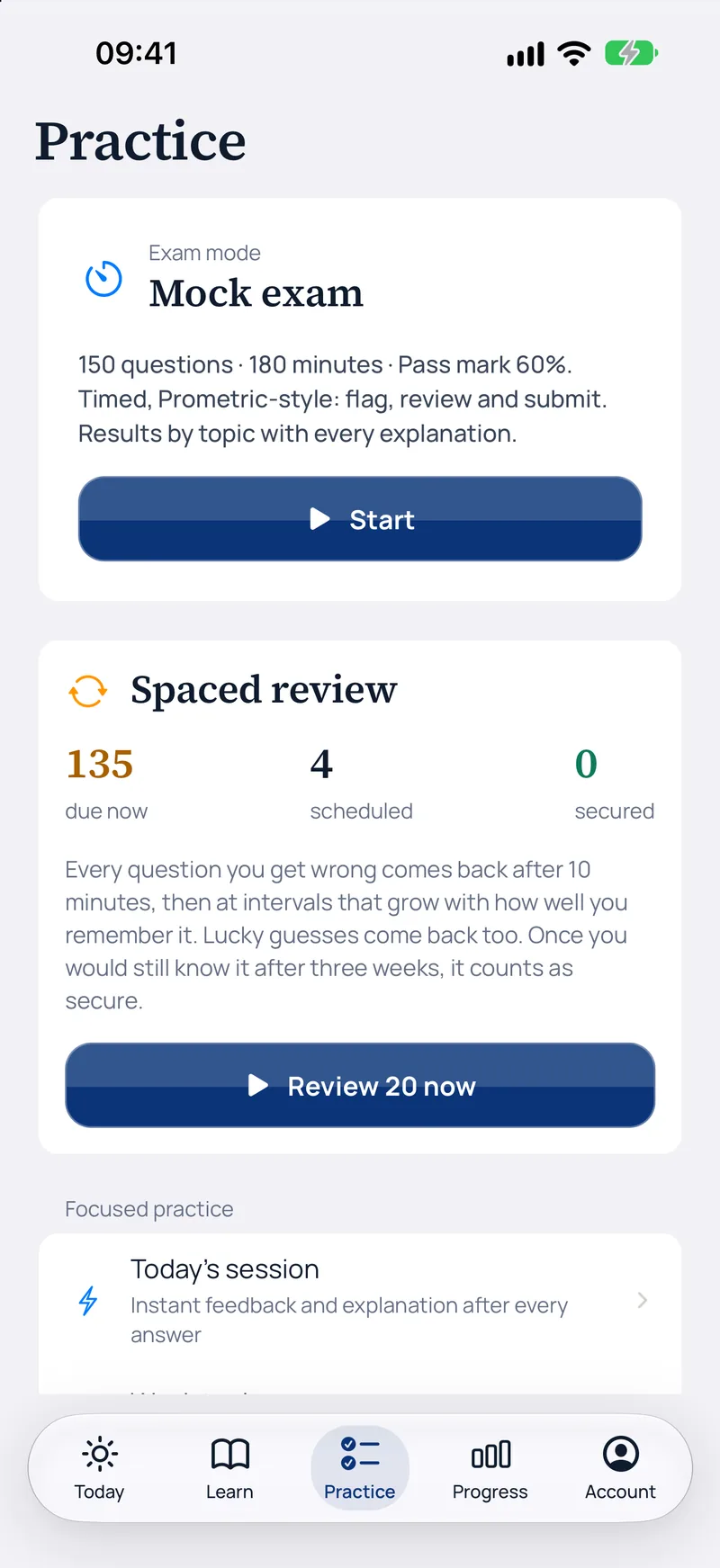
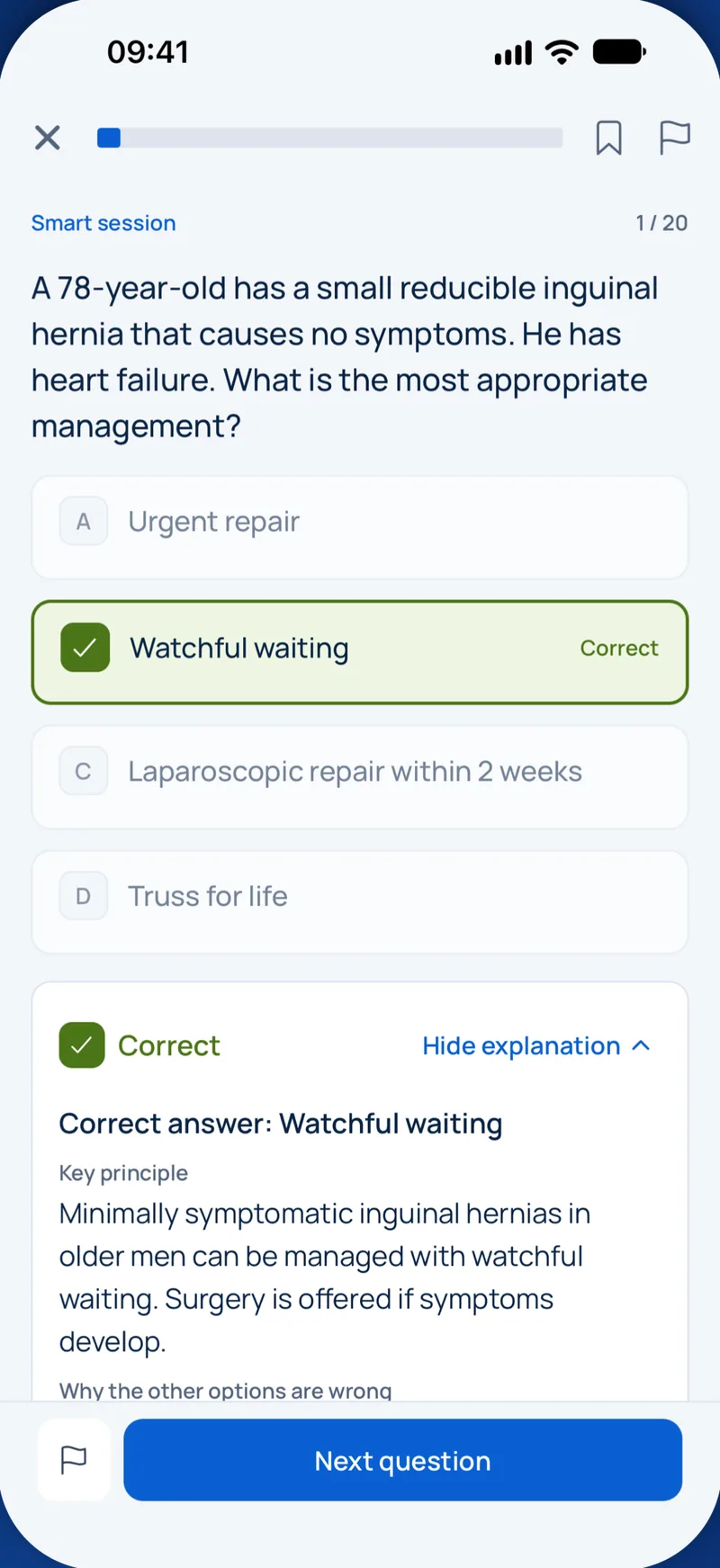
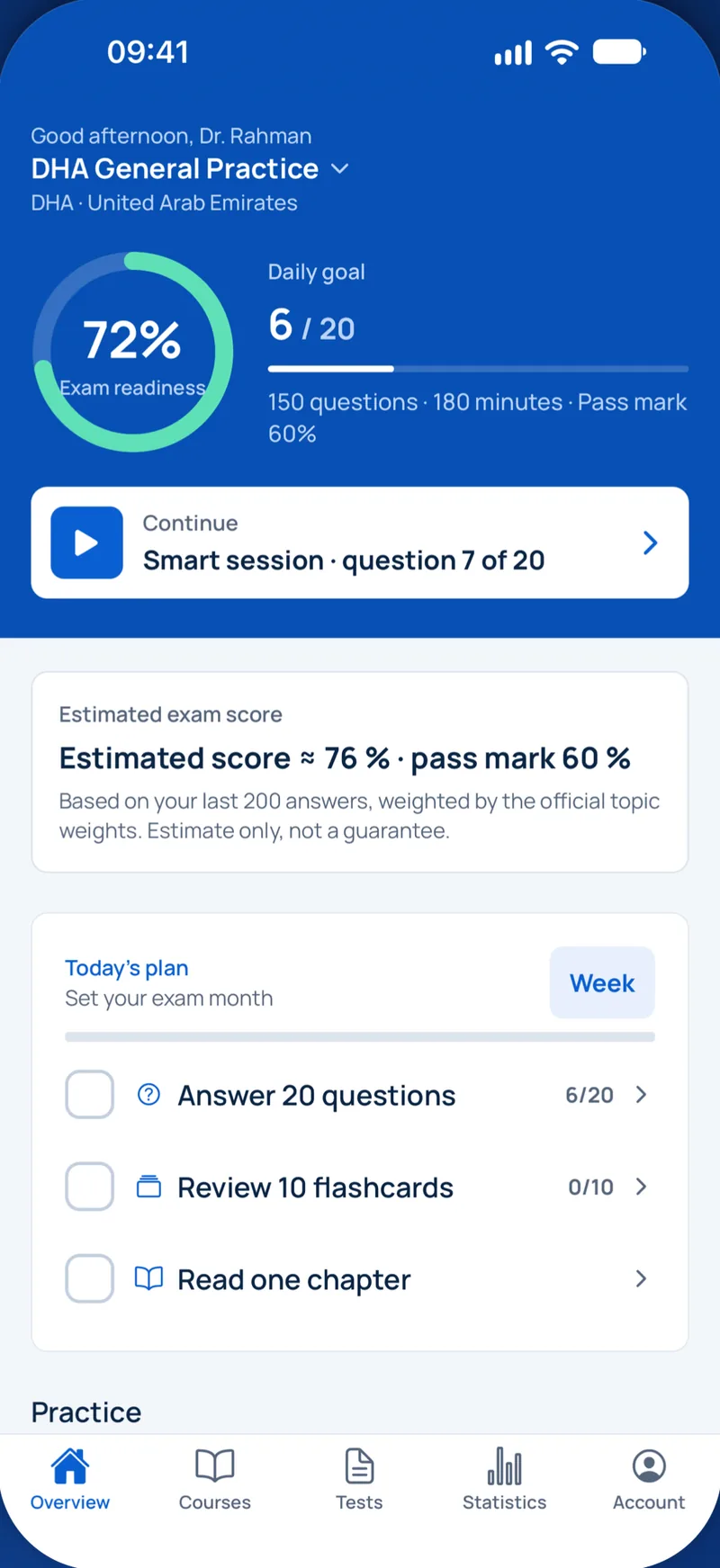
MediFlow Exam Prep gives you a question bank with detailed explanations, practice by topic and mock exams in the style of Gulf licensing exams, so you can close gaps systematically and get used to the time pressure.
Matching exams and courses
Prepare with question banks and timed mock exams in the format of the respective exam.
- DHADHA Specialist Pulmonary DiseaseView course
- DOHDOH Specialist/Consultant physician CBT (Anesthesia, Dermatology, Internal Medicine, Family Medicine, Pediatrics, ENT, General Surgery, OB/GYN; consultant also Ophthalmology)View course
- SCFHSSCFHS Physician specialty classification exams (Internal Medicine, Family Medicine, Pediatrics, OB/GYN, General Surgery, Anesthesia, Emergency, Psychiatry and others)View course
- DHPQatar specialist physician qualifying exams (34 specialties)View course
Frequently asked questions
Can I work as a Consultant pulmonologist in Dubai with a German Facharzt?
That is possible if your post-specialist experience meets the authority's expectations. A German Facharzt for internal medicine and pneumology is assessed together with your years of independent work, for example as an Oberarzt responsible for bronchoscopy or ventilation. With limited experience after the Facharzt, a Specialist grade is more realistic at first. MediFlow evaluates your file in advance.
I hold a US pulmonary and critical care fellowship. Can I be licensed in both?
Many authorities can consider both specialties if your boards and experience support it, but they assess each one separately. You may be graded differently in pulmonology and in critical care. MediFlow helps you decide which specialty to apply for first and which documents demonstrate experience in each.
Which topics dominate the pulmonology licensing exam?
Airway diseases such as asthma and COPD, lung function and blood gas interpretation are central. Expect case-based questions on interstitial lung disease, pleural effusion, pulmonary embolism, tuberculosis, sleep apnoea and lung cancer staging. Chest X-ray and CT image questions also appear regularly.
Is sleep medicine experience useful in the Gulf?
Yes. Obstructive sleep apnoea is common due to the high prevalence of obesity, and many hospitals run sleep laboratories. Documented experience in polysomnography and CPAP titration strengthens your profile, although it is not a requirement for licensing as a pulmonologist.
Do I need to have performed bronchoscopies to be licensed?
Licensing focuses on your specialist title and experience rather than a specific procedure count. However, employers usually expect independent flexible bronchoscopy skills, and some positions ask for EBUS experience. A clear procedure logbook supports both your application and later privileging at the hospital.